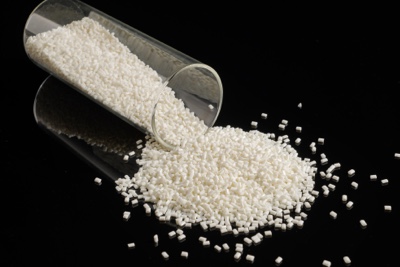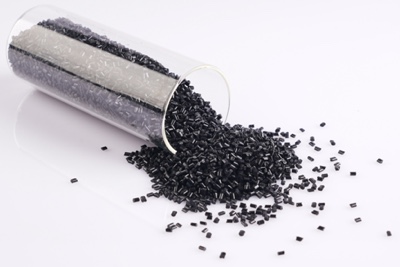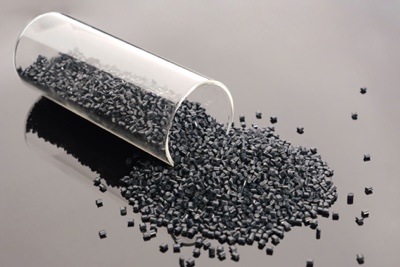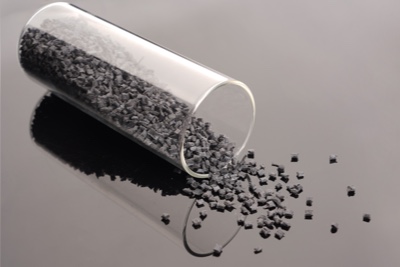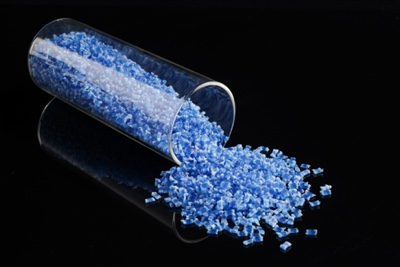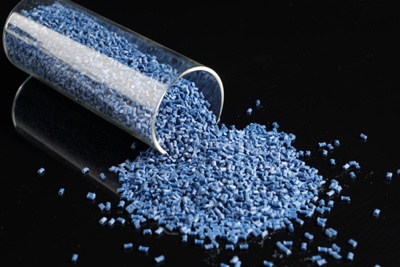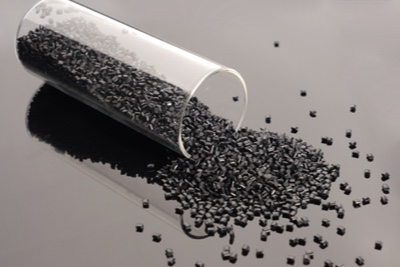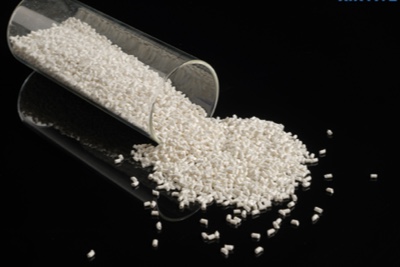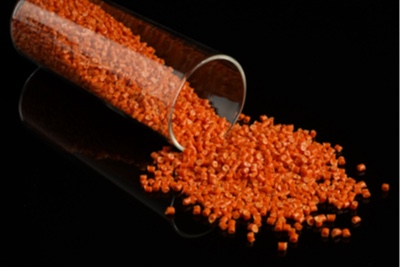
GF Reinforced PPS granules combine PPS resin performance with glass fiber reinforcement. This improves stiffness, mechanical strength, creep resistance, and dimensional control. The material is often considered for parts exposed to heat, chemical media, repeated load, or tight tolerance requirements.
XINYITE focuses on the R&D, production, and sales of functional polymer materials and high-performance modified engineering plastic resins. For buyers evaluating PPS GF40, PPS-GF40, or related reinforced PPS grades, our team can match materials to application conditions, molding needs, performance targets, and project cost considerations.
Glass Fiber Reinforced PPS is a modified PPS resin formulated with glass fiber. It improves performance compared with unfilled PPS. Polyphenylene sulfide is valued as a high-performance engineering plastic because it offers heat resistance, chemical resistance, dimensional stability, and suitability for demanding technical parts.
PPS GF40 usually refers to PPS with approximately 40% glass fiber reinforcement. Grade selection should not rely only on glass fiber percentage. Buyers should also review strength, thermal exposure, flame-retardant targets, processing flow, tolerance, color, and the real operating environment.
PPS-GF40 is a common high-stiffness reinforced PPS grade. It is used when buyers need strength, heat resistance, and dimensional stability in one material direction. It is often considered for precision molded parts, housings, connectors, supports, and structural components where deformation control matters.
When selecting PPS GF40 granules, buyers should evaluate part geometry, gate design, processing conditions, weld line position, and expected load. These factors can affect final molded part performance, even when the base grade is suitable.
As a modified engineering plastics manufacturer, XINYITE supports customization discussions for projects that need more than a standard material name. Possible directions include glass fiber loading, flame-retardant targets, color, processing performance, toughness balance, and application-specific property optimization.
Custom development should begin with a clear understanding of the part’s working conditions. We recommend sharing drawings, molding method, operating temperature, chemical contact, flame-retardant requirements, and mechanical performance expectations.
GF Reinforced PPS material is selected when conventional engineering plastics may not provide enough thermal stability, strength, chemical resistance, or dimensional precision. Glass fiber reinforcement improves rigidity and load-bearing performance. The PPS base resin contributes heat and chemical resistance for demanding environments.
Our material development is aligned with strength, safety, durability, and consistent performance across high-performance engineering plastics. For buyers, the value of reinforced PPS lies in supporting long-lasting molded components where warpage, failure, or performance loss can create costly problems.
Glass fiber reinforcement can improve tensile strength, rigidity, and resistance to deformation. This is useful for structural components, precision supports, housings, brackets, and other molded parts that must maintain integrity under load.
For PPS GF40 material, reinforcement level is especially important when a component needs high stiffness without switching to metal. Final performance should still be verified according to design, molding process, and application load.
Heat resistant PPS material is often used for components exposed to elevated operating temperatures or thermal cycling. Depending on grade, design, and molding conditions, reinforced PPS can help reduce deformation compared with many standard engineering plastics.
This dimensionally stable resin is valuable for precision assemblies, electrical parts, automotive components, and machinery parts. Buyers should confirm temperature exposure, peak temperature, continuous operating conditions, and part thickness during grade selection.
Chemical resistant PPS is commonly considered for applications involving oils, fuels, solvents, cleaning agents, or aggressive industrial environments. The PPS matrix supports chemical resistance, while glass fiber reinforcement helps maintain mechanical performance under demanding service conditions.
Actual compatibility should be confirmed by chemical type, concentration, temperature, contact time, and stress level. XINYITE can help buyers evaluate grade direction when the working environment is clearly defined.
For electrical, electronic, appliance, automotive, and telecommunication parts, flame-retardant performance and electrical reliability may be important. XINYITE has experience with flame-retardant engineering plastic materials. Flame-retardant targets for modified PPS can be discussed according to application needs and test expectations.
When a specific rating or test requirement is needed, buyers should provide the target standard and part conditions. Final confirmation should be based on the selected grade and available technical data.
GF Reinforced PPS is not a single universal material. Different applications may require different glass fiber levels, processing flow, toughness balance, color, heat resistance, and flame-retardant direction. A purchasing team searching for PPS GF40 granules may need high stiffness. Another project may need a more customized balance for molding and part performance.
XINYITE provides one-stop material solution support for high-performance modified engineering plastic resin projects. The table below outlines common grade directions buyers may discuss when sourcing reinforced PPS granules.
| Grade Type | Typical Focus | Suitable Application Areas | Customization Notes |
|---|---|---|---|
| PPS GF40 Granules | High stiffness, strength, dimensional stability, and heat resistance | Automotive components, electrical housings, connectors, industrial molded parts | Confirm mechanical targets, molding method, color, and operating environment |
| Custom Glass Fiber Reinforced PPS Grades | Application-specific balance of reinforcement, flow, toughness, and stability | Precision parts, structural components, machinery parts, appliance components | Glass fiber level and formulation direction can be evaluated by project requirements |
| Flame-Retardant Modified PPS Resin | Heat resistance with flame-retardant performance targets | Electrical, electronics, appliances, automotive electrical parts, telecommunication parts | Share the target rating or test requirement for proper grade recommendation |
| Application-Specific PPS Resin | Performance balance for a defined industry or part design | New energy vehicles, 5G telecommunications, power tools, machinery, household appliances | Provide drawing, use environment, processing method, and performance priorities |
PPS GF40 granules are a key option for buyers searching for 40% glass fiber reinforced PPS or PPS-GF40. This grade direction is commonly considered for high-stiffness molded components, automotive parts, electrical housings, connectors, supports, and industrial components.
Because the material has strong reinforcement, processing and design conditions should be reviewed carefully. Mold design, wall thickness, fiber orientation, and injection molding settings can affect warpage, dimensional accuracy, and mechanical performance.
Custom reinforced PPS grades may be evaluated when a project needs a defined balance of stiffness, toughness, heat resistance, processing flow, color, or dimensional stability. XINYITE’s customization support helps buyers discuss formulation direction instead of relying only on a generic material name.
For faster technical matching, customers can provide part drawings, target properties, use temperature, chemical exposure, processing method, flame-retardant target, and annual usage estimate. This information helps our material team recommend a more suitable grade direction.
Application-specific modified PPS resin can be considered for automotive, electronics, 5G telecommunication, appliance, power tool, and machinery projects. Each industry has different priorities, including dimensional precision, thermal aging resistance, chemical exposure, electrical performance, or mechanical durability.
XINYITE’s one-stop material solution capability supports discussions from material selection to sample preparation and performance optimization. This is useful for customers developing new molded components or replacing existing materials with a higher-performance engineering resin.
Glass Fiber Reinforced PPS applications are found in industries where heat resistance, mechanical strength, chemical resistance, and dimensional stability must work together. Instead of choosing reinforced PPS only by name, buyers should match the material to the real service conditions of the part.
XINYITE serves demanding sectors including automotive, household appliances, 5G telecommunication, new energy vehicles, power tools, machinery, and general high-performance engineering plastic applications. Supplier support is valuable when buyers need guidance on performance, processing, and application suitability.
Modified PPS resin for automotive applications is often considered for under-hood, electrical, structural, thermal, and precision molded components. Glass fiber reinforced PPS may be used for connectors, housings, brackets, supports, and other high-performance molded parts, depending on grade validation.
For new energy vehicle components, material selection may involve heat resistance, electrical requirements, chemical exposure, and dimensional precision. Buyers should confirm operating conditions and project standards before selecting PPS GF40 or another modified PPS grade.
PPS material for electronics is valued when components require dimensional precision, heat resistance, and reliable performance in compact or high-density designs. Potential application categories include housings, connectors, supports, insulating parts, and precision molded components.
For 5G telecommunication parts, material stability and processing reliability can be especially important. The correct reinforced PPS grade should be selected according to molding requirements, assembly method, and final part function.
Household appliances, power tools, and machinery often require durable molded parts. These components may need to withstand heat, load, chemical contact, or repeated mechanical stress. High heat resistant PPS material can be an option where standard plastics may not provide enough long-term performance.
XINYITE’s experience with appliance, machinery, power tool, and modified engineering plastic materials supports practical material recommendations. For accurate selection, buyers should provide load conditions, exposure environment, color, flame-retardant target, and molding process.
Selecting the right GF Reinforced PPS grade requires more than comparing material names. PPS GF40, custom modified PPS resin, and other reinforced grades can behave differently by formulation, molding process, part design, and final application environment.
Procurement engineers and product developers can reduce selection risk by sharing complete technical requirements early. XINYITE can then support grade matching, sample discussion, and quotation based on actual project conditions.
The following factors are commonly reviewed when selecting PPS GF40 or another reinforced PPS grade. These items help define whether the material should prioritize stiffness, heat resistance, chemical resistance, processing flow, dimensional stability, flame-retardant target, or overall balance.
| Selection Factor | Why It Matters | Information to Provide |
|---|---|---|
| Glass Fiber Content | Affects stiffness, strength, dimensional stability, shrinkage, and processing behavior | Target GF level, such as PPS GF40, or required mechanical performance |
| Thermal Exposure | Determines the heat resistance and long-term stability required | Continuous and peak operating temperature, thermal cycling conditions |
| Chemical Exposure | Helps evaluate chemical resistant PPS suitability | Chemical type, concentration, contact time, temperature, and stress level |
| Mechanical Requirements | Defines strength, stiffness, impact, creep, and load-bearing needs | Load type, part function, test targets, and structural requirements |
| Dimensional Tolerance | Important for precision molded parts and assembly performance | Critical dimensions, tolerance range, warpage concerns, part drawing |
| Flame-Retardant Target | May be necessary for electrical, electronic, appliance, and automotive parts | Required test target or customer specification |
| Processing Method | Molding conditions, mold design, and geometry can affect final part performance | Injection molding method, mold structure, wall thickness, gate location if available |
| Appearance and Color | Color and surface expectations may influence grade direction | Color requirement, surface finish target, appearance standard |
To receive a faster GF Reinforced PPS grade recommendation, buyers should prepare practical application information before contacting our team. Clear technical input reduces repeated communication and supports more accurate sample and quotation preparation.
Suzhou Xinyite Plastic Technology Co., Ltd. is a high-tech manufacturer focused on independent R&D, production, and sales of functional polymer materials and high-performance modified engineering plastic resins. Since its establishment in 2001, XINYITE has accumulated more than 20 years of industry experience in modified engineering plastics.
For custom GF Reinforced PPS projects, we support material evaluation, formulation discussion, grade recommendation, and one-stop material solution support. Our portfolio and technical experience cover high-performance engineering plastics such as glass fiber reinforced PA6 compounds, PA66 GF materials, PBT GF30 material, flame-retardant ABS, PC, PC/ABS alloy materials, and other modified plastic resins.
XINYITE’s independent R&D capability supports material development and performance adjustment for demanding sectors. These include automotive, electronics, appliances, telecommunications, power tools, machinery, and new energy vehicles. This consultative approach is useful when standard material descriptions do not fully match final part requirements.
For reinforced PPS projects, buyers can discuss whether the grade should emphasize stiffness, heat resistance, chemical resistance, dimensional stability, flame-retardant targets, processing flow, or appearance. XINYITE can then provide guidance based on actual application conditions and performance priorities.
XINYITE positions itself as a partner for high-performance engineering plastic resin projects. We support grade recommendation, sample discussion, performance optimization, and supply coordination. This is valuable for customers who need both material knowledge and practical purchasing support.
Whether you are evaluating PPS GF40 granules, 40% glass fiber reinforced PPS, or a custom modified PPS resin, we can review your project requirements and recommend a suitable direction for testing and quotation.
If you are sourcing PPS GF40 granules, reinforced PPS samples, or custom modified PPS resin, contact XINYITE for grade recommendation and quotation support. As a GF Reinforced PPS supplier and modified engineering plastics manufacturer, we help buyers evaluate high-strength, heat-resistant, chemically resistant, and dimensionally stable material options for demanding molded parts.
To start your inquiry, please provide your application industry, part name or drawing, target glass fiber content, operating temperature, chemical exposure, flame-retardant target, color, processing method, and estimated quantity. The more complete your project information is, the faster our team can support material matching, sample discussion, and quote preparation.
PPS GF40 usually refers to polyphenylene sulfide reinforced with approximately 40% glass fiber. Our team commonly discusses this grade direction when buyers need higher stiffness, strength, heat resistance, and dimensional stability.
GF reinforced PPS offers high mechanical strength, heat resistance, chemical resistance, and dimensional stability. These properties make it suitable for demanding automotive, electrical, appliance, telecommunication, and industrial components.
Yes. XINYITE supports customized modified engineering plastic solutions based on application requirements. Buyers can share performance targets, processing method, part drawings, color, flame-retardant needs, and usage conditions for grade recommendation.
Yes, glass fiber reinforced PPS is often considered for automotive and new energy vehicle components. It can support heat resistance, dimensional precision, chemical resistance, and durable mechanical performance. Final selection should be confirmed according to specific part requirements and validation processes.
Useful details include application, part name or drawing, required glass fiber content, operating temperature, chemical exposure, flame-retardant needs, color, processing method, and estimated order quantity. This information helps XINYITE recommend a more suitable grade and prepare quotation support more efficiently.