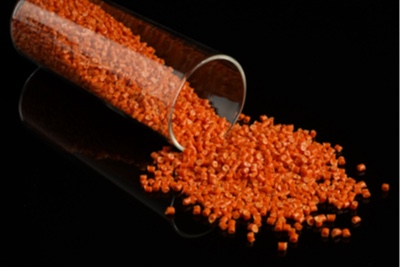
Established in 2001, Xinyite Plastic provides PBT engineering plastic compounds designed around real application requirements. Glass fiber reinforcement improves the inherent performance of PBT resin. It helps increase stiffness, mechanical strength, heat resistance, and dimensional stability for parts that must perform reliably in service.
This category supports industrial buyers, engineers, and procurement teams looking for reinforced PBT materials for electrical, automotive, appliance, machinery, and power tool applications. We can discuss customized formulations based on reinforcement level, mechanical performance, thermal needs, flame retardant requirements, color, and injection molding conditions.
Request a GF Reinforced PBT Grade Recommendation or Contact Us for Custom PBT Compounds to discuss your application requirements.
Glass fiber reinforced PBT offers a stronger and more stable alternative to unfilled PBT and many general-purpose plastics. The reinforcement improves rigidity, load-bearing performance, dimensional control, and resistance to deformation under heat.
For engineering and procurement teams, its value lies in balanced mechanical strength, heat resistance, chemical resistance, low moisture absorption, and electrical insulation performance. Flame retardant and UL 94 V-0 compliant options may be available for selected materials. The exact rating should always be confirmed by grade, color, thickness, and application requirements.
Glass fiber reinforcement improves the tensile strength, flexural strength, stiffness, and load-bearing performance of PBT compounds. This makes the material suitable for structural parts, mounting brackets, functional housings, internal supports, and precision molded components.
Compared with unreinforced plastics, reinforced PBT provides better resistance to bending and deformation. This is important for parts requiring dimensional accuracy, screw retention, structural support, or repeated mechanical loading.
GF Reinforced PBT is commonly selected for molded parts exposed to elevated temperatures or tight tolerance requirements. Its heat resistance and dimensional stability help reduce deformation, shrinkage variation, and performance loss in demanding environments.
For complex geometry or strict dimensional control, we can discuss low-warpage PBT compounds and heat-stabilized PBT grades. These adjustments can improve molding consistency and part stability when matched with suitable tooling and processing conditions.
Depending on the grade and use environment, glass fiber reinforced PBT can resist oils, fuels, cleaning agents, and common industrial chemicals. This makes it useful for automotive, machinery, appliance, and industrial parts where chemical contact may occur.
PBT engineering plastic is also valued for electrical insulation performance. It is widely used in connectors, switches, relays, terminal blocks, coil bobbins, and electronic housings. For flame retardant or electrical safety requirements, please provide the required standard and testing conditions.
GF Reinforced PBT is not a single universal material. It is a flexible product family that can be adjusted by reinforcement level and application requirements. Different grades can emphasize stiffness, toughness, flowability, surface quality, heat resistance, flame retardancy, color matching, or dimensional stability.
Xinyite Plastic supplies and develops modified engineering plastic compounds for demanding industries. These include automotive, electronics, household appliances, power tools, machinery, and connectors. PBT GF30 material is one of our core products. It is widely used where balanced strength, dimensional stability, and injection molding performance are required.
Different glass fiber contents provide different performance balances. Lower levels may support better flowability or surface appearance. Higher levels generally improve stiffness and dimensional stability. The right choice depends on part design, wall thickness, loading conditions, molding process, and appearance requirements.
| Grade Type | Typical Glass Fiber Level | Main Performance Focus | Common Applications |
|---|---|---|---|
| PBT GF15 | About 15% glass fiber | Improved strength with relatively easier flow and balanced appearance | Small electrical parts, light-duty housings, appliance components |
| PBT GF20 | About 20% glass fiber | Balanced stiffness, strength, and processability | Connectors, switches, brackets, appliance internal parts |
| PBT GF30 | About 30% glass fiber | Strong mechanical performance and dimensional stability | Automotive components, electrical housings, power tool parts, structural molded parts |
| PBT GF40 | About 40% glass fiber | Higher rigidity and stronger dimensional control for demanding parts | Load-bearing brackets, machinery components, high-stiffness industrial parts |
PBT GF30 material is widely used for strong, dimensionally stable injection molded parts. It offers a practical balance of stiffness, thermal performance, molding efficiency, and dimensional control.
For material replacement or new component development, PBT GF30 can be a strong starting point. It is suitable when parts require strength, heat resistance, and stable dimensions. We can help determine whether GF30 or another glass fiber level better fits your application.
Custom reinforced PBT formulations can be discussed for specific application needs. Common directions include flame retardant PBT, heat-stabilized PBT, low-warpage PBT, color-matched PBT, and grades adjusted for molding flow or appearance.
Xinyite Plastic offers flame retardant engineering plastic solutions. Selected materials may be developed to meet fire-safety related requirements. If UL 94 V-0 performance is required, please confirm the rating by grade, part thickness, color, and testing conditions.
GF Reinforced PBT applications are common in industries where molded parts need strength, heat resistance, dimensional accuracy, and stable electrical performance. Xinyite Plastic serves sectors such as household appliances, 5G telecommunication, new energy vehicles, power tools and machinery, and automotive.
Each component has different performance demands. Material selection should be based on the actual part environment, not the industry name alone. Key factors include mechanical load, operating temperature, flame retardancy, chemical exposure, dimensional tolerance, and processing conditions.
Glass fiber reinforced PBT is commonly used for connectors, sockets, switches, relays, coil bobbins, terminal blocks, and electronic housings. These parts often require electrical insulation, dimensional accuracy, heat resistance, and stable molding performance.
For electrical applications, flame retardant options may also be important. Buyers should provide the required flame rating, part thickness, color, and relevant test conditions. Our team can then recommend a suitable PBT compound grade.
In automotive and new energy vehicle applications, GF Reinforced PBT can be used for sensor housings, brackets, connectors, under-hood components, and structural plastic parts. These components often need resistance to heat, chemicals, oils, vibration, and dimensional changes.
Reinforced PBT compounds are useful where lightweight molded parts must maintain stiffness and precision. For demanding automotive applications, grade selection should consider service temperature, exposure environment, mechanical stress, assembly method, and testing requirements.
For household appliances, power tools, and machinery, PBT GF materials can be used in housings, pump parts, handles, gears, internal supports, brackets, and mechanical enclosures. The material’s stiffness and dimensional stability support long service life and consistent assembly performance.
Parts in these industries may face heat, vibration, wear, cleaning agents, or mechanical loading. Xinyite Plastic can recommend reinforced PBT compounds based on part design, processing method, appearance requirements, and performance targets.
GF Reinforced PBT is also suitable for precision molded parts used in 5G telecommunication and industrial equipment. These applications often require dimensional stability, electrical performance, and reliable molding quality.
Typical uses may include internal structural parts, housings, brackets, and functional plastic components. For communication and industrial devices, material selection may involve thermal stability, flame retardancy, dimensional tolerance, and long-term reliability.
Choosing the right GF Reinforced PBT grade requires a clear understanding of the part’s function, environment, and processing method. A grade that works for a thick structural bracket may not suit a thin-wall connector. A stiffness-focused material may also need adjustment when appearance or flowability matters.
To improve recommendation accuracy, buyers should provide drawings, current material information, testing requirements, end-use conditions, color needs, and expected production process. We can then support PBT grade selection based on mechanical, thermal, flame retardant, dimensional, and processing priorities.
| Selection Factor | Why It Matters | Information to Provide |
|---|---|---|
| Required glass fiber content | Affects stiffness, strength, flowability, surface appearance, and warpage tendency | Target GF level such as GF15, GF20, GF30, or GF40, if known |
| Mechanical load | Determines the need for strength, rigidity, toughness, and load-bearing performance | Part function, stress conditions, assembly method, and performance tests |
| Heat resistance | Important for parts exposed to elevated temperatures during service | Operating temperature, peak temperature, and service duration |
| Flame retardancy | Required for many electrical and electronic applications | UL 94 rating needs, part thickness, color, and safety standard requirements |
| Dimensional tolerance | Critical for precision connectors, housings, and assembled parts | Drawing, tolerance range, warpage concerns, and molding history |
| Chemical exposure | Influences long-term performance in automotive, appliance, and industrial environments | Contact chemicals, oils, fuels, cleaning agents, or lubricants |
| Color and appearance | Important for visible parts or color-coded components | Color target, surface requirements, and appearance standard |
| Processing method | Flowability and molding stability depend on part design and equipment | Injection molding conditions, part thickness, gate design, and mold structure |
Before requesting a recommendation, please prepare the following information if available:
Xinyite Plastic is a modified engineering plastics manufacturer with more than 20 years of industry experience. We focus on independent R&D, production, and sales services for high-performance engineered plastic resins and polymer compounds. Our team provides one-stop material solutions for customers across multiple industrial sectors.
For custom GF Reinforced PBT, we can discuss formulation adjustments around reinforcement level, toughness, heat stability, flame retardancy, color, dimensional stability, and processing performance. Our goal is to help customers match material properties with the real demands of automotive, electronics, appliances, connectors, machinery, and power tool applications.
Xinyite Plastic’s independent research and development capability supports material modification for practical engineering requirements. Formulations can be discussed based on glass fiber content, mechanical strength, heat resistance, flame retardancy, color matching, and injection molding behavior.
This makes Xinyite a suitable technical partner for material replacement, product upgrading, and new product development. Buyers can provide existing grade information, drawings, and testing requirements. Our team can then evaluate suitable reinforced PBT compound directions.
In addition to PBT GF30 material and other reinforced PBT compounds, Xinyite Plastic supplies a complete portfolio of high-performance engineered plastics. Core and featured materials include PA66 GF30 material, glass fiber PA6 compounds, ABS V0 plastic resin, PC V0 plastic resin, flame retardant PC/ABS alloy, talc or mineral filled PP, and other modified plastic compounds.
This one-stop material capability helps customers source multiple engineering plastic solutions from one supplier. It is especially valuable for manufacturers developing product lines that need different material families for electrical safety, strength, heat resistance, UV resistance, dimensional stability, or chemical resistance.
If you are evaluating GF Reinforced PBT for a new project or material replacement, contact Xinyite Plastic for pricing, sample discussion, technical consultation, or custom formulation support. As an experienced GF Reinforced PBT manufacturer, we can review your application requirements and recommend a suitable PBT grade direction.
For a faster response, please share your application details, current material grade if available, required glass fiber percentage, flame retardant or UL 94 requirement, color, processing method, annual or trial quantity, and special testing requirements. Our team supports B2B procurement and engineering teams with practical material selection guidance.
It is polybutylene terephthalate reinforced with glass fiber to improve strength, stiffness, heat resistance, and dimensional stability. Our customers commonly use it for precision molded parts in electrical, automotive, appliance, and industrial applications.
The number usually indicates the approximate glass fiber content. Higher glass fiber levels generally increase stiffness and strength. Lower levels may offer better flowability, toughness, or surface appearance, depending on the formulation.
Yes. Xinyite Plastic offers flame retardant engineering plastic solutions, and flame retardant PBT formulations can be discussed for your application. UL 94 V-0 requirements should be confirmed by specific grade, color, and part thickness.
PBT GF30 is suitable for connectors, switches, automotive components, appliance parts, power tool housings, brackets, and other molded parts. It is a practical option when balanced strength, heat resistance, and dimensional stability are required.
You should consider mechanical load, operating temperature, flame retardancy, chemical exposure, dimensional tolerance, color, and molding conditions. Sharing drawings, current material data, and application requirements helps our team recommend a suitable grade.