
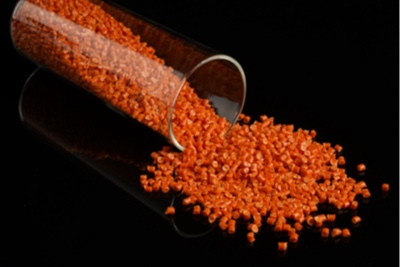


Why Modified Plastics for EVs
New energy vehicles place higher demands on materials: heat resistance around high-voltage components, flame retardancy for charging systems, and a premium appearance that keeps up with modern interior design. The three materials below cover the key application areas - headlamp housings, charging guns, and cockpit interiors - and are proven choices widely used in EV production.

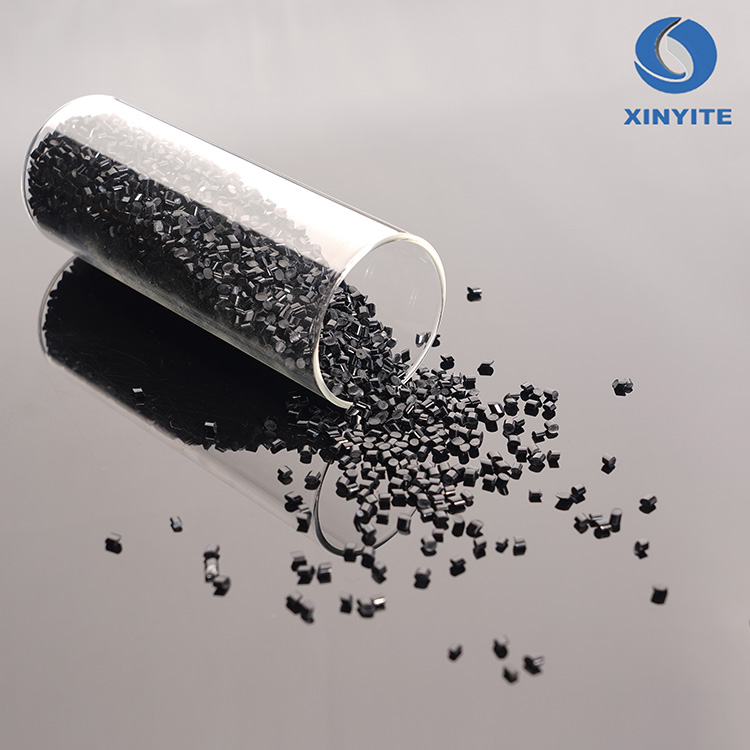


EV Lighting Components
Application
Automotive headlamp bases, lamp housings, bezels and optical frames in EV headlight and taillight assemblies.
Key Advantages
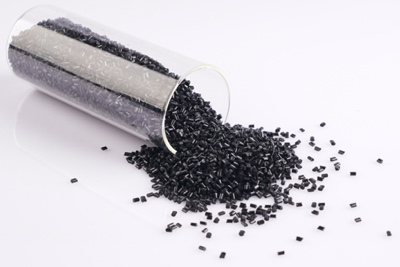
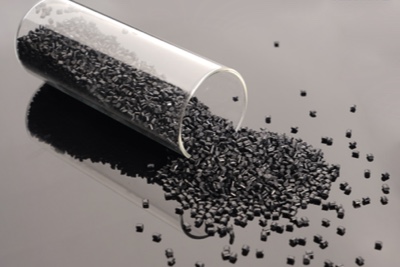
High-gloss black appearance delivers a deep, mirror-like finish that matches the premium look of modern EV lamp clusters.
Excellent dimensional stability and low warpage keep the lamp housing tight against lenses and seals, reducing light leakage and dust ingress.
Good heat resistance withstands the temperature around LED modules and lamp internals during long hours of operation.
Easy injection molding with a wide process window, ideal for complex lamp housing geometries.
High impact strength protects the lamp assembly from stone chips and minor impacts during daily driving.
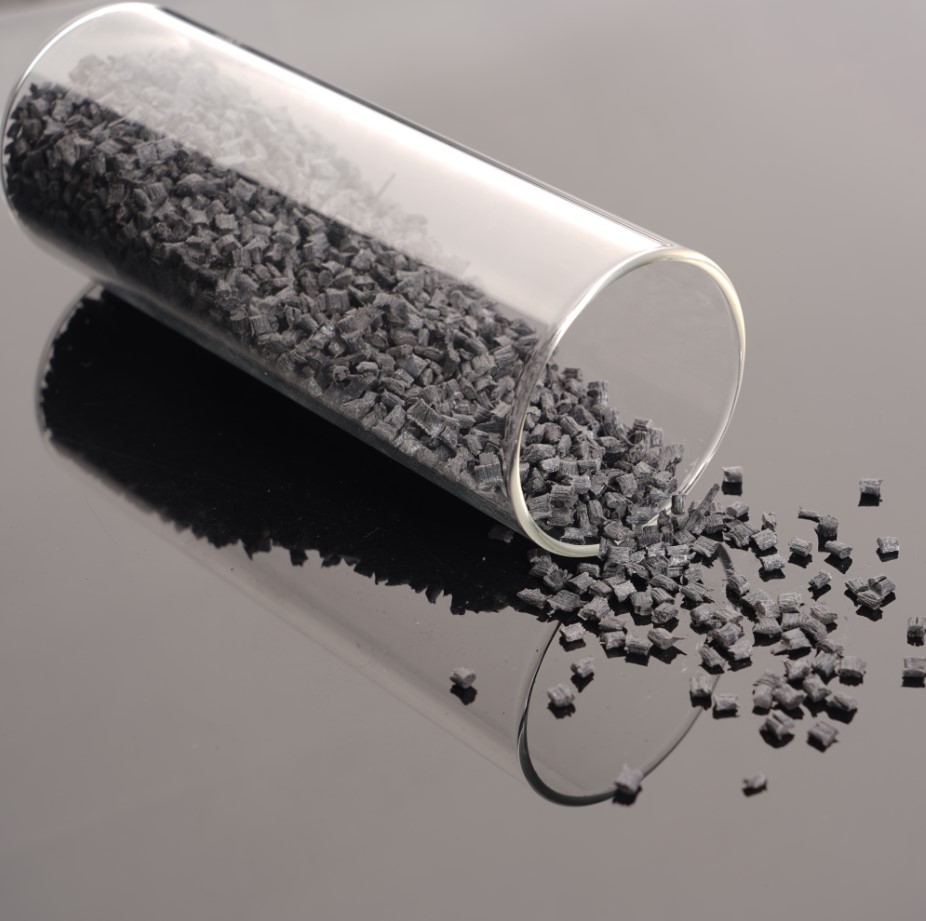
EV Charging Components
Application
Charging gun housings, charging connectors, plugs and protective covers for EV charging equipment (AC/DC chargers and portable chargers).
Key Advantages
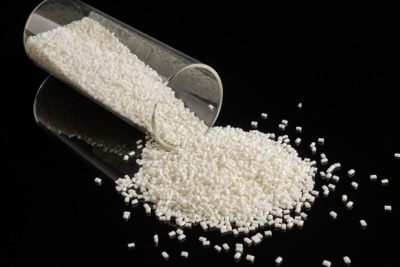
UL94 V0 flame retardant rating: self-extinguishing within 10 seconds after flame removal, meeting strict safety requirements for high-voltage charging equipment.
Glass-fiber reinforced PA66 offers high rigidity and creep resistance, so the connector keeps its shape under repeated plugging, unplugging and cable pull.
Excellent heat resistance handles the temperature rise during fast charging.
Good electrical insulation and arc resistance for safe handling of high-voltage currents.
Tough and durable: withstands drops, cable bending and long-term outdoor use.


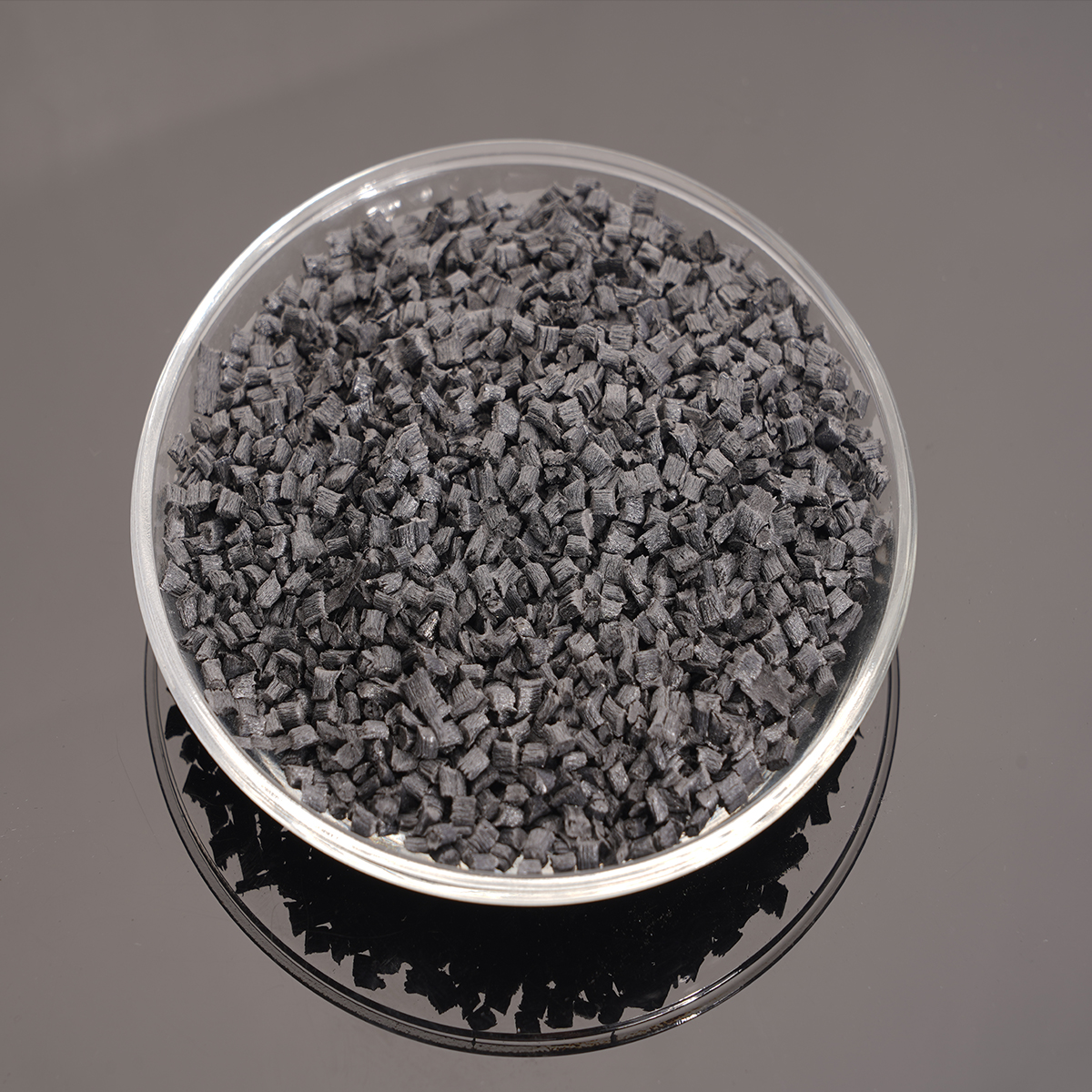
EV Interior Components
Application
Instrument panel (dashboard) skeletons, center console panels, air vent bezels, door trim supports and other cockpit structural and decorative parts.
Key Advantages
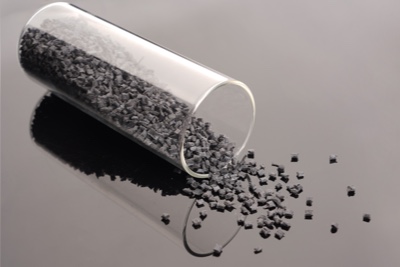
Balanced performance: combines PC impact strength with ABS rigidity and processability, a reliable choice for large cockpit parts.
Good dimensional stability keeps large panels flat and true, minimizing warpage and sink marks.
Excellent surface quality - easy to paint, plate or texture - giving interiors a refined, consistent finish.
Heat resistance suits cockpit environments exposed to direct sunlight through the windshield.
Cost-effective for large molded parts compared with pure PC, while retaining a premium feel.
Engineering Performance for Demanding EV Applications
Mechanical Strength & Impact Resistance
Our flagship PA66 GF30 and Glass Fiber PA6 compounds are engineered for structural resilience. By optimizing the bond between the polymer matrix and high-modulus glass fibers, we deliver materials that offer metal-like rigidity with significantly lower density. This ensures that critical components—from battery housings to structural brackets—can withstand high-impact loads and prolonged vibration without deformation.
UV & Weathering Resistance
Specifically formulated for the "paint-free" trend in the automotive industry, our PMMA/ASA and ASA Plastic Granules provide a deep, high-gloss black finish that is inherently resistant to photo-oxidation. These materials maintain their "Class A" surface aesthetics and mechanical properties even after years of exposure to harsh sunlight, salt spray, and fluctuating temperatures, reducing overall manufacturing costs and environmental impact.
Dimensional Stability & Low Warpage
For large-format components like bumpers, instrument panels, and door trims, precision is non-negotiable. Our Talc Filled PP+EPDM+TD20 compounds are designed for ultra-low shrinkage and minimal warpage. The integration of high-purity talc and EPDM rubber ensures a perfect balance of stiffness and impact toughness, providing a seamless fit and finish for complex automotive assemblies.
Thermal, Flame-Retardant & Electrical Performance
NEVs operate in unique thermal environments, particularly around power electronics and battery systems. Our engineered plastics are tested for long-term aging resistance at elevated temperatures. They maintain high dielectric strength and chemical resistance against automotive fluids, ensuring the electrical safety and functional longevity of the vehicle's powertrain and cooling systems.
Your Trusted Partner in Polymer Innovation
With over two decades of industry immersion, Xinyite stands as a pillar of reliability in the engineered plastics market.
20+ Years of Industry Experience
Established in 2001, Xinyite has witnessed the evolution of the automotive industry from traditional ICE vehicles to the current NEV revolution. This longevity has allowed us to accumulate a vast database of material performance records and application cases. We leverage this "20+ years of experience" to anticipate potential material failures before they happen, saving our clients significant time and cost in the validation phase.
Full-Service Integration
We offer a "one-stop" functional polymer service model. Unlike traders or small-scale compounders, Xinyite manages the entire lifecycle: from the initial R&D of the modified formula to large-scale manufacturing and global sales support. This integrated approach ensures transparent communication, faster response times to technical inquiries, and a direct line to the experts who actually design your materials.
Automotive Material Manufacturing Capability

FAQs
Q1: How does Xinyite support the lightweighting goals of New Energy Vehicles?
Q2: Can you provide customized material formulas for specific automotive parts?
Q3: What is Xinyite’s production capacity and supply stability?
Q4: Do your automotive-grade materials come with professional testing and certification?
Q5: How fast can I receive samples for testing and mold trials?
Q6: What modified plastics are suitable for new energy vehicle components?
Q7: What plastic material is suitable for EV charging guns and connectors?
Q8: What plastic is used for EV headlamp housings?
Ready to Enhance Your NEV Components?
Whether you are developing EV lighting, charging, interior or structural components, Xinyite can help you select or customize the right modified plastic grade for your application. Contact our team for material recommendations, technical data and sample support.
Related Blogs
-
 Engineering plastics for EV headlamp components are increasingly replacing traditional glass and metal to reduce weight, improve design flexibility, and support thermal and optical performance. This guide compares PC, PMMA, PBT, PA66, and thermally conductive plastics for EV headlamp lenses, reflectors, housings, brackets, and heatsinks. It also examines key factors including UV resistance, impact strength, thermal stability, electrical insulation, EMI shielding, injection molding, joining methods, and recyclability, helping automotive manufacturers select suitable plastic materials for modern EV lighting systems.Technical News
-
 Engineering plastics play a critical role in modern EV battery module components by reducing weight while providing electrical insulation, flame resistance, mechanical strength, and chemical durability. This guide compares materials including PP, PA, PC, PBT, PEEK, PTFE, and CFRP for applications such as cell holders, busbar insulation, high-voltage connectors, and battery enclosures. It also explains key material selection factors, manufacturing considerations, and performance requirements to help engineers choose suitable plastics for safer, lighter, and more efficient electric vehicle battery systems.Technical News
-
 Selecting the right materials for **EV inverter housings** requires balancing heat resistance, electrical insulation, mechanical strength, dimensional stability, EMI shielding, and manufacturing cost. This guide compares key engineering plastics, including GF-PA66, PC/ABS, PBT, and CFRP, for high-voltage EV applications. It also examines thermal conductivity, CTI, UL 94 V-0 requirements, injection molding considerations, and material trade-offs. By understanding these factors, engineers and manufacturers can choose suitable plastic materials for safer, lighter, and more reliable EV inverter housing designs.Technical News

Keep in Touch With Us
If you have any questions or requirements regarding solutions, please feel free to contact our customer service team.
Our professional team will provide you with detailed product information, answer your questions, and tailor the best solution to meet your needs.
Mob:+86-15062415490
E-mail:info@xytplast.com