Views: 0 Author: Site Editor Publish Time: 2026-08-27 Origin: Site


The automotive industry's aggressive transition from cast aluminum to engineered polymers for high-voltage components achieves critical weight reduction and extends vehicle range. Engineering teams must balance competing demands: extreme thermal management, strict electrical insulation, structural rigidity under continuous vibration, and EMI shielding—all while controlling manufacturing costs. We provide an objective framework for evaluating engineered plastics, comparing material properties, and aligning polymer selection with specific inverter architecture and compliance mandates. You will learn how to map base resins to specific component requirements, ensuring the final parts survive harsh automotive environments while optimizing production cycles.

Compliance is the Baseline: UL 94 V-0 flame retardancy and high Comparative Tracking Index (CTI) ratings are non-negotiable prerequisites for high-voltage applications.
Material Trade-offs Define Success: Glass-filled PA66 (GF-PA66) dominates in high-heat environments, whereas flame-rated Polycarbonate (PC) and PC/ABS blends offer superior dimensional stability and cost-efficiency for lower-temperature zones.
EMI Shielding Requires Hybrid Approaches: Because plastics are inherent insulators, achieving electromagnetic interference (EMI) shielding requires specialized conductive coatings, metallic inserts, or advanced composite formulations.
Manufacturability Impacts Total Cost: Material selection must account for injection molding realities, including shrinkage, warpage, and tooling degradation caused by highly filled resins, as well as alternative methods like thermoforming for non-structural covers.
Table of Contents
Modern electric vehicles rely on silicon carbide (SiC) or insulated-gate bipolar transistor (IGBT) power modules. These components generate intense thermal loads during rapid switching cycles. SiC modules, in particular, can push junction temperatures well above 175°C. Plastics enclosing these modules must withstand localized hot spots without softening, outgassing, or losing mechanical integrity. You must define the exact thermal loads generated by the inverter architecture before selecting a base resin.
Engineers establish a baseline Relative Thermal Index (RTI) required to prevent material degradation over the vehicle's lifecycle. RTI testing, governed by standards like UL 746B, exposes polymers to elevated temperatures for extended periods—typically up to 100,000 hours. The goal is to determine the exact temperature at which the material's physical properties degrade by 50%. Addressing the challenge of localized hot spots requires temperature-resistant polymers capable of maintaining structural stability. You also need to design thermal dissipation pathways, integrating metal heat sinks or thermal interface materials directly with the plastic enclosure to pull heat away from the semiconductor junctions.
High-voltage architectures operating at 400V or 800V demand flawless electrical insulation. The housing plays a primary role in preventing arcing and catastrophic short circuits. As voltages increase, the risk of partial discharge and surface tracking multiplies exponentially. You must evaluate Dielectric Strength and Volume Resistivity metrics strictly during material specification. Dielectric strength measures the maximum voltage a material can withstand before breaking down (usually measured in kV/mm), while volume resistivity indicates how well the polymer resists electrical current through its core structure.
Comparative Tracking Index (CTI) requirements are equally critical. CTI measures a material's resistance to surface tracking when exposed to electrical stress in contaminated or humid environments. High CTI ratings (often requiring a Performance Level Category of PLC 0, meaning it withstands 600V or more) prevent conductive carbon paths from forming on the plastic surface. Insulation strategies for EV Inverter Housings must align seamlessly with the broader high-voltage battery ecosystem. This alignment maintains continuous dielectric barriers across the entire powertrain, ensuring passenger safety and system reliability under all driving conditions.
Automotive components endure constant road vibration, mechanical shock, and severe thermal cycling. The structural demands placed on plastic enclosures require high mechanical rigidity to prevent internal components from shifting. You must establish target metrics for Tensile Strength, Flexural Modulus, and Impact Resistance (Izod/Charpy). High flexural modulus ensures the housing does not flex under load, which could compromise internal electronics, snap-fits, or seal interfaces.
Maintaining seal integrity under dynamic mechanical stress is a major engineering hurdle. Enclosures typically require IP67 or IP6K9K ratings to keep out dust, high-pressure water, and automotive fluids. If the plastic creeps or warps over time due to thermal cycling, the gaskets will fail. Material selection must prioritize long-term dimensional stability to ensure compression limiters and elastomeric seals function correctly throughout the vehicle's life. Engineers often specify glass-filled grades specifically to boost the creep modulus and keep sealing surfaces perfectly flat.
High-frequency switching within the inverter generates significant electromagnetic noise. You face a critical need to contain this electromagnetic interference (EMI) and radio frequency interference (RFI). Unshielded noise can disrupt adjacent vehicle electronics, infotainment systems, and sensitive battery management systems. Because standard plastics are transparent to electromagnetic waves, specialized strategies are necessary to block these frequencies.
Engineering teams must define precise attenuation targets measured in decibels (dB). Depending on the frequency range (often spanning from 10 kHz to 100 MHz in EV applications), shielding effectiveness targets usually range from 40 dB to 80 dB. Achieving these targets requires modifying the plastic or applying secondary processes. You must evaluate the specific frequencies generated by the power modules to determine the appropriate shielding mechanism, whether that involves conductive coatings or stamped metal inserts.
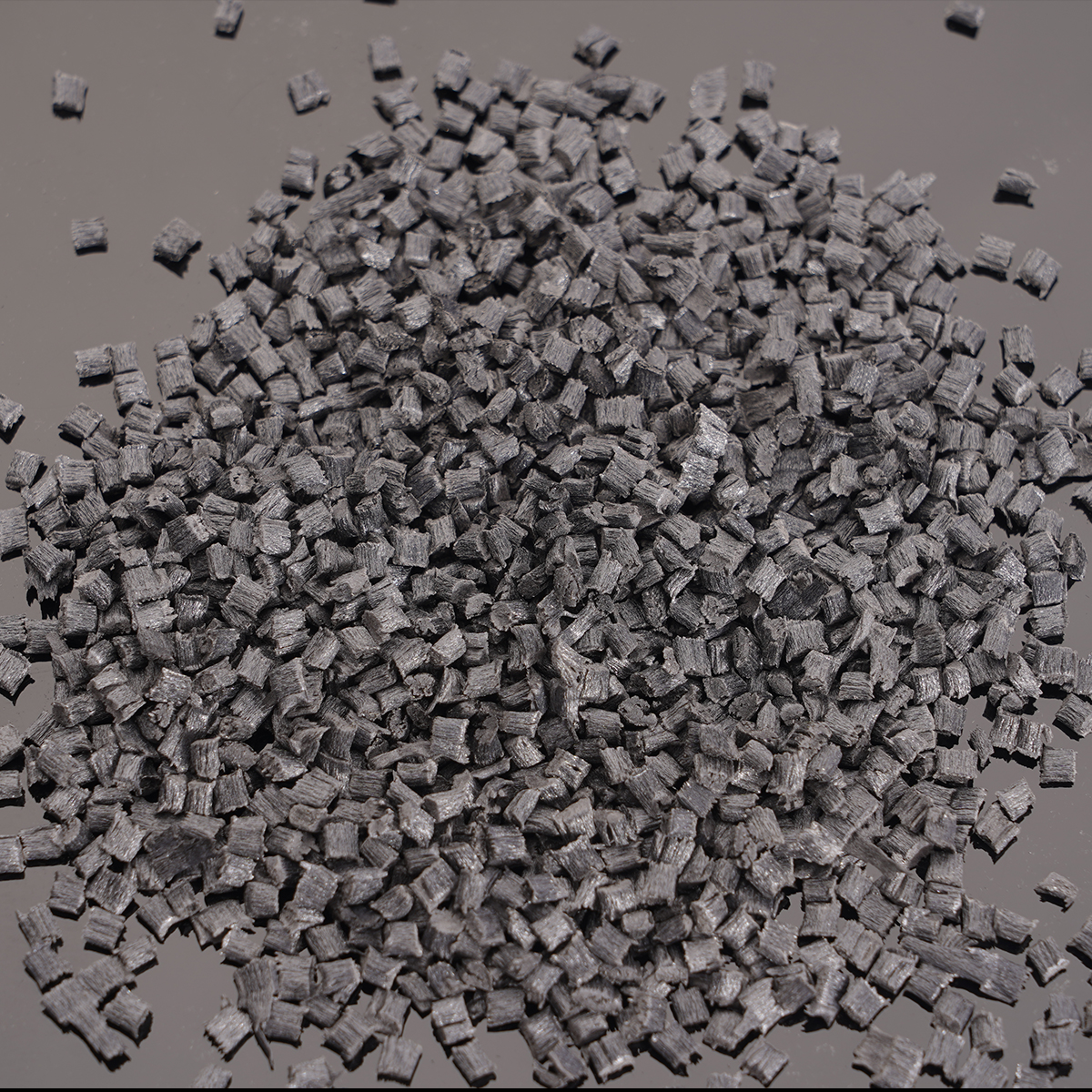
Glass-filled Nylon 66 (GF-PA66) is a dominant engineering thermoplastic in the automotive sector. Formulations typically utilize 30% to 50% glass fiber reinforcement. This high filler content provides exceptional continuous heat resistance and mechanical stiffness. GF-PA66 maintains its structural integrity at temperatures where standard amorphous polymers would fail, making it highly reliable for under-hood applications and direct-mount inverter housings.
However, PA66 has a known vulnerability to moisture absorption. The polymer matrix absorbs water from the environment through hydrogen bonding, which acts as a plasticizer. This moisture uptake impacts dimensional stability, causing the part to swell slightly, and can degrade electrical properties over time. While moisture increases impact resistance by making the material less brittle, it reduces overall tensile strength. GF-PA66 serves as an ideal material for structural brackets, motor mounts, and high-temperature proximity zones within the inverter assembly where extreme rigidity is required.
Standalone flame-rated Polycarbonate (PC) excels in scenarios requiring higher heat deflection temperatures than standard blends. It maintains superior impact resistance even at sub-zero temperatures. PC is an amorphous polymer, which gives it excellent dimensional stability and very low, predictable isotropic shrinkage rates during injection molding. This makes it suitable for large, complex parts requiring tight tolerances across long spans.
PC/ABS blends offer a highly effective balance of properties. The addition of ABS improves processability, enhances flow length during molding, and lowers the overall material weight. PC/ABS provides excellent impact strength and maintains the low shrinkage rates characteristic of pure PC. You must evaluate its performance in flame-rated (FR) formulations designed to meet UL 94 V-0 standards, often utilizing non-halogenated flame retardants like BPADP. The primary limitation of PC/ABS is its maximum continuous operating temperature, which falls short compared to crystalline polymers like PA66. It is best suited for lower-temperature zones and protective outer covers.
Polybutylene Terephthalate (PBT) is a semi-crystalline engineering polymer renowned for its electrical properties. Glass-filled PBT offers superior dielectric strength and exceptionally high CTI ratings. This makes it a staple for high-voltage connectors, isolation barriers, and complex EV Inverter Housings. PBT resists electrical tracking better than many competing polyamides, maintaining its insulative properties even in harsh environments.
PBT stands out due to its excellent resistance to automotive fluids, including oils, greases, and glycol-based coolants. Unlike PA66, PBT exhibits very low moisture absorption. Its dimensions and electrical properties remain stable regardless of environmental humidity. When comparing mechanical properties, highly filled PBT can be more brittle than PA66 or PC/ABS. You must account for this notch sensitivity during the design phase, avoiding sharp internal corners that concentrate stress and utilizing generous radii on all structural ribs.
Carbon Fiber Reinforced Plastics (CFRP) provide metal-like rigidity and superior strength at a fraction of the weight of aluminum. Assessing the viability of CFRP composites makes sense for structural housing components requiring absolute maximum strength-to-weight ratios. These composites utilize continuous or chopped carbon fibers suspended in a thermoplastic or thermoset matrix, offering unparalleled tensile strength.
Despite their performance, CFRP materials introduce prohibitive cost factors. The raw material is expensive, and manufacturing cycle times are significantly longer than standard injection molding, especially if using Resin Transfer Molding (RTM). Furthermore, carbon fibers are inherently electrically conductive. This conductivity complicates insulation requirements, as the housing itself can conduct stray currents or cause galvanic corrosion if placed in direct contact with certain metals. You must design secondary isolation barriers if CFRP is used near high-voltage busbars.
Selecting the right base resin requires mapping materials to specific inverter zones based on their strengths. GF-PA66 offers superior continuous heat resistance and structural rigidity. It thrives in high-stress, high-temperature environments where mechanical load-bearing is required. PC/ABS counters with excellent dimensional stability, lower moisture absorption, and better cost-effectiveness for large, complex geometries that do not see extreme heat.
Performance Metric | Glass-Filled PA66 (GF-PA66) | Flame-Rated PC/ABS |
|---|---|---|
Continuous Heat Resistance | Excellent (Up to 150°C+) | Moderate (Up to 90°C - 110°C) |
Dimensional Stability | Moderate (Affected by moisture absorption) | Excellent (Low shrinkage, no moisture issues) |
Impact Strength | Good (Improves with moisture conditioning) | Excellent (High impact resistance at low temps) |
Chemical Resistance | Excellent against automotive fluids and oils | Susceptible to certain solvents and brake fluids |
Typical Use Case | Structural brackets, high-heat proximity zones | Outer covers, low-temp structural zones |
Switching from cast aluminum to plastic yields massive weight savings, often reducing component mass by 30% to 50%. However, you must weigh these savings against the added weight and cost of secondary EMI shielding processes. Vacuum metallization, physical vapor deposition (PVD), and conductive paints apply a thin metallic layer (usually aluminum or copper) to the plastic surface. These processes add manufacturing steps, require masking operations, and increase the final part cost.
Engineers are increasingly evaluating inherently conductive polymers. These plastics are compounded with stainless steel fibers, carbon nanotubes, or nickel-coated graphite to reach the percolation threshold where the material conducts electricity. While they eliminate the need for secondary coating operations, high loadings of conductive fillers negatively impact mechanical strength. The plastic becomes more brittle, and the injection molding process becomes harder to control due to increased resin viscosity and rapid tool wear.
Thermal management presents a distinct engineering paradox: materials that conduct heat well typically conduct electricity well. Standard plastics are excellent insulators but terrible thermal conductors, usually hovering around 0.2 W/m·K. To dissipate heat from power modules, you must evaluate thermally conductive, electrically insulating (TCEI) plastics. These specialized resins are loaded with ceramic fillers like boron nitride or aluminum oxide.
TCEI plastics allow heat to move through the polymer matrix while maintaining strict dielectric barriers. However, achieving meaningful thermal conductivity (e.g., 2 to 10 W/m·K) requires massive filler loadings, sometimes exceeding 60% by weight. High filler loadings negatively impact polymer flow during injection molding. The material becomes highly viscous, requiring higher injection pressures, and the final molded part exhibits increased brittleness and lower weld-line strength.
Raw resin costs vary wildly based on performance requirements. Standard PC/ABS is highly cost-effective, while specialized high-heat polyamides or thermally conductive grades command massive premiums. When calculating project budgets, you must look beyond the per-kilogram resin price. The hidden costs of manufacturing often dictate the financial viability of a material choice, especially in high-volume automotive production.
Abrasive additives like glass fibers and ceramic fillers cause accelerated tool wear. Injection molds require hardened tool steels (such as H13 or CPM 9V) to withstand the scouring action of the molten resin. Frequent mold maintenance, gate replacements, and runner system repairs add significant processing expenses. You must factor these tooling degradation costs into the material selection matrix to understand the true cost per part over the vehicle's production run.
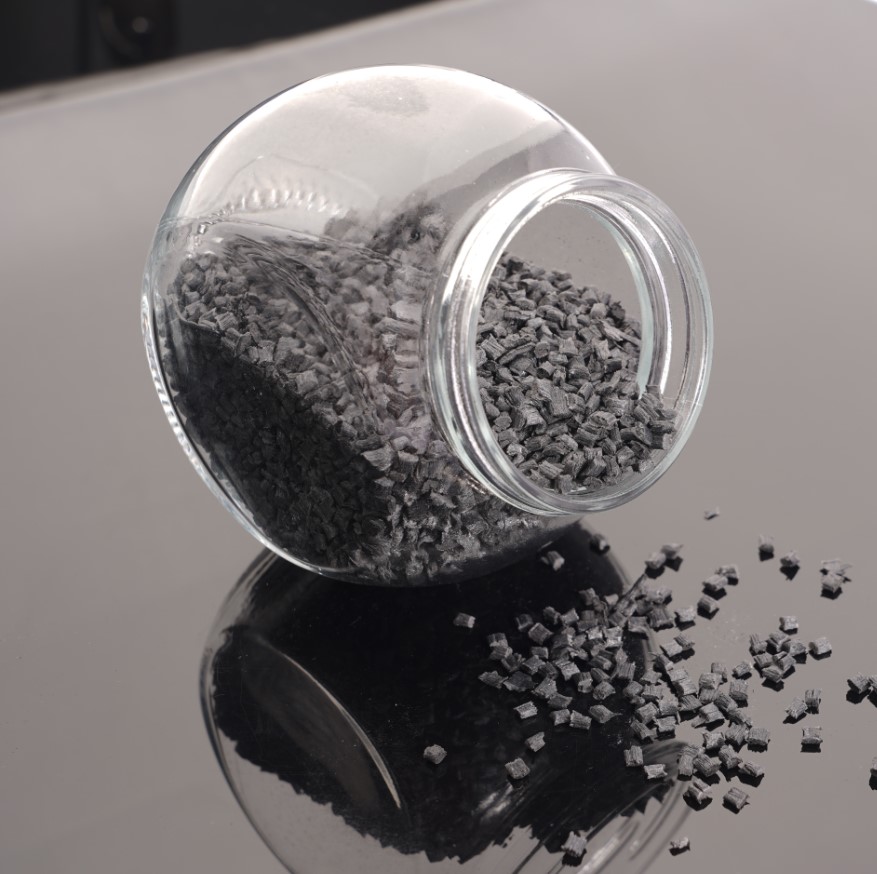
High-voltage components carry inherent fire risks due to electrical arcing and thermal runaway. UL 94 V-0 is the baseline flammability standard for these applications. The testing parameters require a vertical plastic specimen to self-extinguish within 10 seconds after a flame is removed, without dripping flaming particles that could ignite secondary fires. Achieving this rating requires specific flame retardant (FR) additives compounded directly into the base resin.
You must evaluate how these additives affect polymer performance. Halogenated FR packages are highly effective but face increasing regulatory scrutiny due to toxicity concerns during combustion. Non-halogenated alternatives, like red phosphorus or melamine cyanurate, are environmentally safer but can cause electrical tracking issues or outgassing if not compounded correctly. Furthermore, all materials specified for EV inverter housings must comply with global directives, including RoHS (Restriction of Hazardous Substances), REACH, and end-of-life vehicle (ELV) recycling mandates.
Injection molding remains the standard for producing complex, structural bases with integrated mounting points and sealing grooves. You must utilize Moldflow analysis during the early design phase to ensure manufacturability. A proper simulation workflow includes:
Analyzing fill times to prevent premature resin freezing in thin-wall sections.
Optimizing gate locations to direct weld lines away from high-stress structural areas.
Designing conformal cooling channels to manage differential shrinkage and reduce cycle times.
Evaluating fiber orientation to predict anisotropic mechanical properties in the final part.
Large housings are prone to specific injection molding defects. Warpage occurs due to differential shrinkage across thick and thin wall sections. Weak weld lines form where two flow fronts meet, which is particularly problematic in glass-filled plastics because the glass fibers do not cross the weld line interface. Fiber orientation creates anisotropic properties, meaning the plastic is stronger in the direction of flow. You must account for this directional strength in your structural Finite Element Analysis (FEA).
Alternative forming methods offer scalable solutions for lower-volume platforms. Thermoforming is highly viable for non-structural inverter covers or secondary EMI shields. Heavy-gauge thermoforming utilizes extruded plastic sheets and requires significantly lower tooling costs than injection molding since it only requires a single-sided mold. While it cannot achieve complex internal ribs or bosses, it provides a rapid, cost-effective method for outer protective shells.
Relying on highly specialized, proprietary polymer blends introduces severe supply chain risks. If a single supplier faces chemical shortages, logistics bottlenecks, or force majeure events, your production line stops. Sole-sourcing custom resins leaves OEMs vulnerable to sudden price hikes and delivery delays, which can derail entire vehicle launch schedules.
Mitigate this risk by qualifying secondary equivalent materials early in the product lifecycle. Test alternative resins during the initial Production Part Approval Process (PPAP) phase. Establishing a dual-source strategy ensures you have a validated backup material ready for immediate deployment without requiring a complete re-validation of the inverter assembly, saving months of testing time.
Filter all candidate resins through strict Relative Thermal Index (RTI) and Comparative Tracking Index (CTI) thresholds before evaluating mechanical properties.
Run comprehensive mold flow simulations on the shortlisted materials to identify warpage risks and optimize gate locations for highly filled polymers.
Engage custom compounders to develop specific flame-retardant and thermally conductive formulations tailored to your inverter's cooling architecture.
Validate secondary material equivalents during the initial Production Part Approval Process (PPAP) to secure your supply chain against future shortages.
Working with an experienced engineering plastics supplier can further simplify material selection, formulation development, and application matching for demanding EV components. Xinyite specializes in engineering plastic materials and modified polymer solutions, supporting manufacturers in selecting and developing materials around specific performance and processing requirements.
A: No single plastic fits every application. Glass-filled PA66 works best for high-heat, high-stress structural areas. PBT excels in zones requiring high electrical tracking resistance. PC/ABS blends are optimal for lower-temperature covers that demand high dimensional stability and impact resistance.
A: Plastics are natural insulators and require secondary processes to block electromagnetic interference. Engineers apply conductive paints, utilize vacuum metallization, or insert stamped metal shields. Alternatively, resins can be compounded with conductive fillers like stainless steel fibers or carbon nanotubes.
A: GF-PA66 provides significantly higher continuous heat resistance and structural rigidity compared to PC/ABS. In high-voltage environments where power modules generate intense heat and components endure severe mechanical vibration, GF-PA66 maintains its physical properties without softening or deforming.
A: UL 94 V-0 is a strict flammability standard. It requires a vertically oriented plastic specimen to self-extinguish within 10 seconds after a flame is removed. The material must not drip flaming particles that could ignite surrounding materials, ensuring safety in fire-risk environments.
A: Not entirely. While thermally conductive plastics help dissipate localized heat and eliminate hot spots, their thermal conductivity (usually 2-10 W/m·K) is vastly lower than aluminum (approx. 200 W/m·K). They are best used in conjunction with metal heat sinks or liquid cooling plates.
A: CTI measures a plastic's ability to resist electrical tracking across its surface when exposed to voltage and contaminants. In high-voltage EV systems, a high CTI rating prevents conductive carbon paths from forming, which could lead to catastrophic short circuits and fires.