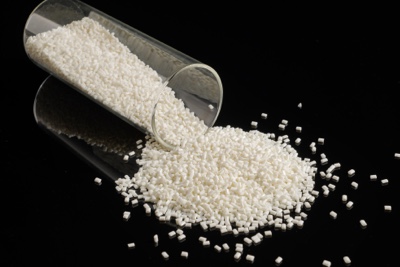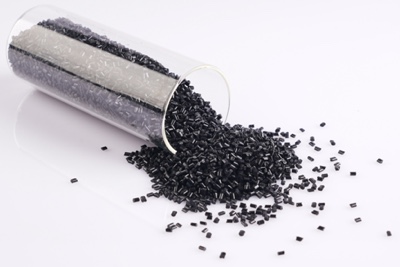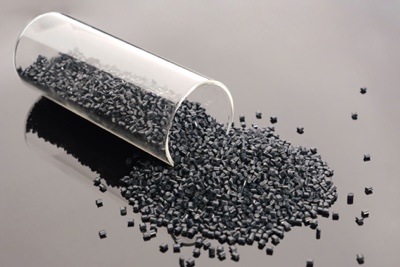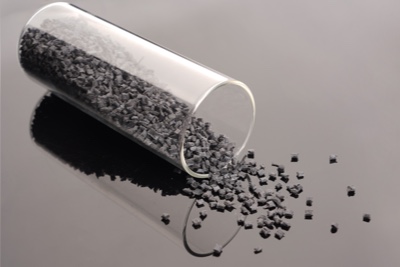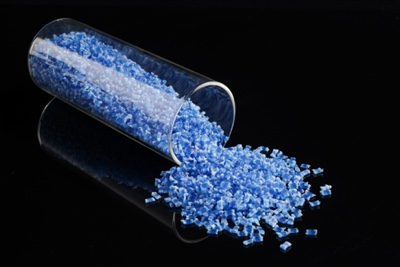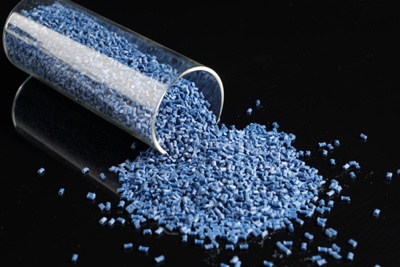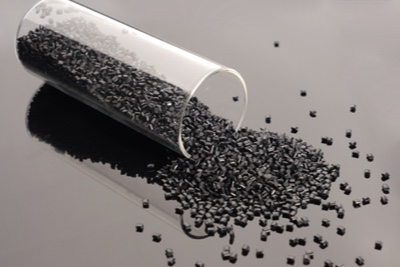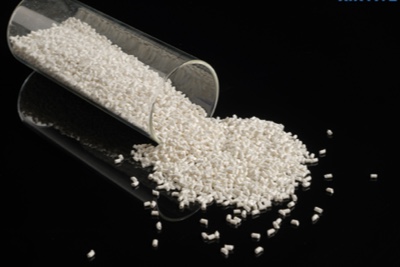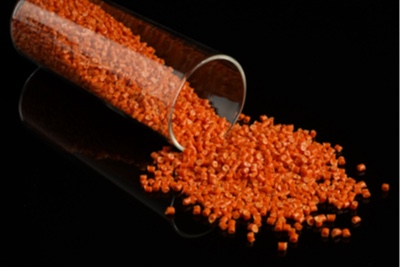
Polybutylene Terephthalate, commonly known as PBT resin or PBT plastic, is used in engineering applications where molded parts must remain stable under mechanical, thermal, and environmental stress. Compared with general-purpose plastics, modified grades can provide better rigidity, durability, heat performance, and dimensional consistency for precision components.
XINYITE is a manufacturer of high-performance engineered and modified plastic resins. We combine independent R&D, production, sales, customization support, and one-stop material solution capabilities. For buyers evaluating PBT material for industrial production, our team can discuss grade options based on application requirements, molded part conditions, and target performance.
Our material directions include reinforced PBT, functional compounds, and customized formulations. These options support demanding industries such as automotive, new energy vehicles, household appliances, electrical components, 5G telecommunication, power tools, and machinery.
XINYITE focuses on modified engineering plastics, not only commodity resin supply. For Polybutylene Terephthalate materials, buyers can request different formulation directions based on strength, stiffness, heat resistance, flame retardancy, dimensional stability, appearance, and processing performance.
The following table summarizes common material options for industrial applications. Exact grade selection should be confirmed using the customer’s part drawing, application environment, testing requirements, and production process.
| PBT Material Type | Key Performance Focus | Typical Application Direction |
|---|---|---|
| PBT GF30 material | Improved rigidity, mechanical strength, dimensional stability, and heat performance through glass fiber reinforcement | Automotive parts, electrical housings, structural components, appliance components |
| Modified PBT resin | Balanced strength, toughness, processing, color, and application-specific performance | Custom molded components for industrial and consumer product assemblies |
| Flame retardant PBT compound | Fire-safety performance, insulation-related use, dimensional stability, and reliable part function | Electrical and electronic parts, connectors, enclosures, appliance components |
| Functional PBT compound | Customized mechanical, thermal, chemical resistance, or processing characteristics | Parts with specific operating conditions or special performance requirements |
PBT GF30 is a glass fiber reinforced compound containing about 30% glass fiber. This material direction improves rigidity, mechanical strength, dimensional stability, and heat resistance compared with unreinforced resin. It is suitable for molded parts that require stable structure and long-term durability.
As one of XINYITE’s core product directions, PBT GF30 material can be considered for structural components, automotive parts, electrical housings, brackets, appliance components, and other injection molded parts where stiffness and dimensional control are important.
Modified PBT resin can be developed according to buyer requirements for strength, toughness, thermal behavior, flame retardancy, color, surface appearance, and processing method. This is useful when a standard grade cannot fully match the part design or operating environment.
For accurate material recommendations, we suggest sharing technical requirements, part drawings, sample parts, processing conditions, and target performance values when available. Our team can then discuss a custom compound direction that fits the intended application.
Flame retardant PBT compounds may be developed for electrical and electronic applications where fire-safety performance, dimensional stability, and reliable insulation-related performance are important. These grades are often considered for connectors, housings, appliance components, and other precision molded parts used near electrical systems.
XINYITE references UL 94 V-0 for flame-retardant materials across its product range. Specific flame-retardant level, testing requirement, or compliance target should be confirmed during material selection. This helps ensure the formulation matches the final application.
Polybutylene Terephthalate plastic is selected by industrial buyers for its balance of strength, heat resistance, dimensional stability, chemical resistance, and processability. For injection molded components, these properties help manufacturers achieve consistent part performance and stable production quality.
When reinforced or modified, engineering plastic PBT can support demanding applications that require more than basic resin performance. The advantages below explain why this material is widely considered for automotive, electrical, appliance, and machinery components.
Glass fiber reinforced grades can support parts that need stiffness, structural integrity, and stable performance under load. This makes reinforced materials suitable for housings, brackets, support structures, and molded components where deformation control is important.
PBT plastic is often used where parts may face elevated temperatures or tight dimensional tolerances. Modified compounds can help maintain part shape and function in connectors, housings, appliance parts, and automotive components.
PBT resin offers resistance to many chemicals found in industrial and consumer product environments. For specific oils, cleaning agents, fuels, or other chemical exposure, buyers should confirm operating conditions. This allows our team to evaluate the material formulation properly.
Polybutylene Terephthalate is commonly used in injection molded parts because it can be formulated for stable processing and consistent finished components. Flow behavior, mold design, part thickness, reinforcement level, and surface requirements should all be considered during grade selection.
Polybutylene Terephthalate applications cover industrial sectors where strength, durability, heat performance, and stable molding are required. XINYITE supports material development and recommendation for automotive, new energy vehicles, household appliances, 5G telecommunication, power tools, and machinery applications.
Different industries may require different material properties. Automotive components may emphasize heat resistance and dimensional stability. Electrical components may require flame-retardant performance and reliable molded precision.
| Industry | Common Part Examples | Important PBT Material Properties |
|---|---|---|
| Automotive and new energy vehicles | Connectors, housings, brackets, sensor components, precision molded parts | Heat resistance, dimensional stability, mechanical strength, durability |
| Electrical, 5G, and telecommunication | Connectors, enclosures, insulating components, precision housings | Dimensional stability, flame-retardant potential, reliable molding, mechanical integrity |
| Household appliances | Internal components, housings, functional molded parts | Heat resistance, durability, stable appearance, processing consistency |
| Power tools and machinery | Structural molded parts, housings, mechanical components | Rigidity, strength, chemical resistance, long-service durability |
PBT for automotive parts is commonly considered for connectors, housings, brackets, sensor-related components, and other molded parts requiring dimensional stability and heat resistance. In new energy vehicle applications, material selection should also consider component location, temperature exposure, electrical requirements, and long-term working environment.
PBT for electrical components can be used in precision molded parts such as connectors, enclosures, insulating components, and equipment housings. For 5G and telecommunication applications, stable dimensions and consistent molded quality are important when parts must fit accurately within compact assemblies.
For household appliances, power tools, and machinery, PBT materials can help meet requirements for rigidity, durability, chemical resistance, and heat performance. Depending on the final part, XINYITE can discuss reinforced, flame-retardant, or customized options for functional molded components.
Selecting the right PBT resin grade requires more than choosing a material name. Buyers should confirm mechanical requirements, thermal exposure, molding process, flame-retardant needs, dimensional tolerances, color, appearance, and final working environment before requesting a quotation.
XINYITE can provide material recommendation support based on customer drawings, application details, samples, technical standards, or performance targets. More complete project information helps our team identify a suitable modified resin direction.
| Selection Factor | What to Confirm | Why It Matters |
|---|---|---|
| Mechanical performance | Strength, stiffness, impact resistance, load conditions | Determines whether reinforced PBT or another modified grade is needed |
| Thermal environment | Operating temperature, short-term heat exposure, assembly conditions | Helps evaluate heat resistance and dimensional stability requirements |
| Flame-retardant requirement | Required fire-safety level, such as UL 94 V-0 if applicable | Supports selection of flame retardant PBT compounds where needed |
| Processing method | Injection molding conditions, flow needs, wall thickness, part complexity | Affects molding stability, surface quality, and production consistency |
| Application environment | Chemical exposure, humidity, electrical needs, outdoor or indoor use | Ensures the PBT compound matches real operating conditions |
| Appearance and color | Color target, surface finish, visible or hidden part | Helps align material formulation with finished product requirements |
Before selecting PBT resin, buyers should confirm strength, stiffness, impact resistance, heat resistance, dimensional tolerance, chemical exposure, flame-retardant level, and surface appearance. These requirements help determine whether a standard reinforced grade, flame-retardant formulation, or custom compound is more suitable.
Injection molding conditions, flow requirements, mold design, wall thickness, and part complexity can all influence grade selection. If the part has long flow paths, thin walls, tight tolerances, or complex geometry, processing requirements should be discussed early.
Buyers should specify operating temperature, electrical environment, fire-safety requirement, chemical exposure, and any industry-specific testing needs. If a flame-retardant target such as UL 94 V-0 is required, please confirm it before formulation discussion and sample evaluation.
XINYITE provides custom modified Polybutylene Terephthalate solutions for customers who need material performance matched to specific industrial applications. With independent research and development capabilities, production and sales integration, and one-stop material solution support, we help buyers evaluate compounds based on practical part requirements.
Established in 2001, XINYITE has more than 20 years of industry involvement in high-performance engineered and modified plastic resins. Our broader product portfolio includes PA66, PA6, ABS, PC, PC/ABS, PP, and PBT materials. This allows buyers to compare multiple engineering plastic options for performance and application fit.
XINYITE’s R&D support helps customers balance mechanical performance, thermal behavior, flame retardancy, processing, color, and cost-related requirements. For PBT resin projects, our team can discuss formulation directions based on target properties, production method, and end-use environment.
For industrial buyers, consistent quality and performance are essential when materials are used in repeat production. XINYITE focuses on stable material performance across its engineered plastic product range. We support buyers through material discussion, customization, and application-oriented resin selection.
If you are looking for a Polybutylene Terephthalate supplier for modified PBT resin, PBT GF30 material, flame retardant PBT, or a custom compound, contact XINYITE to discuss your project requirements. As an engineered plastic resin manufacturer, we support material selection, formulation discussion, sample communication, and quotation based on your application needs.
To receive a more accurate quotation, please provide the application, part drawing, processing method, target properties, color requirement, flame-retardant requirement, and estimated order quantity if available. Our team will review the information and recommend a suitable material direction for further evaluation.
Polybutylene Terephthalate, or PBT, is commonly used for automotive parts, electrical components, household appliance parts, power tools, and machinery components. Our customers usually choose it for strength, heat resistance, dimensional stability, and reliable molding performance.
PBT GF30 is a glass fiber reinforced PBT material containing about 30% glass fiber. It is designed to improve stiffness, mechanical strength, heat resistance, and dimensional stability compared with unreinforced PBT.
Yes. XINYITE provides customization support for modified engineering plastics. We can discuss adjustments for strength, heat resistance, flame retardancy, color, processing, and application-specific requirements.
Flame-retardant PBT compounds may be developed according to customer requirements. Specific flame-retardant levels and compliance needs, such as UL 94 V-0, should be confirmed during material selection.
Please provide the application, part drawing, processing method, required properties, color, flame-retardant needs, and estimated purchase quantity when available. This helps our team recommend a more suitable PBT material solution.