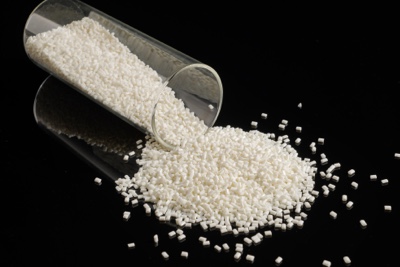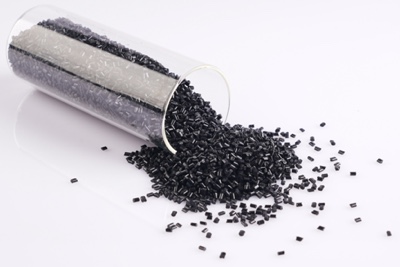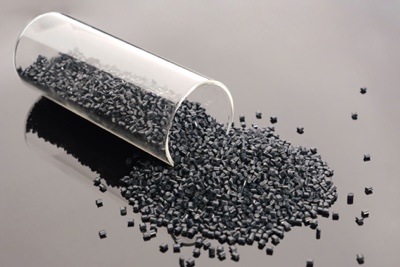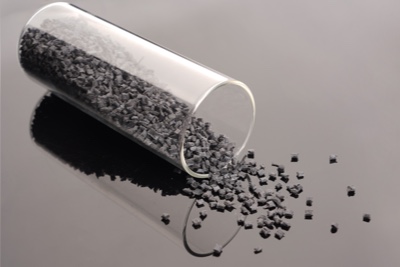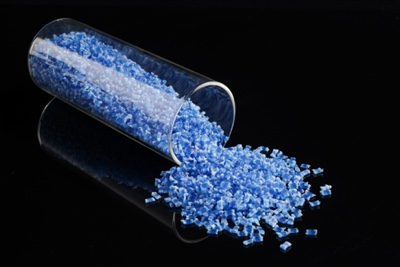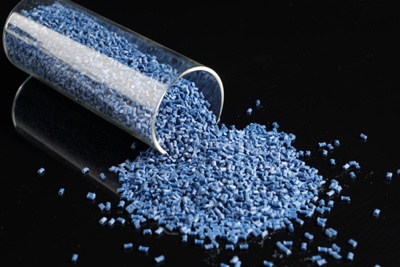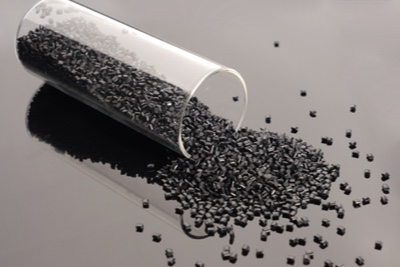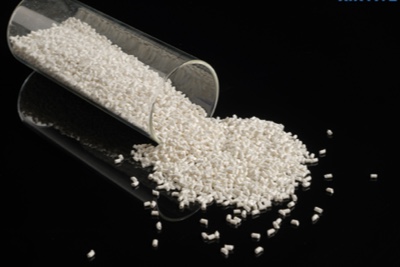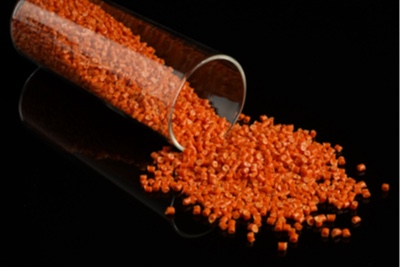
This material, also known as glass fiber reinforced PP, glass filled polypropylene, or reinforced polypropylene resin, is designed for parts needing higher mechanical performance than unfilled polypropylene. By adding glass fiber to the PP matrix, it offers improved tensile strength, flexural strength, stiffness, creep resistance, and dimensional stability under load.
It suits structural and semi-structural components that need strength, low weight, heat resistance, and cost-performance. In suitable applications, GF PP compounds may replace heavier materials or higher-cost engineering plastics. Final selection should always consider part design, processing conditions, and validation requirements.
Xinyite Plastic focuses on independent R&D, production, and sales of modified engineering plastic resins. For reinforced PP projects, we support material matching and customized formulation development. Our team can consider mechanical requirements, processing conditions, color needs, flame-retardant requirements, and end-use environments. Typical supply forms include plastic granules or resin compounds for injection molding and other suitable plastic processing methods.
Glass fiber reinforced PP provides a clear performance upgrade compared with standard polypropylene. The reinforcement helps molded parts resist deformation, maintain assembly accuracy, and deliver stronger load-bearing performance. It is useful for applications exposed to stress, temperature changes, or repeated use.
At the same time, GF PP retains key polypropylene benefits, such as relatively low density, good chemical resistance, and favorable processability. Final performance depends on glass fiber content, base resin, additive system, processing conditions, mold design, and part structure. Grade selection should be based on real application needs, not fiber percentage alone.
The main reason buyers choose glass filled polypropylene is to improve mechanical strength and rigidity. Glass fiber reinforcement helps molded components maintain shape under load. This makes the material suitable for brackets, housings, supports, covers, frames, and other parts requiring stronger structural behavior than standard PP.
Improved tensile and flexural strength compared with unfilled PP
Higher stiffness for parts that must hold shape during assembly or operation
Better creep resistance under long-term load
Useful balance between lightweight material performance and mechanical reinforcement
GF Reinforced PP can provide improved resistance to thermal deformation compared with general-purpose polypropylene. This makes it useful near motors, electrical assemblies, appliance interiors, automotive areas, or machinery environments. In these conditions, temperature variation may affect part performance.
Glass fiber reinforcement also helps reduce shrinkage and improve dimensional stability. However, part geometry, fiber orientation, gating design, and molding parameters remain important. For precision assembly parts, the right GF PP compound and proper mold design are essential for controlling warpage and maintaining stable dimensions.
Compared with some engineering plastics, reinforced polypropylene resin can offer an attractive balance of weight reduction, processing efficiency, and mechanical performance. This makes GF PP a practical choice for buyers who want to improve stiffness without moving directly to higher-cost materials.
Because polypropylene has inherently low density, reinforced PP can be especially useful where weight reduction matters. Common examples include automotive parts, power tool components, appliance structures, and industrial supports. The best results come from matching the formulation to the part's real strength, heat, impact, and processing needs.
GF Reinforced PP is not a single material grade. It is a flexible family of modified polypropylene compounds. Different glass fiber loading levels and additive systems can be selected for stiffness, strength, toughness, heat resistance, processing flow, surface appearance, color, and application environment.
Common grades may include PP GF10, PP GF20, PP GF30, and PP GF40 where technically suitable. In general, higher glass fiber content can increase stiffness and strength. It may also influence toughness, melt flow, surface quality, tool wear, shrinkage behavior, and processing requirements.
The following table provides a practical overview of common GF PP compound options. Actual performance should be confirmed through material data, processing trials, and application testing.
| GF PP Type | General Characteristics | Typical Buyer Considerations |
|---|---|---|
| PP GF10 | Lower glass fiber reinforcement with improved stiffness over standard PP while retaining better flow and toughness balance. | Suitable when moderate reinforcement, easier molding, and improved dimensional stability are required. |
| PP GF20 | Medium reinforcement level with stronger rigidity and mechanical performance than low-filled grades. | Often considered for appliance, electrical, tool, and industrial parts requiring balanced strength and processability. |
| PP GF30 | High-performance glass fiber polypropylene granules with a common balance of strength, stiffness, and heat resistance. | Suitable for buyers evaluating PP GF30 material selection for structural or semi-structural molded components. |
| PP GF40 | Higher reinforcement level for applications requiring increased stiffness and dimensional stability. | Requires attention to flowability, mold design, surface appearance, warpage control, and part toughness. |
Xinyite Plastic can support customized GF PP formulations based on project needs. Depending on the application, our formulation work may consider glass fiber content, impact resistance, heat stabilization, UV resistance, flame retardancy, color matching, processing flow, or mineral and glass hybrid reinforcement.
Our broader modified PP portfolio includes talc and mineral filled PP granules, talc filled PP TD30 plastic granules, flame retardant PP V0 resin, and low-density, low-smoke flame retardant PP V0. This wider capability supports customers who need more than a standard reinforced polypropylene grade.
GF Reinforced PP compounds are used in applications that need higher stiffness, stable dimensions, heat resistance, chemical resistance, and lightweight performance. They are relevant for buyers in automotive, household appliance, electrical, power tool, machinery, 5G telecommunication, and new energy vehicle sectors.
Application suitability should be confirmed through project validation. This is especially important for parts carrying high loads, operating near heat sources, or requiring flame-retardant, electrical, or long-term durability performance. Xinyite Plastic can help evaluate application conditions and recommend suitable reinforced PP resin directions for development and testing.
In automotive and new energy vehicle applications, glass fiber reinforced PP may be used for lightweight structural and semi-structural components. These parts often require stiffness, thermal resistance, and dimensional stability. Example applications may include brackets, interior structural supports, battery peripheral components, fan-related parts, covers, and non-critical support elements.
For these projects, buyers usually need to consider service temperature, vibration, assembly stress, chemical exposure, and dimensional tolerance. A suitable GF PP compound should be selected based on part function, mold design, processing method, and required validation tests.
For household appliances, electrical assemblies, power tools, and machinery components, GF PP can support parts requiring stronger rigidity and better heat resistance than general PP. It may be considered for appliance structural parts, fan components, pump housings, tool housings, electrical enclosures, connector-related parts, and industrial supports.
In these applications, material selection may also involve flame retardancy, color consistency, processing stability, surface appearance, and dimensional control. Xinyite Plastic's experience in functional polymer materials and modified engineering plastics helps us support formulation adjustment for different industrial use conditions.
Selecting the right glass fiber reinforced PP grade requires more than choosing a glass fiber percentage. Buyers should evaluate mechanical load, operating temperature, impact resistance, chemical exposure, part thickness, mold structure, surface requirements, color, and special modification needs.
Trade-offs are important. Higher glass fiber content usually improves strength and stiffness. It can also reduce flowability, affect surface finish, influence toughness, and increase the need for mold and processing control. Sharing complete application information helps us recommend a more accurate GF PP compound.
Before requesting a GF Reinforced PP recommendation, it is helpful to confirm the main performance goals and operating environment. Clear requirements can shorten the material matching process. They also reduce the risk of choosing a grade that is insufficient or unnecessarily over-specified.
| Selection Factor | Why It Matters | Information to Provide |
|---|---|---|
| Strength and stiffness | Determines the reinforcement level needed for load-bearing and assembly stability. | Load condition, part function, target tensile or flexural performance if available. |
| Heat resistance | Affects material behavior near motors, electrical parts, appliances, or automotive areas. | Operating temperature range and heat exposure duration. |
| Impact resistance | Higher glass fiber levels may affect toughness, so impact needs should be defined. | Drop, vibration, impact, or low-temperature impact requirements. |
| Dimensional stability | Important for assembly parts, tight tolerances, and lower warpage requirements. | Part drawing, tolerance requirements, shrinkage concerns, and mold information. |
| Special modification | Some applications may need flame retardancy, UV resistance, color matching, or improved processing flow. | Flame-retardant needs, outdoor exposure, color code, and processing method. |
GF PP processing performance is influenced by melt flow, fiber orientation, mold temperature, gate location, wall thickness, and cooling conditions. Even with a well-selected grade, final part strength, shrinkage, and warpage can vary. Mold design and molding parameters remain critical.
For injection molding projects, buyers should share existing processing conditions, mold design concerns, current material references, and part defects. This is especially useful when evaluating a replacement material. The information helps Xinyite Plastic support grade matching and formulation adjustment more effectively.
Provide drawings or 3D part structure when available.
Share the current material grade if this is a replacement project.
Confirm whether surface appearance or texture is important.
State whether flame retardancy, UV resistance, or color matching is required.
Explain the processing method and expected production conditions.
Xinyite Plastic is a high-tech manufacturer focused on functional polymer materials and high-performance modified engineering plastic resins. Established in 2001, we have more than 20 years of industry involvement. Our services include independent R&D, production, sales, customization, and one-stop material solutions for industrial applications.
For custom GF Reinforced PP, we can work with customers to adjust glass fiber content, improve toughness, support heat stabilization, develop color-matched materials, and consider flame-retardant modification. Where suitable, we can also combine mineral filling and glass fiber reinforcement. Our goal is to balance strength, safety, durability, heat resistance, dimensional stability, chemical resistance, and processability according to the actual project.
Our broader material portfolio includes reinforced nylon materials such as PA66 GF30 and PA6 GF40, PBT GF30, flame-retardant engineering plastics, ABS V0, and PC V0. It also includes PC/ABS alloy UL 94 V-0 materials, filled PP, flame-retardant PP, PMMA/ASA materials, AS GF20, and toughened PA6 for injection molding. This complete modified plastics capability helps buyers source related material families from a single technical partner.
If you are evaluating this material for a new project, we can help. We also support replacement projects that need careful material matching. Xinyite Plastic can provide material recommendations, formulation discussion, sample support, and quotation communication based on your application details. As a GF Reinforced PP manufacturer, we focus on practical engineering communication rather than only offering standard grades.
To receive a more accurate recommendation, please provide the application, part drawing, processing method, required glass fiber percentage if known, target mechanical performance, operating temperature, impact requirements, color, flame-retardant needs, annual demand, and any existing reference material. These details help us determine whether PP GF20, PP GF30, PP GF40, or a custom glass fiber reinforced PP formulation is more suitable.
Request a reinforced PP grade recommendation.
Contact Xinyite Plastic for custom GF PP compounds.
Send your application requirements for material matching.
Discuss strength, heat resistance, flame retardancy, color, and processing needs.
It is polypropylene modified with glass fiber to improve stiffness, strength, heat resistance, and dimensional stability. Our team commonly recommends this material for molded components that need better mechanical performance than standard PP.
PP GF20 contains about 20% glass fiber, while PP GF30 contains about 30%. Higher glass fiber content usually improves rigidity and strength. It may also affect toughness, surface finish, processing flow, and warpage behavior.
Yes. GF PP formulations can often be customized with flame-retardant, UV-resistant, heat-stabilized, toughened, or color-matched modifications. We recommend confirming the final material direction according to required performance and validation conditions.
Glass fiber reinforced PP is suitable for many automotive, appliance, electrical, power tool, machinery, and industrial components. It supports stiffness, dimensional stability, heat resistance, chemical resistance, and lightweight performance. For demanding parts, we recommend application testing and engineering validation.
Useful details include the application, part drawing, processing method, target strength or heat resistance, impact requirements, operating environment, color, flame-retardant needs, annual demand, and any existing reference material. With complete information, Xinyite Plastic can recommend or customize a GF PP compound more accurately.