 |
✔ 40% Glass Fiber Reinforced
Significantly improves strength, rigidity, and load-bearing performance for structural parts.
✔ High Heat Resistance (Up to 220–240°C)
Maintains mechanical stability under continuous high-temperature working conditions.
✔ Excellent Chemical Resistance
Stable against fuels, oils, acids, and aggressive industrial media.
✔ Superior Dimensional Stability
Low thermal expansion ensures precision parts remain stable under heat and stress.
✔ High Stiffness & Creep Resistance
Ideal for long-term load-bearing applications with minimal deformation.
✔ Flame Retardant (UL94 V-0 compatible)
Suitable for electrical, automotive, and high-safety environments.
| Quantity: | |
|---|---|
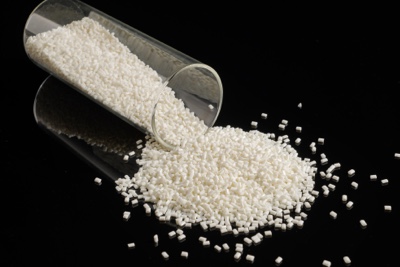
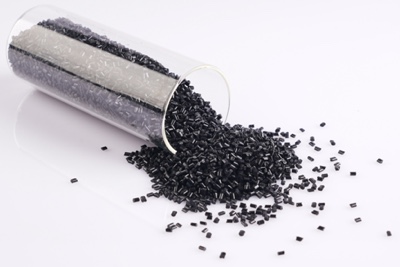
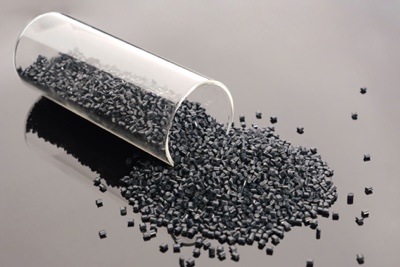
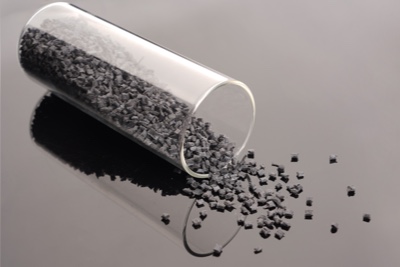
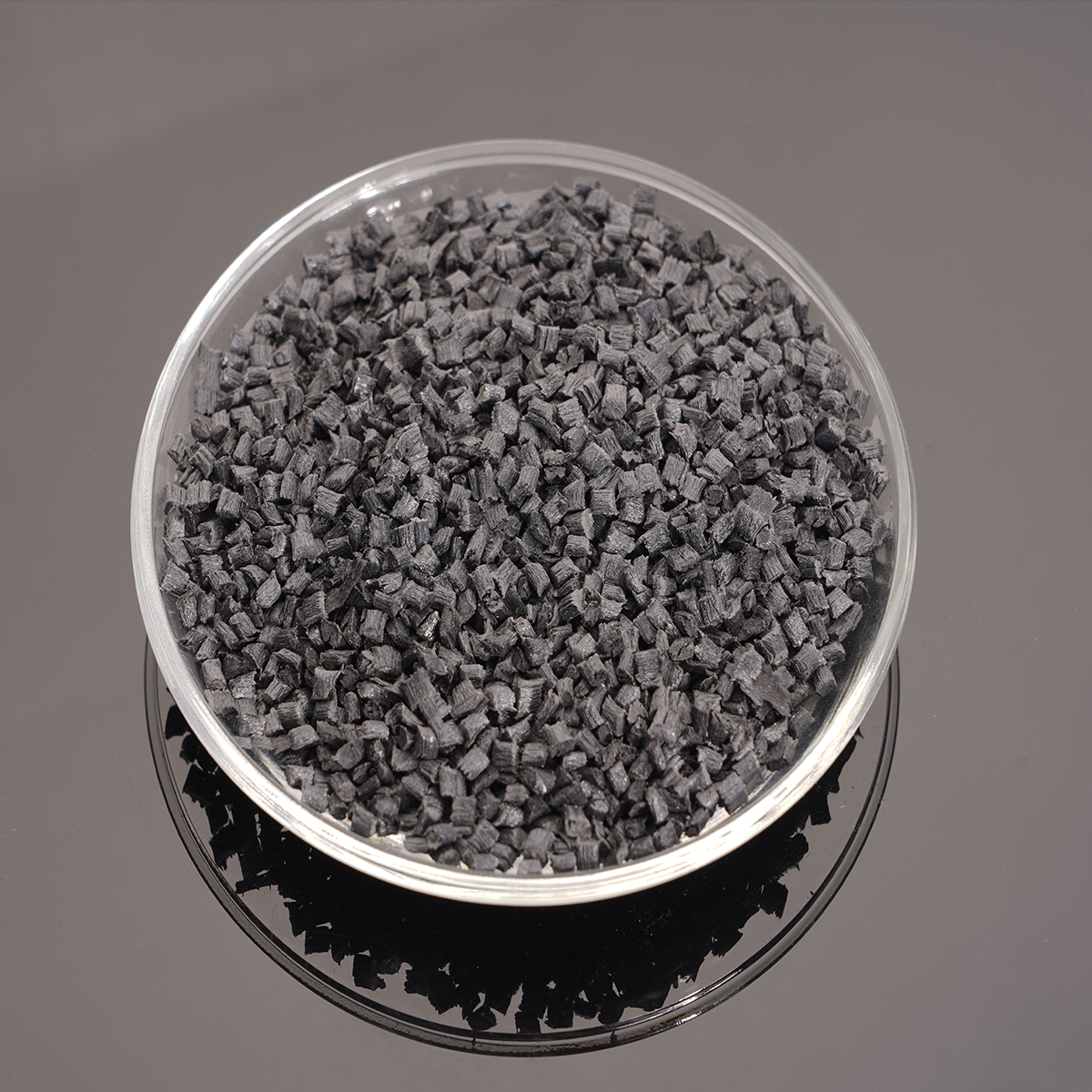
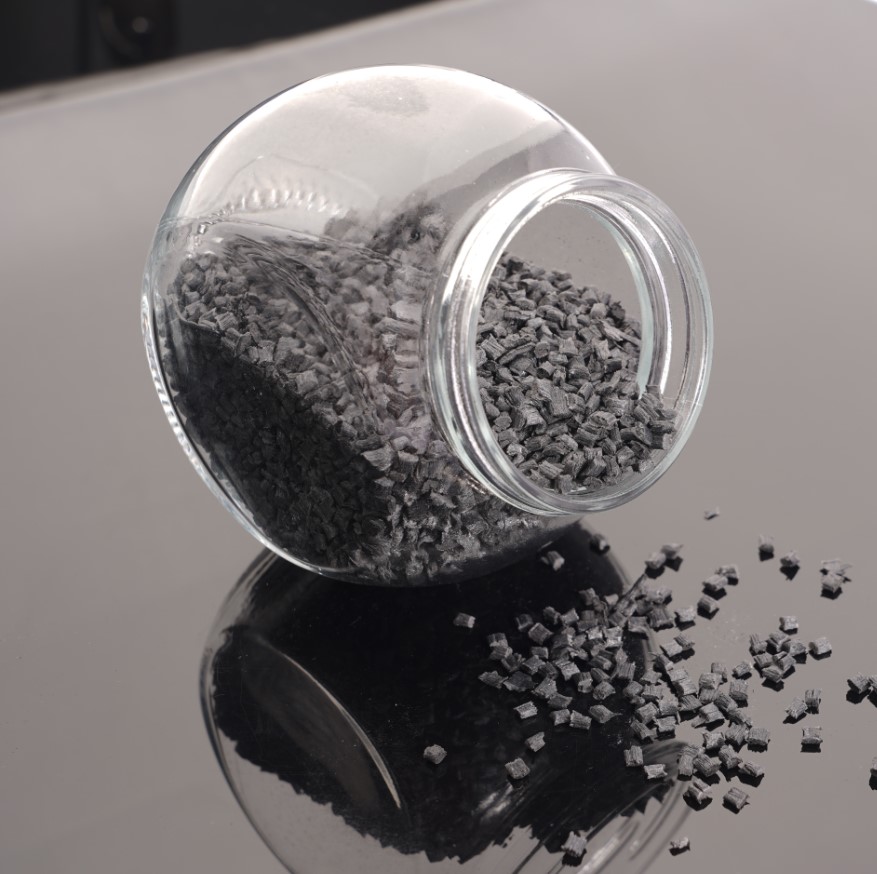
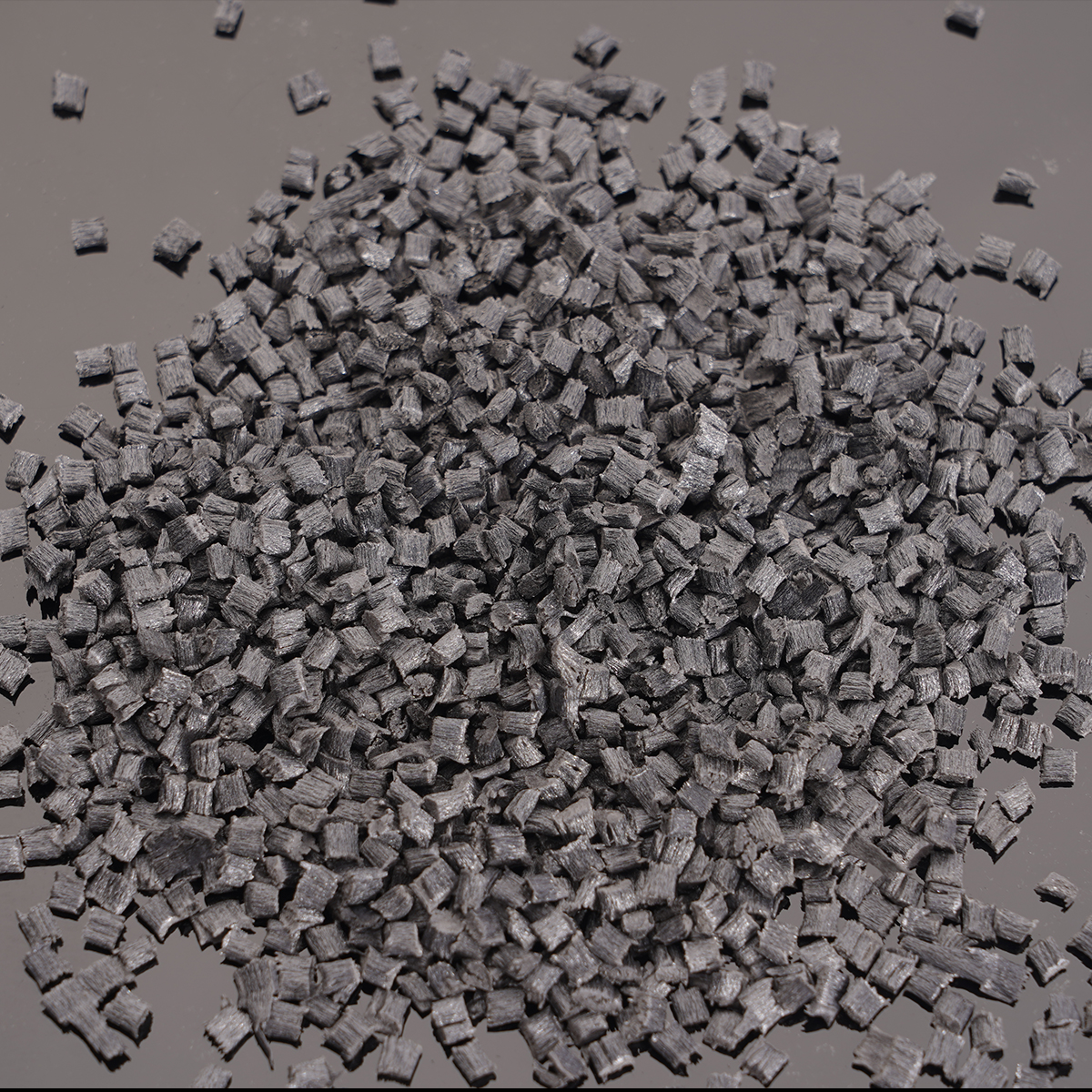
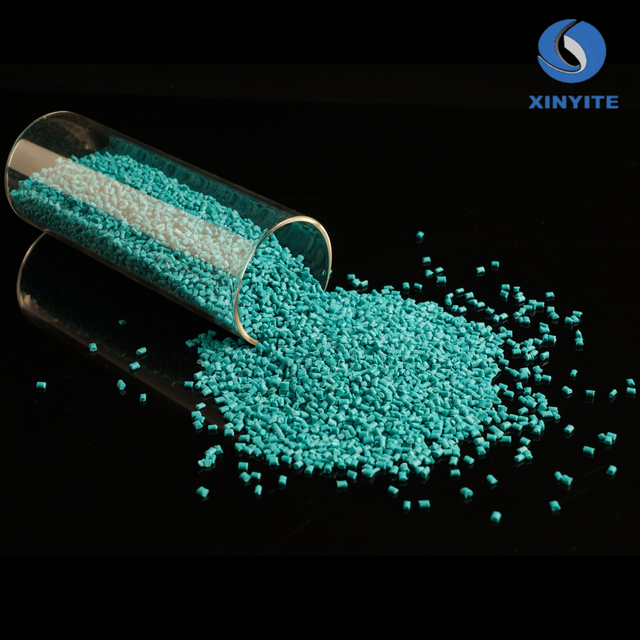
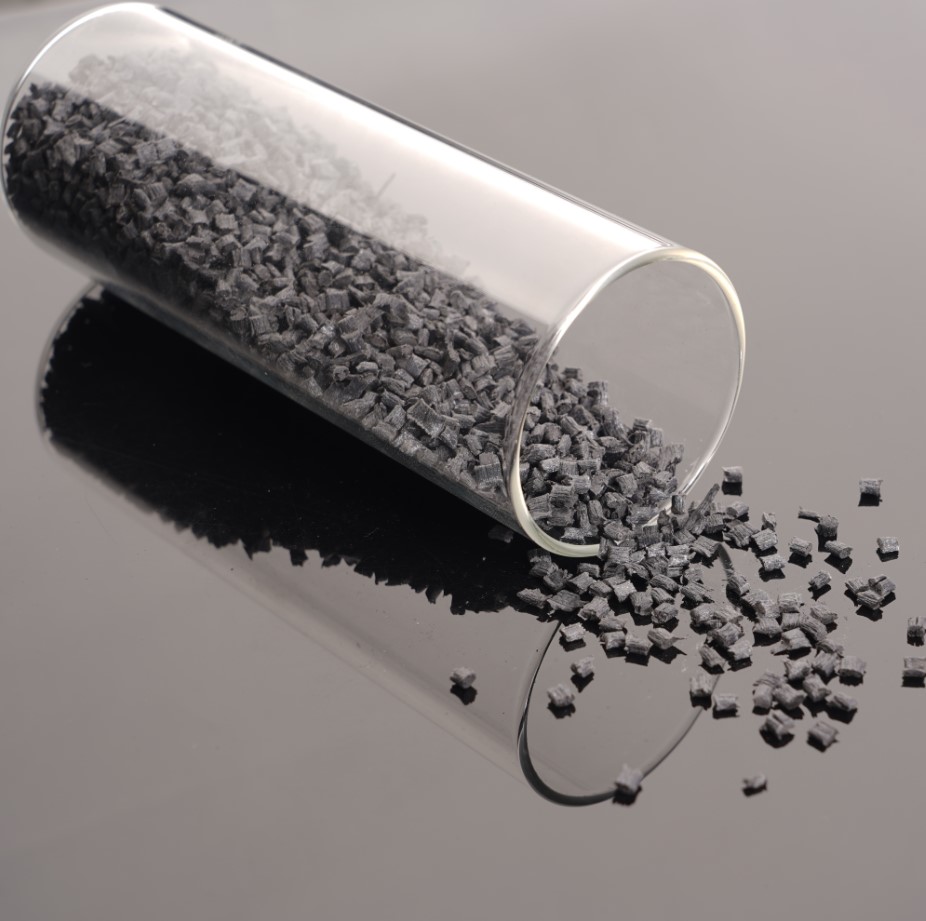
PPS GF40
XINYITE


40% Glass Fiber Reinforced Polyphenylene Sulfide (PPS GF40) is an advanced engineering plastic material designed to deliver exceptional performance in the most demanding industrial environments. By integrating a high-performance polymer matrix with a 40% glass fiber reinforcement, this material offers an optimal balance of mechanical robustness, structural integrity, and thermal stability. It is engineered specifically to meet the stringent requirements of modern manufacturing, providing a reliable and highly efficient solution for complex engineering challenges across various high-tech sectors.
The unique composition of PPS GF40 guarantees outstanding mechanical strength, non-reactive fluid resilience, and long-term durability, making it an indispensable asset for heavy-duty applications. One of its most significant attributes is its exceptional resistance to extreme heat, allowing it to maintain its structural stiffness and crystal stability in high-temperature environments where standard engineering plastics would typically fail, soften, or degrade. Furthermore, it exhibits total chemical and hydrolytic inertness, easily withstanding prolonged, high-pressure exposure to glycol-based engine coolants (antifreeze up to 135°C), synthetic oils, greases, and aggressive chlorinated industrial solvents without environmental stress cracking (ESC). The material also features specialized inherent electrical isolation and halogen-free flame barrier characteristics, making it highly suitable for protecting sensitive electronic components and smart semiconductor enclosures. For procurement professionals and engineers, these core advantages translate directly to reduced tool wear, extended component lifespans, and enhanced overall system reliability.
One of the defining performance metrics of our PPS-GF40 is its extraordinary load-bearing threshold and isotropic tensile properties. The highly dense 40% glass fiber network forms a rigid internal skeleton that uniformly dissipates multi-directional mechanical stress, delivering a massive flexural modulus benchmark of 14,000 – 16,500 MPa. This exceptional baseline structural stiffness securely mitigates the risk of sudden mechanical fatigue or long-term compressive creep, ensuring components maintain their geometric integrity even under prolonged, high-load static conditions.
In severe industrial and under-hood environments where cyclical friction and ambient heat approach material melting boundaries, this compound maintains uncompromised crystalline stability. With a baseline polymer melting point of 280°C, this 40% glass fiber reinforced grade achieves an elite Heat Deflection Temperature (HDT) of 260°C – 265°C under a heavy 1.80 MPa load. This high thermal retention effectively prevents polymer softening, micro-cracking, or thermal-oxidative degradation during long-term operational exposure to continuous elevated temperatures.
Controlling anisotropic shrinkage and post-molding warpage is a critical bottleneck in precision semiconductor enclosures and smart electronic applications. PPS-GF40 restricts mold shrinkage to an ultra-strict 0.2% – 0.5% range, combined with a near-zero moisture absorption equilibrium (~0.02% via ISO 62). This structural non-reactivity ensures that molded components retain strict dimensional tolerances over their entire service life, eliminating warpage and precision tolerance drift even when subjected to intense humidity fluctuations or aggressive high-frequency electronic fields.
Modern automotive thermomanagement and heavy industrial processing demand absolute resilience against chemical attack. XYT Plastic's PPS-GF40 exhibits complete hydrolytic stability and fluid non-reactivity when continuously exposed to glycol-based coolant radiants (antifreeze at 135°C), high-pressure synthetic engine oils, aggressive automotive fluids, and corrosive chlorinated industrial solvents. This chemical shielding securely eliminates environmental stress cracking (ESC), securely extending the operational lifecycle of fluid-carrying impellers and valve blocks.
PPS-GF40 (Polyphenylene Sulfide with 40% Glass Fiber) is specifically engineered for demanding smart electronics, high-efficiency automotive, and severe fluid-handling industrial environments. By providing a reliable balance of structural integrity and thermal endurance, this material helps manufacturers reduce selection risks and enhance the long-term stability of their end products. Below are the primary application scenarios where this reinforced resin delivers significant purchasing value.
Electronic Components: Frequently utilized for manufacturing high-performance connectors, sockets, terminal blocks, circuit board enclosures, and smart meter components that demand excellent continuous thermal resistance, volume resistivity ($10^{14}\text{ }\Omega\cdot\text{cm}$), and intrinsic flame barrier protection without toxic halogenated additives.
Industrial Equipment: Perfectly suited for pump housings, electric water pump impellers, heavy-duty industrial multi-way valves, conveyor rollers, and heavy mechanical parts that are continuously exposed to harsh chemicals, high pressure, abrasions, and mechanical wear, as well as machined stock shape rods and plates.
Precision Engineering: Serves as an excellent structural foundation for high-wear precision gears, bearing cages, fan blades, compressor parts, and heavy-duty tool housings that require exact geometric specifications, tight manufacturing tolerances, zero precison-drift, and long-term dynamic fatigue resistance.
Manufactured with the utmost attention to detail, our PPS GF40 plastic material adheres to rigorous quality control standards, guaranteeing a product that consistently meets and exceeds customer expectations. We understand that reliable material sourcing is critical for manufacturing success and maintaining production schedules. Therefore, our team of experts ensures that every single batch of PPS GF40 undergoes thorough qualitative testing to verify its structural consistency, purity, and processing stability. By maintaining these strict quality protocols, we help industrial buyers minimize procurement risks, reduce production downtime, and ensure that the final manufactured goods deliver superior, long-lasting performance in the field.