Views: 0 Author: Site Editor Publish Time: 2026-08-27 Origin: Site
The transition from traditional metal enclosures to advanced polymers is altering electric vehicle architecture. Higher energy density and extended range dictate this change. Engineering teams face a strict mandate: reduce weight without sacrificing structural integrity, thermal runaway protection, or high-voltage electrical insulation. You cannot rely on legacy metals to meet these aggressive targets. This guide delivers a technical evaluation framework for selecting optimal engineering plastics. We break down performance metrics, manufacturing efficiency, and regulatory compliance. You will learn how to match specific polymers to the exact mechanical, thermal, and chemical demands of modern Battery Module Components. We focus on practical application, material limits, and assembly realities on the production floor.
Weight vs. Range Optimization: Replacing metal with advanced polymers like CFRP or glass-filled nylons can significantly reduce the weight of battery module components, directly improving EV range.
Thermal and Electrical Safety: High-voltage environments require materials with high Comparative Tracking Indices (CTI) and V-0 flame retardancy (UL 94) to mitigate thermal runaway risks.
Manufacturing Efficiency: Utilizing injection-molded plastics enables part consolidation, reducing the number of individual components and streamlining the assembly process for lower overall production costs.
Component-Specific Matching: There is no universal material; selection must be mapped to the specific mechanical, thermal, and chemical demands of cell holders, busbar covers, and structural enclosures.
Table of Contents
Reducing component mass directly increases the overall energy density of a battery pack. Every kilogram saved in the structural housing allows for more active cell chemistry. This translates directly into extended vehicle range. Engineering plastics offer a superior specific strength compared to traditional aluminum and steel. Specific strength measures a material's strength-to-weight ratio. For context, standard automotive aluminum has a density of roughly 2.7 g/cm³. A 30% glass-fiber reinforced polyamide (PA66 GF30) sits around 1.3 g/cm³. You cut the material weight in half while maintaining the necessary rigidity for internal structural supports.
Modern engineering relies heavily on a top-down design approach. This method integrates battery module components directly into the vehicle chassis. Cell-to-Pack (CTP) and Cell-to-Chassis (CTC) architectures exemplify this trend. By eliminating redundant structural mass, engineers maximize available space. Lightweight composites play a central role here. They form the structural foundation that supports the cells while absorbing road vibrations. You can replace heavy steel brackets with reinforced polymers to shed unnecessary weight. This approach optimizes the entire vehicle platform for maximum efficiency and payload capacity.
Injection molding changes how we manufacture battery components. It allows engineers to design highly complex geometries that metals cannot replicate without extensive machining. You can integrate mounting points, cooling channels, snap-fits, and structural ribs into a single molded part. This capability eliminates the need for multiple smaller pieces. Part consolidation streamlines the entire manufacturing workflow and reduces inventory tracking overhead.
Fewer parts mean fewer fasteners. Reducing the reliance on screws, bolts, and adhesives lowers the bill of materials. It also drastically reduces assembly time on the line. A simplified assembly process leads to faster throughput. Secondary operations, such as CNC machining, deburring, or ultrasonic welding, are often completely removed. This high level of manufacturing efficiency offsets the initial capital required for injection molding tooling. The result is a highly scalable production model that supports high-volume vehicle manufacturing with tight cycle times.
Thermal runaway is the most severe safety risk in electric vehicles. Plastics used near battery cells must meet stringent safety standards. The UL 94 V-0 standard is the baseline requirement for flame retardancy. Materials must self-extinguish within 10 seconds after ignition. They must also prevent the dripping of flaming particles that could ignite adjacent materials. Achieving this requires specialized compounding with non-halogenated flame retardants, such as red phosphorus or metal hydroxides.
Innovative battery pack designs leverage anisotropic thermal conductivity. Standard plastics are thermal insulators, which can trap heat. However, engineers compound them with specific ceramic fillers like boron nitride to direct heat. Anisotropic materials conduct heat efficiently in one direction while insulating in another. This property draws heat away from sensitive cells toward liquid cooling plates. Simultaneously, it insulates adjacent modules to prevent the propagation of thermal runaway. This targeted heat management gives engineered polymers a distinct advantage over isotropic metals.
Electric vehicle architectures are rapidly shifting from 400V to 800V systems to enable faster charging. Higher voltages increase the risk of electrical arcing. Arcing can destroy components and trigger fires. Dielectric strength measures a material's ability to withstand high voltage without breaking down. Engineering plastics naturally possess high dielectric strength, often exceeding 20 kV/mm, making them excellent insulators for high-voltage busbars and terminals.
The Comparative Tracking Index (CTI) is equally important. CTI measures a material's resistance to electrical tracking across its surface. Contaminants like moisture, condensation, or metallic dust can create conductive paths. High-voltage environments require materials with a CTI rating exceeding 600V (PLC 0). Selecting polymers with high CTI ratings ensures long-term electrical safety. It prevents short circuits between closely packed cells and high-voltage distribution lines over the vehicle's operational life.
Battery modules endure constant physical stress. They must survive daily road vibrations, sudden impacts, and extreme temperature shifts. Shock absorption is a primary requirement. Plastics dampen vibrations better than rigid metals. This dampening protects the delicate internal structure of the cylindrical or pouch cells from mechanical fatigue and micro-cracking.
Engineers evaluate tensile strength (ISO 527) and flexural modulus (ISO 178) to determine a material's load-bearing capacity. The chosen polymer must maintain dimensional stability across a wide temperature range. EV batteries operate in environments fluctuating from -40°C to +85°C. Materials that warp or shrink under these extremes will compromise the module's structural integrity and break environmental seals. Glass-fiber reinforcement is often used to lower the coefficient of linear thermal expansion (CLTE) and maintain tight tolerances.
The internal environment of a battery pack is chemically aggressive. Components are exposed to various reactive substances. Battery electrolytes contain harsh lithium salts (like LiPF6) and organic solvents (like ethylene carbonate). Dielectric cooling fluids circulate throughout the module. Automotive chemicals, such as brake fluid, glycol coolants, or road salts, may also breach the outer enclosure.
Polymers must resist chemical degradation over the vehicle's lifespan. Chemical attack causes plastics to swell, crack, embrittle, or lose mechanical strength. Semi-crystalline polymers generally offer superior chemical resistance compared to amorphous plastics. Evaluating long-term chemical compatibility prevents premature component failure. It ensures the battery pack remains safely sealed and structurally sound for a decade or more of field use.
Polymer Type | Density (g/cm³) | CTI Rating | Flame Retardancy | Primary Application |
|---|---|---|---|---|
Polypropylene (FR-PP) | 1.05 - 1.20 | >600V | UL 94 V-0 (with additives) | Cell holders, internal spacers |
Polyamide (PA66 GF30) | 1.30 - 1.40 | >600V | UL 94 V-0 | End plates, structural brackets |
Polycarbonate (PC/ABS) | 1.15 - 1.25 | 250V - 400V | UL 94 V-0 (inherent) | BMS housings, sensor covers |
Polybutylene Terephthalate (PBT) | 1.30 - 1.50 | >600V | UL 94 V-0 | High-voltage connectors, busbars |
CFRP (Epoxy Matrix) | 1.50 - 1.60 | N/A (Conductive) | Varies by resin | Battery enclosures, base plates |
Polypropylene and Polyethylene are highly cost-effective options for mass production. They are best suited for cell holders, internal separators, spacers, and low-stress structural components. PP offers excellent chemical resistance against battery electrolytes and cooling fluids. It also provides strong shock absorption capabilities. This flexibility helps prevent mechanical damage to the cells during vehicle operation and rough road conditions.
PE provides a reliable baseline for electrical insulation. However, neither material is inherently flame retardant. Both require specialized flame-retardant additives to meet strict EV safety standards like UL 94 V-0. Adding these compounds can slightly reduce their mechanical properties and alter melt flow during injection molding. Despite this trade-off, modified PP remains a dominant choice for bulk internal components due to its low density, processing ease, and excellent moisture resistance.
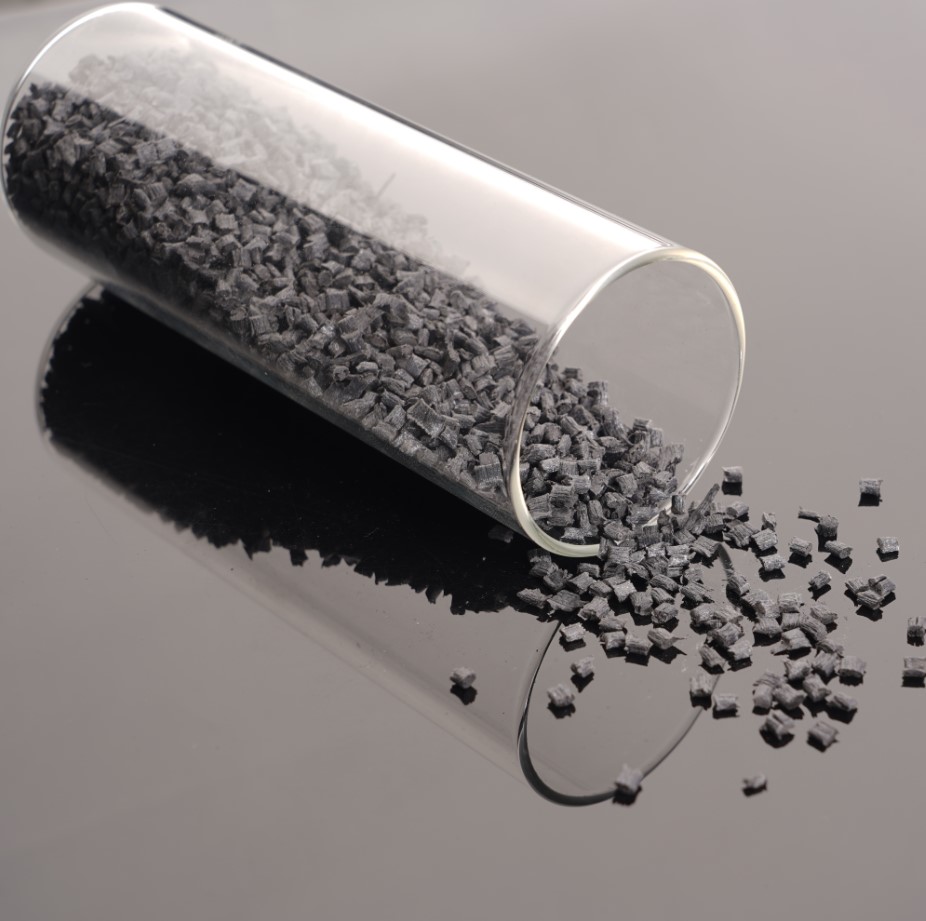
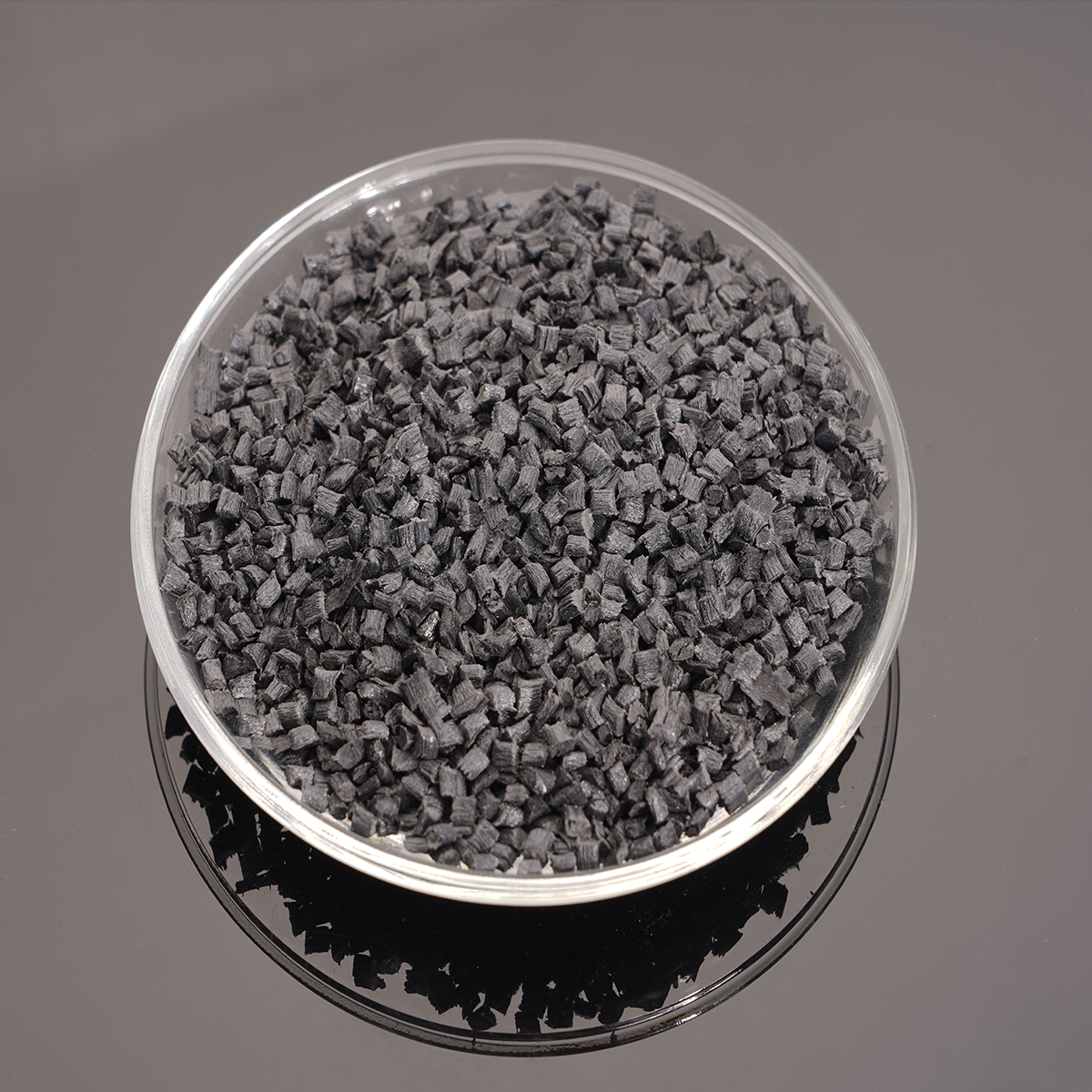
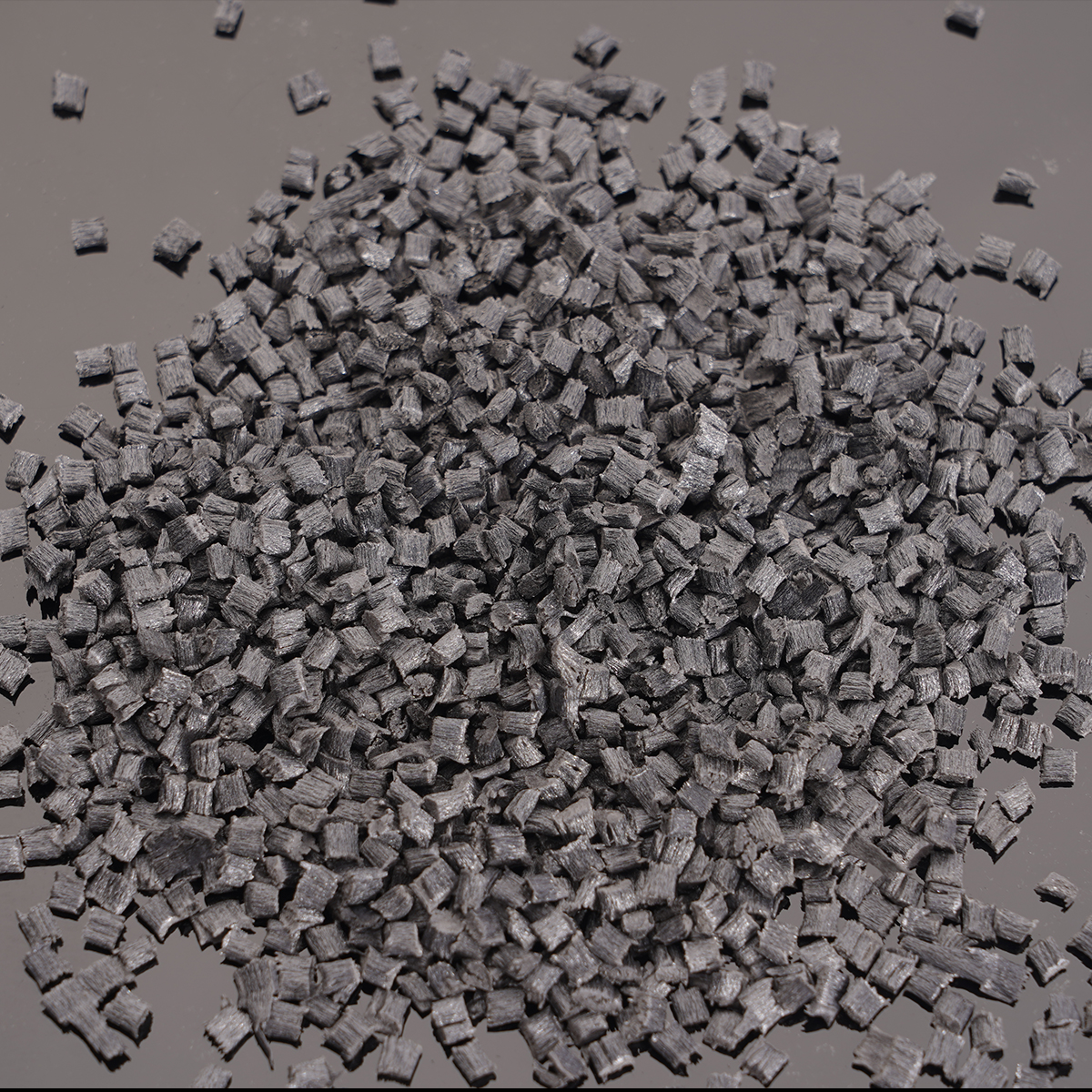
Polyamide, commonly known as Nylon, is an engineering workhorse. It is best used for end plates, structural brackets, and busbar covers. PA delivers high mechanical strength and excellent thermal stability. When reinforced with 30% to 50% glass fibers, its rigidity rivals some die-cast metals. This makes it ideal for components that must hold battery cells tightly under compression to prevent swelling during charge cycles.
You must carefully manage moisture absorption when using Polyamide. Nylon absorbs water from the environment, which acts as a plasticizer. This absorption alters its dimensional stability and lowers its tensile strength. Engineers often select specific grades, like PA610 or PA12, which absorb significantly less moisture than standard PA66. Properly formulated PA compounds maintain high CTI ratings, making them safe for high-voltage busbar insulation and terminal blocks.
Polycarbonate offers exceptional dimensional stability and impact resistance. It is best suited for Battery Management System (BMS) housings and sensor covers. PC maintains its mechanical properties across a wide temperature range, resisting embrittlement in sub-zero conditions. It also possesses inherent flame retardancy, requiring fewer additives to achieve a V-0 rating compared to polyolefins.
Blending PC with Acrylonitrile Butadiene Styrene (ABS) creates a highly versatile material. PC/ABS blends offer improved processability, lower warpage, and better low-temperature impact strength. However, PC has lower chemical resistance to certain automotive solvents compared to semi-crystalline polymers like PP or PA. Engineers must ensure PC components are shielded from direct exposure to aggressive cooling fluids, lubricants, or leaked electrolytes to prevent environmental stress cracking.
High-performance polymers handle the most extreme environments within the battery pack. Materials like PTFE, Polyimide, and PEEK are best for high-voltage insulators, flexible printed circuits, and extreme-temperature applications. They have proven highly effective as insulators in 800V architectures. They resist electrical arcing and maintain dielectric strength at continuous operating temperatures exceeding 200°C.
The primary limitation of these polymers is cost. They are significantly more expensive than standard engineering plastics. Processing them also requires specialized high-temperature equipment and extended cycle times. Therefore, their use is highly selective. Engineers reserve these materials only for critical zones where standard plastics would fail under thermal or electrical stress, such as direct contact points with high-current contactors.
Carbon Fiber Reinforced Plastics represent the peak of structural lightweighting. They are best for battery enclosures, base plates, and top-down lightweighting initiatives. CFRP offers metal-like tensile strength with a fraction of the weight. This material is crucial for achieving aggressive vehicle performance targets, offsetting heavy cell mass, and maximizing driving range.
Evaluating CFRP requires a careful return on investment calculation. Both the raw material and the manufacturing processes are expensive. Unlike rapid injection molding, forming CFRP often involves complex layup, resin transfer molding (RTM), and long curing cycles. However, the weight savings can allow for a smaller battery pack to achieve the same range, offsetting the initial material expense. CFRP provides unmatched crashworthiness, absorbing massive impact energy to protect the internal modules during severe collisions.
Cell holders secure individual battery cells, preventing movement and absorbing road vibrations. The success criteria for these components include strict dimensional accuracy, excellent vibration dampening, high shock absorption, and V-0 flame retardancy. They must hold tight tolerances (often +/- 0.05mm) to ensure consistent cooling channels between cells and prevent localized hot spots.
The recommended shortlist for cell holders includes Flame-Retardant Polypropylene (FR-PP), PC/ABS blends, and modified Polyphenylene Ether (PPE). FR-PP is the most common choice due to its low weight and cost. Modified PPE offers superior dimensional stability, higher heat deflection temperatures, and lower moisture absorption, making it an excellent upgrade for high-performance modules requiring precise cell alignment.
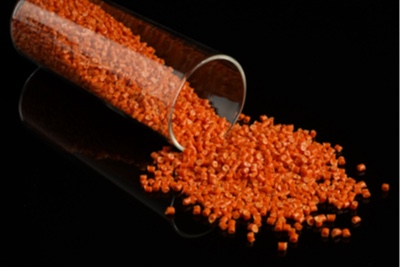
Busbars carry high currents between battery modules. Their insulation must prevent electrical arcing and short circuits. The success criteria demand a high Comparative Tracking Index (CTI >600V), high dielectric strength, and long-term color stability. High-voltage components must remain distinctly orange (RAL 2003) for safety identification throughout the vehicle's life, resisting UV degradation and thermal yellowing.
The shortlist for busbar insulation includes PA66, Polybutylene Terephthalate (PBT), Polyimide films, and PTFE. PBT is highly favored because it maintains excellent electrical properties in humid environments and exhibits very low moisture absorption compared to PA66. Polyimide films are used for flexible busbars, providing thin, lightweight insulation that withstands high temperatures during rapid DC fast-charging cycles.
The outer enclosure protects the entire battery system from the external environment. Success criteria include severe crash resistance, EMI/RFI shielding, and strict environmental sealing (IP67/IP69K). The enclosure must prevent high-pressure water, dust, and road debris from penetrating the module and causing catastrophic shorts.
The shortlist includes CFRP, Glass-filled PA, and Sheet Molding Compound (SMC). Design innovation has led to the use of double wall construction concepts. This approach uses advanced plastics to create an inner and outer wall. The air gap or insulating structural foam between the walls provides enhanced thermal isolation. This design delivers superior crash protection for the internal Battery Module Components while keeping the cells insulated from extreme external temperatures during winter driving.
Transitioning to injection-molded plastics requires significant upfront investment. Large-tonnage injection molding tools for battery enclosures are expensive to design and manufacture. Machining P20 or H13 steel molds for glass-filled polymers requires precision and hardened surfaces to resist abrasion. Engineering teams must justify this high initial capital expenditure based on production volume.
Part consolidation drastically reduces assembly time. Eliminating metal stamping, welding, and anti-corrosion coating processes lowers the ongoing production costs. When producing hundreds of thousands of vehicles, the per-part cost of plastic drops significantly. The long-term return on investment quickly outpaces the initial tooling expenses. Faster cycle times and reduced labor make plastics highly economical at scale.
The demand for EV-grade plastics is surging globally. This creates risks associated with supply chain volatility. Sourcing specialized non-halogenated flame-retardant additives can be challenging during market shortages. High-performance resins like PEEK or specific PTFE grades have limited global production capacities and are subject to allocation by chemical manufacturers.
Engineers must qualify multiple material grades from different suppliers early in the design phase. Relying on a single proprietary polymer blend creates a production bottleneck. Developing a flexible bill of materials ensures production lines keep running even if a specific resin faces supply chain disruptions or sudden lead-time extensions.
Sustainability mandates are reshaping material selection. European and North American regulations increasingly demand high recyclability for automotive components. You must evaluate the end-of-life impact of your chosen plastics. Thermoplastics like PP, PA, and PC are generally recyclable. They can be shredded, melted down, and repurposed into non-structural components, aligning with circular economy goals.
Conversely, thermoset composites and CFRP present significant recycling challenges. Once cured, thermosets cannot be easily melted or reshaped. Extracting carbon fibers from the epoxy resin matrix is energy-intensive and degrades the fiber length. Engineering teams must balance the immediate lightweighting benefits of CFRP against future regulatory penalties for low recyclability and landfill restrictions.
Initiate material testing and prototyping with selected thermoplastic grades to verify dimensional stability.
Engage custom compounders to formulate specific flame-retardant and thermally conductive blends tailored to your thermal management strategy.
Validate mold flow analysis with injection molding partners to ensure manufacturability and identify potential warp zones.
Conduct physical testing for CTI ratings and UL 94 compliance before finalizing the bill of materials.
For manufacturers developing demanding EV battery applications, Xinyite focuses on modified engineering plastics and material solutions designed to meet diverse performance and processing requirements. With experience in engineering plastic modification and application development, Xinyite can support material selection for battery module components requiring a balance of mechanical strength, electrical performance, thermal stability, and manufacturing efficiency.
A: Plastics reduce overall weight, offer inherent electrical insulation, and provide superior shock absorption. They allow for the consolidation of multiple parts into a single molded component. This integration eliminates fasteners and secondary operations, significantly reducing assembly costs and manufacturing time on the production floor.
A: Materials like PTFE, Polyimide, and specific grades of PBT or PA66 are highly effective. They possess high dielectric strength and excellent Comparative Tracking Index (CTI) ratings exceeding 600V. This makes them ideal for preventing electrical arcing in high-voltage, high-temperature applications like 800V architectures.
A: Yes, when engineered correctly. Carbon Fiber Reinforced Plastics (CFRP) and heavy glass-filled polyamides offer exceptional tensile strength and crashworthiness. Their specific strength often matches or exceeds the performance of traditional aluminum, absorbing massive impact energy to protect internal cells from rupture.
A: Plastics used in battery modules are compounded with specialized non-halogenated additives to achieve UL 94 V-0 flame retardancy. Some advanced plastics utilize anisotropic thermal conductivity. This directs heat away from sensitive cells toward cooling systems while insulating adjacent areas to prevent fire propagation.
A: Thermoplastics like PP, PE, and PC are generally recyclable and align with circular economy goals. They can be melted and reused. However, thermoset plastics and complex composites like CFRP present more significant recycling challenges at the vehicle's end-of-life due to their cross-linked chemical structures.
A: It is an innovative design concept using advanced plastics to create an inner and outer wall for the battery enclosure. This approach leverages the thermal and structural properties of plastics to provide enhanced thermal insulation, crash protection, and structural rigidity for the internal components.