
Engineered Plastic Solutions for Electrical & Electronics
Xinyite Plastic supplies modified engineering plastics for electrical connectors, relay bobbins, meter housings, and switch components. Our flame-retardant and reinforced PBT, PA6, PA66, ABS, and PC compounds are developed to meet application-specific requirements for electrical insulation, heat resistance, mechanical strength, and dimensional stability.
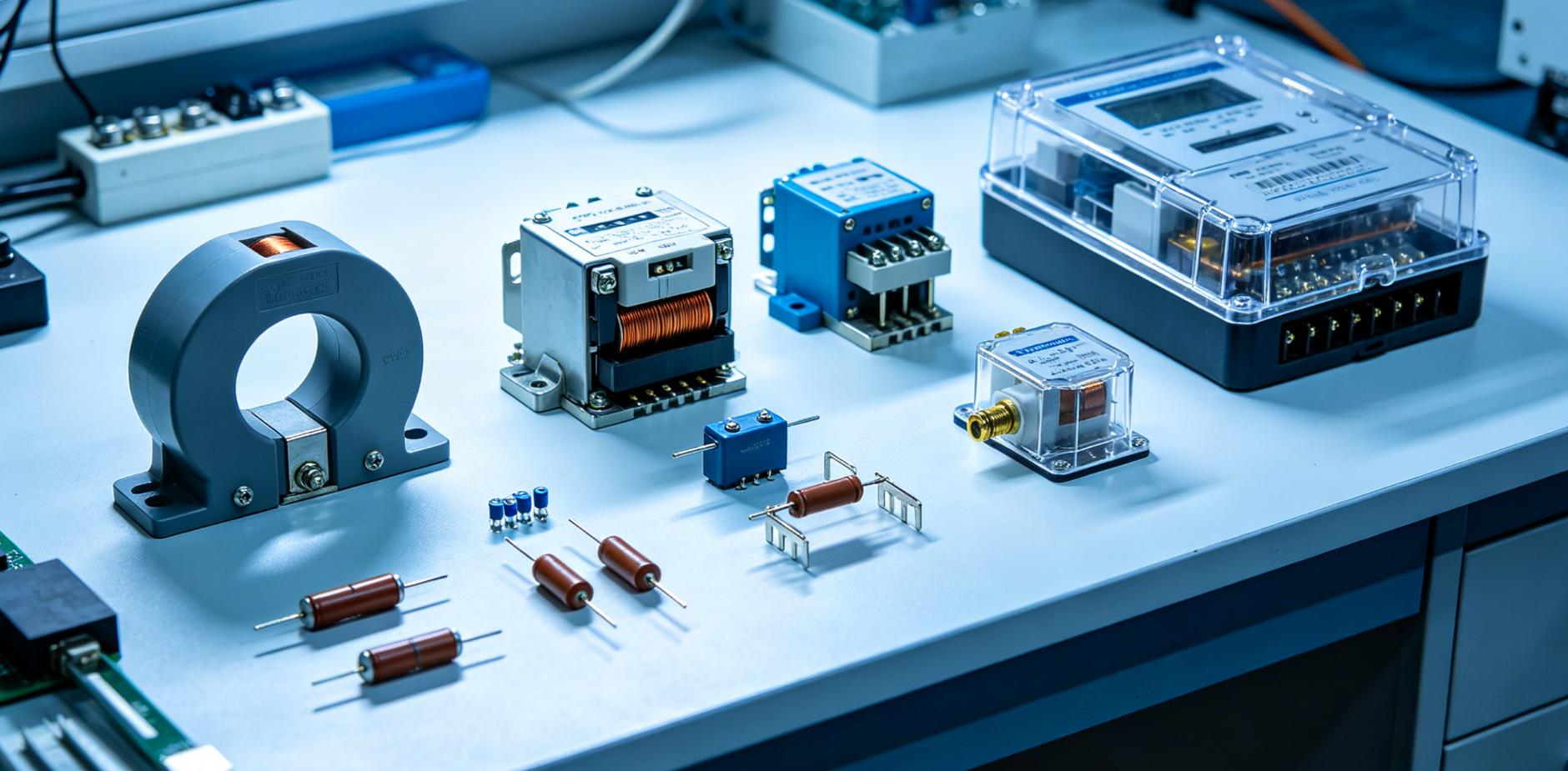
Modified Plastics for Electrical & Electronic Components
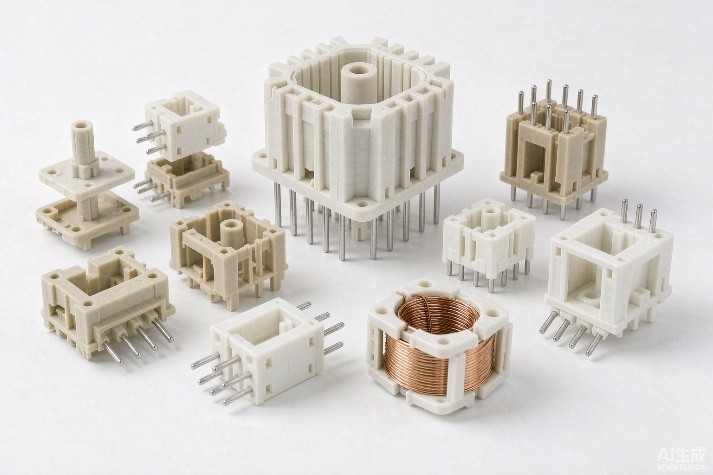
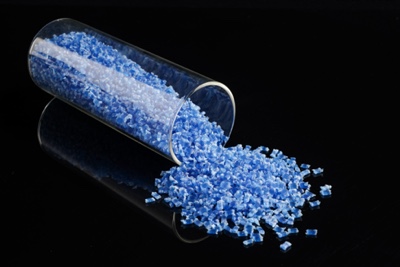
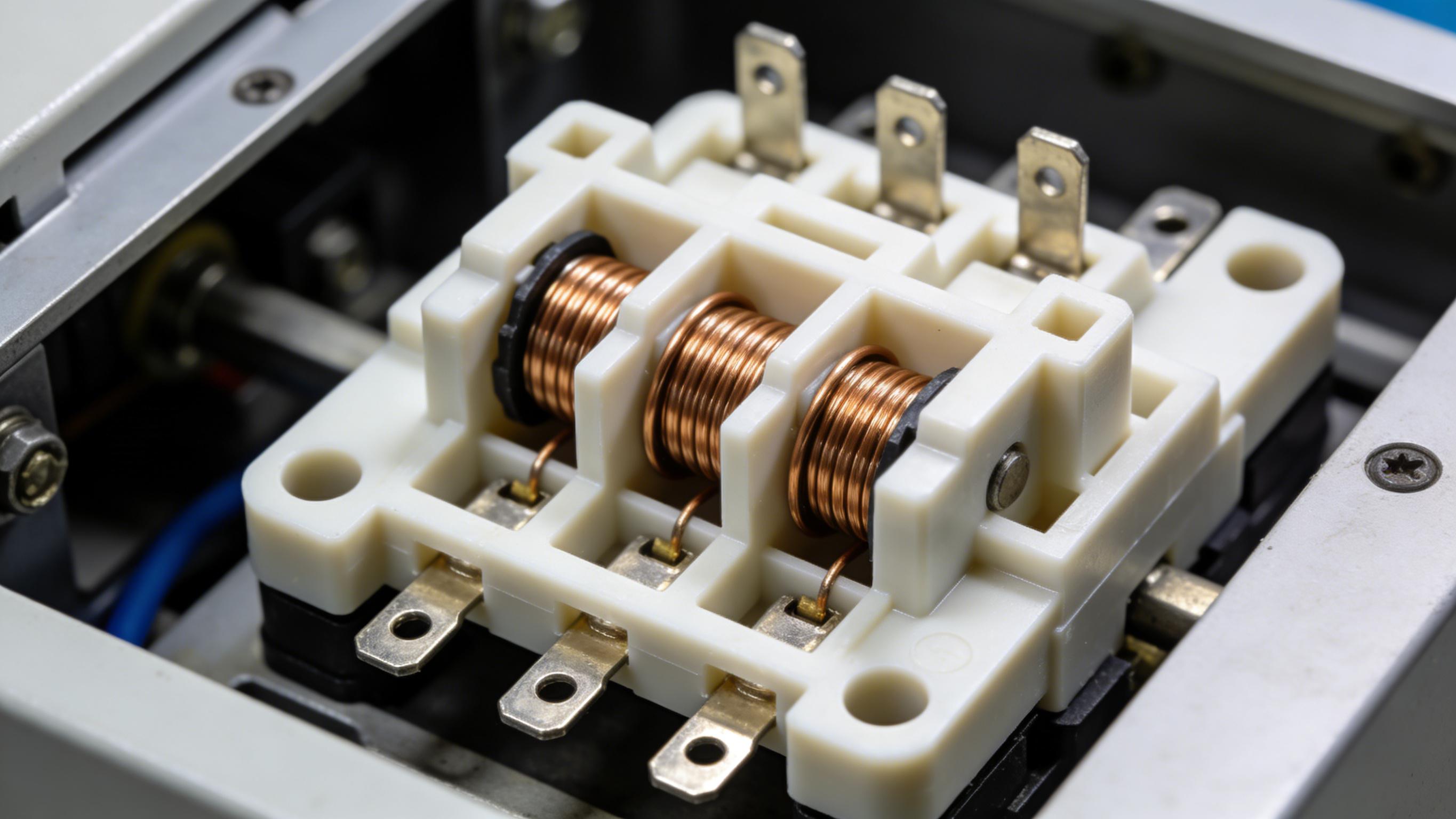
PBT GF30 V-0 for Coil Formers & Relay Bobbins
Flame-retardant glass fiber reinforced PBT is suitable for precision-molded coil formers and relay bobbins. It offers a combination of rigidity, heat resistance, electrical insulation, and dimensional stability for electrical and electronic components.
Key Advantages
UL94 V0 flame retardant rating: self-extinguishing within 10 seconds after flame removal, meeting safety requirements for parts near live circuits and hot windings.
Glass-fiber reinforced PBT delivers high rigidity and excellent dimensional stability, so the bobbin keeps precise dimensions for consistent winding and stable coil performance.
Outstanding heat resistance tolerates the continuous heat from energized coils and soldering processes such as wave soldering.
Low moisture absorption keeps electrical insulation stable even in humid environments.
Good creep resistance maintains tight tolerances under long-term clamping and wire tension.
PA66 / PA6 GF V-0 — Wire Harness Connectors
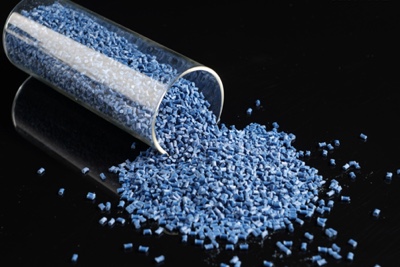
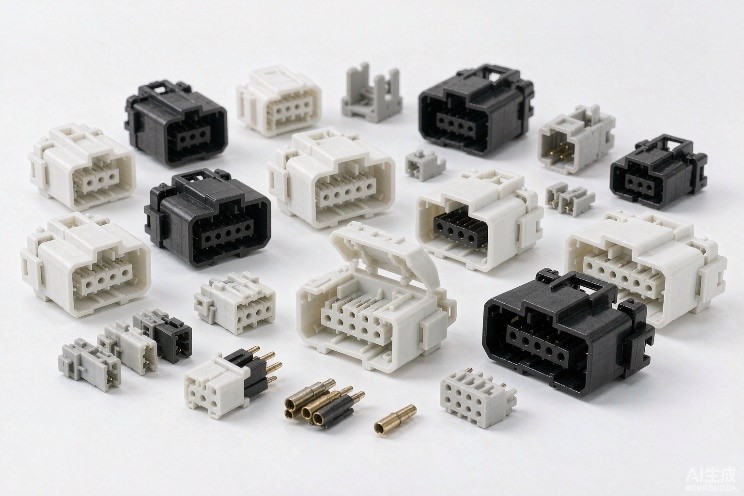
Glass fiber reinforced PA66 and PA6 compounds are suitable for wire harness connectors, electrical terminals, and connector housings. These modified nylon materials combine mechanical strength, thermal performance, and dimensional stability to support reliable connections in electrical and electronic assemblies.
Key Advantages
UL94 V0 flame retardant rating provides the fire safety required for connectors carrying live current.
Glass-fiber reinforced PA66 (or PA6) offers high mechanical strength and stiffness, so terminals stay secure under repeated plugging, unplugging and cable pull.
Good heat resistance copes with the temperature rise at terminals and contact points.
High dielectric strength and good tracking resistance (CTI) support safe electrical insulation.
Flexible choice: PA66 suits higher-temperature applications, while PA6 offers a more economical option with a well-balanced performance - both available as V0 flame-retardant grades.
Flame-Retardant ABS - Electric Meter Housings
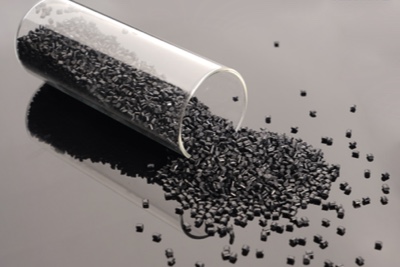
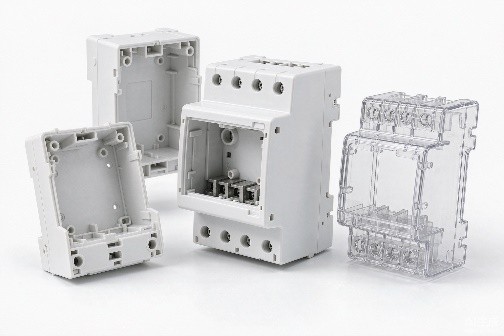
Flame-retardant ABS compounds provide a balance of impact resistance, moldability, and surface quality for electric meter housings, covers, and electrical enclosures. Modified ABS grades can support complex housing designs while meeting application-specific flame-retardancy and mechanical performance requirements.
Key Advantages
UL94 V0 flame retardant rating meets the safety requirements for meter housings installed in homes and public spaces.
Good impact strength and toughness protect the meter and its internal components from handling and installation shocks.
Excellent surface finish and paintability enable clean, brandable housings with a smooth, professional appearance.
Easy injection molding and stable dimensions make medium-to-large housings economical to produce.
A cost-effective choice for large enclosures compared with engineering plastics, without compromising on safety.
PC V0 - Switch Panels
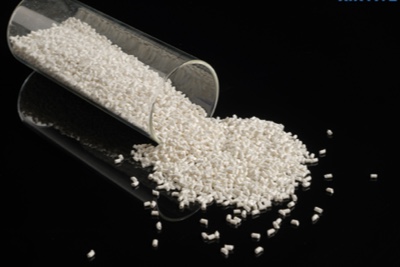
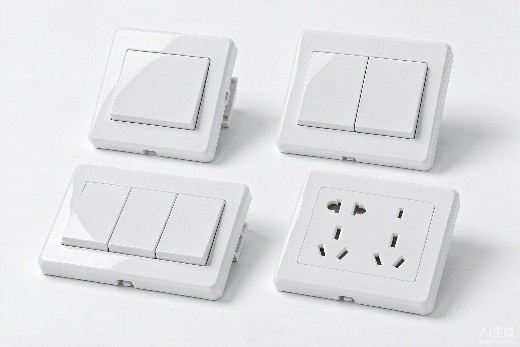
Flame-retardant polycarbonate (PC) is suitable for electrical switch panels, faceplates, and protective covers. PC compounds combine high impact strength, heat resistance, and dimensional stability, making them suitable for molded electrical components that require durability, a consistent appearance, and flame-retardant performance.
Key Advantages
UL94 V0 flame retardant rating delivers the fire safety required for switch plates mounted directly on walls near wiring.
High heat resistance withstands the temperature around switches and dimmers during prolonged operation.
Excellent dimensional stability keeps panels flat and true, resisting warpage caused by heat and humidity.
High impact strength and good scratch resistance keep the visible surface looking new over years of daily use.
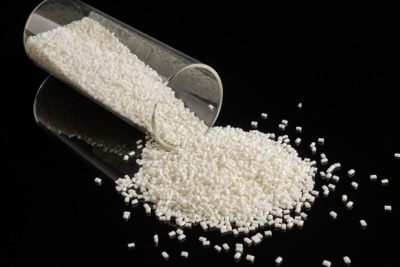
Available in white or customer-specified colors - a clean, uniform appearance for switch panels and faceplates.
How to Choose Plastics for Electrical Components?
Choosing the right plastic depends on the component's operating temperature, flame-retardancy requirements, electrical insulation needs, mechanical loads, and molding conditions. Different formulations of PBT, PA6, PA66, ABS, and PC provide different performance balances.
Material
Typical Application
Main Selection Consideration
PBT GF30 V0
Coil Formers & Relay Bobbins
Rigidity, insulation, dimensional stability
PA66 / PA6 GF V0
Wire Harness Connectors
Strength, thermal performance, toughness
Flame-Retardant ABS
Electric Meter Housings
Impact resistance, moldability, surface quality
PC V-0
Switch Panels
Impact strength, heat resistance, appearance
Key Performance Requirements for Electrical Plastics
Electrical and electronic components require materials that deliver reliable insulation, thermal stability and mechanical performance. XYT Plastic offers modified plastic solutions designed to meet these demanding application requirements.
Flame Retardancy
Flame-retardant grades help reduce ignition and flame propagation risks in electrical components.
Electrical Insulation
Good dielectric properties support reliable insulation in connectors, coil formers and electrical housings.
Heat Resistance
Heat-resistant materials help components maintain performance under elevated operating temperatures
Dimensional Stability
Reinforced plastics help minimize deformation and maintain precise dimensions during use.

Custom Modified Plastics for Electrical Applications
Xinyite Plastic supports customized engineering plastic compounds for specific electrical and electronic components. Our material solutions can be adjusted to meet different mechanical, thermal, electrical, and injection molding requirements.
| Flame-Retardant Grades | Glass Fiber Content | Color Matching |
| lmpact Modification | Heat Resistance | Thermal Performance |


FAQs
Q: What plastics are commonly used in electrical and electronic components?
Q: Why are flame-retardant plastics important for electrical applications?
Q: What is the difference between PA6 and PA66 for electrical connectors?
Q: How do I choose between PBT, PA, ABS, and PC materials?
Q: Can modified plastic grades be customized for specific electrical applications?
Find the Right Plastic for Your Electrical Components
Get material recommendations for electrical connectors, relay bobbins, switch panels, and electrical housings. Share your drawings, material requirements, or target performance specifications with our team.
-
 Engineering plastics for EV headlamp components are increasingly replacing traditional glass and metal to reduce weight, improve design flexibility, and support thermal and optical performance. This guide compares PC, PMMA, PBT, PA66, and thermally conductive plastics for EV headlamp lenses, reflectors, housings, brackets, and heatsinks. It also examines key factors including UV resistance, impact strength, thermal stability, electrical insulation, EMI shielding, injection molding, joining methods, and recyclability, helping automotive manufacturers select suitable plastic materials for modern EV lighting systems.
-
 In the rapidly evolving world of electrical and electronics applications, the selection of materials plays a pivotal role in determining the performance and reliability of components.
-
 Engineering plastics play a critical role in modern EV battery module components by reducing weight while providing electrical insulation, flame resistance, mechanical strength, and chemical durability. This guide compares materials including PP, PA, PC, PBT, PEEK, PTFE, and CFRP for applications such as cell holders, busbar insulation, high-voltage connectors, and battery enclosures. It also explains key material selection factors, manufacturing considerations, and performance requirements to help engineers choose suitable plastics for safer, lighter, and more efficient electric vehicle battery systems.
-
 Selecting the right materials for **EV inverter housings** requires balancing heat resistance, electrical insulation, mechanical strength, dimensional stability, EMI shielding, and manufacturing cost. This guide compares key engineering plastics, including GF-PA66, PC/ABS, PBT, and CFRP, for high-voltage EV applications. It also examines thermal conductivity, CTI, UL 94 V-0 requirements, injection molding considerations, and material trade-offs. By understanding these factors, engineers and manufacturers can choose suitable plastic materials for safer, lighter, and more reliable EV inverter housing designs.