Views: 0 Author: Site Editor Publish Time: 2026-10-27 Origin: Site


Power tools need materials that combine mechanical strength, heat resistance, dimensional stability, and manageable weight. Their housings and internal components must withstand vibration, impact, repeated use, and exposure to workshop contaminants. Glass fiber reinforced nylon is a common engineering material for applications that require greater stiffness and strength than unfilled plastics can provide.
Selecting the right material involves more than choosing a glass fiber percentage. Engineers must also evaluate the base resin, operating temperature, moisture exposure, chemical compatibility, part geometry, and molding conditions. This guide explains how to compare PA6 and PA66, select glass fiber content, and assess key manufacturing considerations for power tool components.
Table of Contents
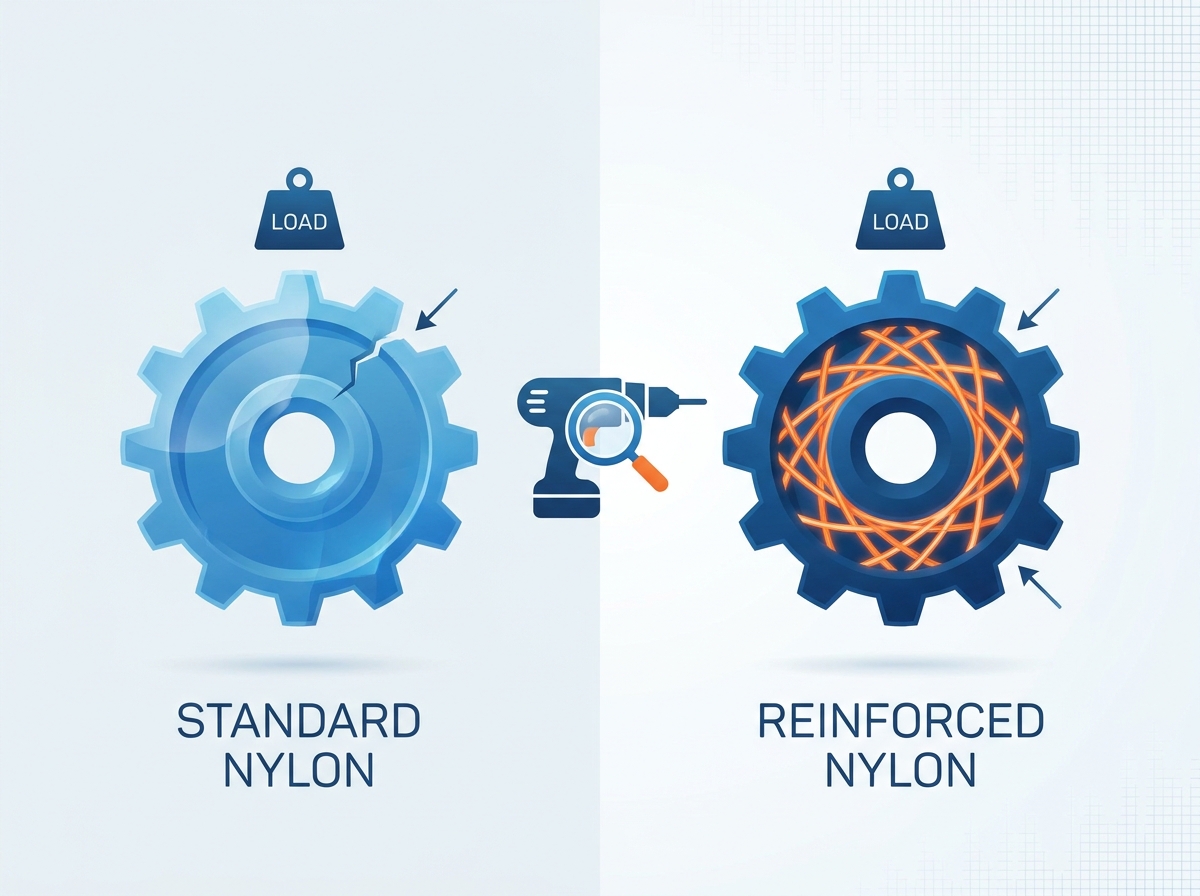
Glass fibers reinforce the nylon matrix and generally improve stiffness, tensile strength, and resistance to deformation under load. The resulting material can support lightweight designs and may replace metal in selected components, depending on the required mechanical performance and operating conditions.
Power tool housings may experience accidental drops, vibration, and repeated mechanical stress. Glass fiber reinforcement improves rigidity, but higher stiffness does not automatically mean better impact performance. Some highly reinforced grades can be more sensitive to impact than tougher, lower-filled formulations.
Material selection should consider both stiffness and toughness. Engineers should evaluate the impact requirements of the finished component, especially around battery bases, motor covers, mounting points, and screw bosses. Prototype testing under defined drop conditions is essential because performance depends on the material grade, wall thickness, ribs, weld lines, and overall housing design.
Motors, gear assemblies, and battery interfaces can expose nearby components to elevated temperatures. Glass fiber reinforced nylon generally offers better stiffness and heat resistance than unfilled nylon. The actual performance depends on the base resin, reinforcement level, test method, and duration of heat exposure.
For parts near motors or other heat sources, compare heat deflection temperature (HDT), continuous-use temperature guidance, and mechanical properties at the expected operating temperature. Do not rely on HDT alone to predict long-term service performance.
Power tools may contact lubricating greases, oils, cleaning agents, and construction-site contaminants. Chemical resistance varies by nylon grade and the specific substance, concentration, temperature, and exposure time. Test the selected material against the chemicals expected in service.
Nylon can also absorb moisture, which may affect dimensions and mechanical properties. For tools used outdoors, assess UV exposure and consider a suitable stabilized grade where necessary. Material selection should reflect the actual working environment rather than a general claim of chemical or weather resistance.
Nylon is used in many electrical and electronic components because it can provide electrical insulation. However, electrical safety depends on the complete material specification and component design, including wall thickness, temperature, voltage, and applicable standards.
Where a project requires a specific flammability rating, such as UL 94 V-0, select a grade with the appropriate documented rating. Do not assume that every glass fiber reinforced nylon grade meets a particular flame-retardancy requirement.
Plastic housings can help reduce overall tool weight and may alter vibration transmission compared with metal designs. Actual vibration performance depends on the complete tool assembly, including the motor, gears, housing geometry, grip design, and damping materials.
For ergonomic components, evaluate the housing's strength alongside grip comfort, surface texture, and overall weight distribution. Soft-touch TPE or TPU overmolding may be considered when the selected nylon grade and part design support reliable bonding.
PA6 and PA66 are both widely used engineering nylons. Their suitability depends on the component's mechanical, thermal, dimensional, and processing requirements. Glass fiber content and the specific formulation can significantly affect the properties of either resin.
PA6 is often considered for housings and structural components that require a balance of strength, toughness, processability, and cost. Glass fiber reinforced PA6 grades are available at different reinforcement levels to suit different part requirements.
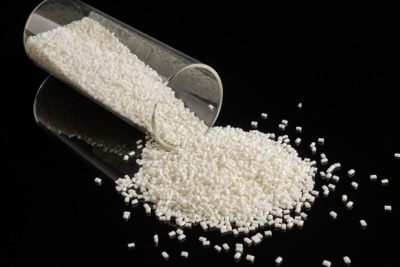
For example, Xinyite's PA6 GF20 plastic resin is listed for applications including power tools and industrial gears. For applications requiring greater stiffness, PA6 GF30 plastic granules provide a higher glass fiber content.
Surface appearance and color consistency depend on the resin formulation, pigment system, fiber content, mold finish, and processing conditions. Therefore, validate the appearance of molded samples rather than assuming that PA6 will always provide a better finish than PA66.

PA66 generally has a higher melting point than PA6 and is often considered for components that need greater thermal resistance. Reinforced PA66 grades can provide high stiffness, strength, and dimensional stability for demanding mechanical applications.
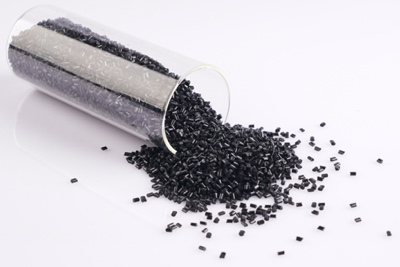
For example, Xinyite's PA66 GF30 plastic raw material is positioned for power tools, electronic appliances, and industrial gears. Final selection should still be based on the grade's technical data and the component's operating conditions.

Both PA6 and PA66 absorb moisture from the surrounding environment. Absorbed moisture can increase toughness and flexibility while changing stiffness, strength, and dimensions. The degree of change depends on the resin, reinforcement, conditioning, and service environment.
For components with tight tolerances, engineers should consider moisture conditioning, dimensional allowances, and testing under expected humidity conditions. Glass fibers can reduce overall molding shrinkage, but they do not eliminate moisture-related dimensional changes.
Property | PA6 | PA66 |
|---|---|---|
General characteristics | Often selected for a balance of toughness, processability, and cost | Often selected where higher thermal performance is important |
Thermal behavior | Depends on grade and reinforcement | Generally has a higher melting point |
Mechanical performance | Can provide high strength when reinforced | Reinforced grades can provide high stiffness and strength |
Moisture absorption | Absorbs moisture; dimensions and properties can change | Absorbs moisture; dimensions and properties can change |
Appearance | Depends on formulation and molding conditions | Depends on formulation and molding conditions |
Selection priority | Balance of mechanical performance, processing, and cost | Thermal and mechanical requirements, verified by grade data |
Glass fiber content influences stiffness, strength, dimensional behavior, impact performance, melt flow, and mold wear. Higher content often increases rigidity and reduces molding shrinkage, but it can also make filling more difficult and increase anisotropy. The best percentage depends on the part design and performance target.
Grades in this range may suit parts that need improved stiffness while retaining useful toughness and processing flexibility. Potential applications include selected covers, brackets, switches, and smaller structural components, depending on their load and impact requirements.
For example, PA6 GF20 is listed for power tools and industrial gears. Confirm whether its mechanical properties and surface appearance match the actual part requirements.
GF30 grades are frequently considered when a component requires greater stiffness, strength, and dimensional stability. Possible applications include power tool housings, battery interfaces, brackets, and structural components, subject to design validation.
Both PA6 GF30 and PA66 GF30 are available from Xinyite. Compare their technical data instead of treating GF30 as a universal industry standard.
High-fill grades can provide very high stiffness and heat resistance for selected load-bearing components. They may be considered for internal structural parts where deformation control is critical.
However, higher glass fiber content can increase melt viscosity, make complex mold filling more challenging, and accelerate wear on screws and mold surfaces. High stiffness alone does not guarantee that a grade can replace metal. Validate strength, fatigue life, impact performance, temperature resistance, and total component cost before making a substitution decision.
Glass fiber content | General performance trend | Potential applications | Key consideration |
|---|---|---|---|
15–20% | Improved stiffness with a balance of toughness and flow | Selected covers, switches, and small structural parts | Confirm impact and load requirements |
Around 30% | Higher stiffness and strength | Housings, brackets, and battery interfaces | Balance rigidity, impact performance, and moldability |
40–50% | Very high stiffness and reduced deformation under load | Selected internal structural components | Assess flow, impact behavior, and tool wear |
These ranges are general selection references, not fixed design rules. Always consult the technical data for the exact grade.

Housings need to protect internal components while maintaining shape under mechanical stress. Glass fiber reinforced nylon may be suitable where stiffness, heat resistance, and dimensional stability are priorities. Wall thickness, ribs, screw bosses, and weld-line locations should be assessed alongside the material grade.
Battery receptacles and mounting features require dimensional consistency and resistance to repeated insertion, removal, and vibration. Engineers should check fatigue behavior, wear, moisture-related dimensional changes, and performance at the expected operating temperature.
Brackets, supports, and selected gear-related components may benefit from reinforced nylon's stiffness and wear properties. The suitability of a grade depends on load, speed, lubrication, temperature, and contact conditions. Components exposed to continuous friction or high loads require application-specific testing.
Glass fibers tend to align with the direction of polymer flow. This can cause different shrinkage rates in different directions, creating anisotropy and potential warpage. Mold-flow analysis, balanced gate placement, uniform wall thickness, and appropriate cooling design can help reduce these risks.
Glass fibers are abrasive and can wear injection screws, barrels, and mold surfaces. Higher-fill grades may require more wear-resistant tooling and closer maintenance monitoring. Follow the material supplier's recommended drying, melt temperature, mold temperature, and processing guidance.
Soft-touch grips can improve handling comfort, but bonding depends on the nylon grade, elastomer chemistry, surface design, and molding conditions. Use a compatible TPE or TPU grade and validate adhesion through suitable tests. Mechanical interlocks may help improve retention where chemical bonding is insufficient.
Regrind can reduce material waste, but repeated processing may shorten glass fibers and change mechanical performance. There is no single regrind percentage suitable for every component. Establish limits based on material supplier guidance, part criticality, and test results.
Before choosing a material for a power tool component, define the main requirements:
Mechanical loads: Identify the required stiffness, strength, impact resistance, and fatigue performance.
Operating temperature: Check short-term and continuous temperature conditions.
Dimensional requirements: Assess molding shrinkage, moisture absorption, and tolerance limits.
Chemical and outdoor exposure: Verify compatibility with oils, greases, cleaning agents, and UV exposure.
Manufacturing process: Review mold geometry, gate locations, flow length, surface finish, and tooling wear.
Compliance requirements: Confirm any required electrical, flammability, or industry-specific standards with supporting documentation.
Xinyite offers multiple reinforced nylon grades, including PA6 GF20, PA6 GF30, and PA66 GF30. Compare the available technical data and discuss the application requirements with the supplier before finalizing a grade.
Glass fiber reinforced nylon can provide the strength, stiffness, and dimensional stability needed for many power tool components. The best choice depends on the base resin, glass fiber content, operating environment, part geometry, and molding process. Rather than selecting a grade by reinforcement percentage alone, engineers should compare technical data and validate performance in representative components.
PA6 GF and PA66 GF use different nylon base resins reinforced with glass fibers. PA66 generally has a higher melting point, while the best choice depends on the grade's mechanical, thermal, dimensional, and processing properties.
Around 30% glass fiber is one option to evaluate for rigid structural housings. The final choice depends on impact requirements, geometry, weight, surface finish, and molding conditions.
Yes. Both PA6 and PA66 absorb moisture. This can affect dimensions and mechanical properties, so moisture conditioning and environmental testing may be necessary for tight-tolerance components.
It can replace metal in selected components when the material meets the required strength, impact, temperature, fatigue, and service-life targets. Validation is necessary before making a substitution.
Key factors include resin drying, processing temperatures, fiber orientation, gate location, shrinkage, warpage, tooling wear, and the use of regrind. Follow grade-specific processing recommendations and validate the finished part.