|
✔ Balanced Strength + Toughness
Combines PC rigidity with ABS impact resistance for structural durability.
✔ High Heat Resistance Performance
Better thermal stability than standard ABS for demanding environments.
✔ Excellent Dimensional Stability
Reduced warping and shrinkage in precision molded parts.
✔ Superior Surface Finish
Ideal for painted, plated, or high-appearance components.
✔ Good Flowability for Complex Molding
Suitable for thin-wall and high-detail injection parts.
✔ Wide Application Compatibility
Supports automotive, electronics, and industrial housings.
| Quantity: | |
|---|---|
PC/ABS
XINYITE
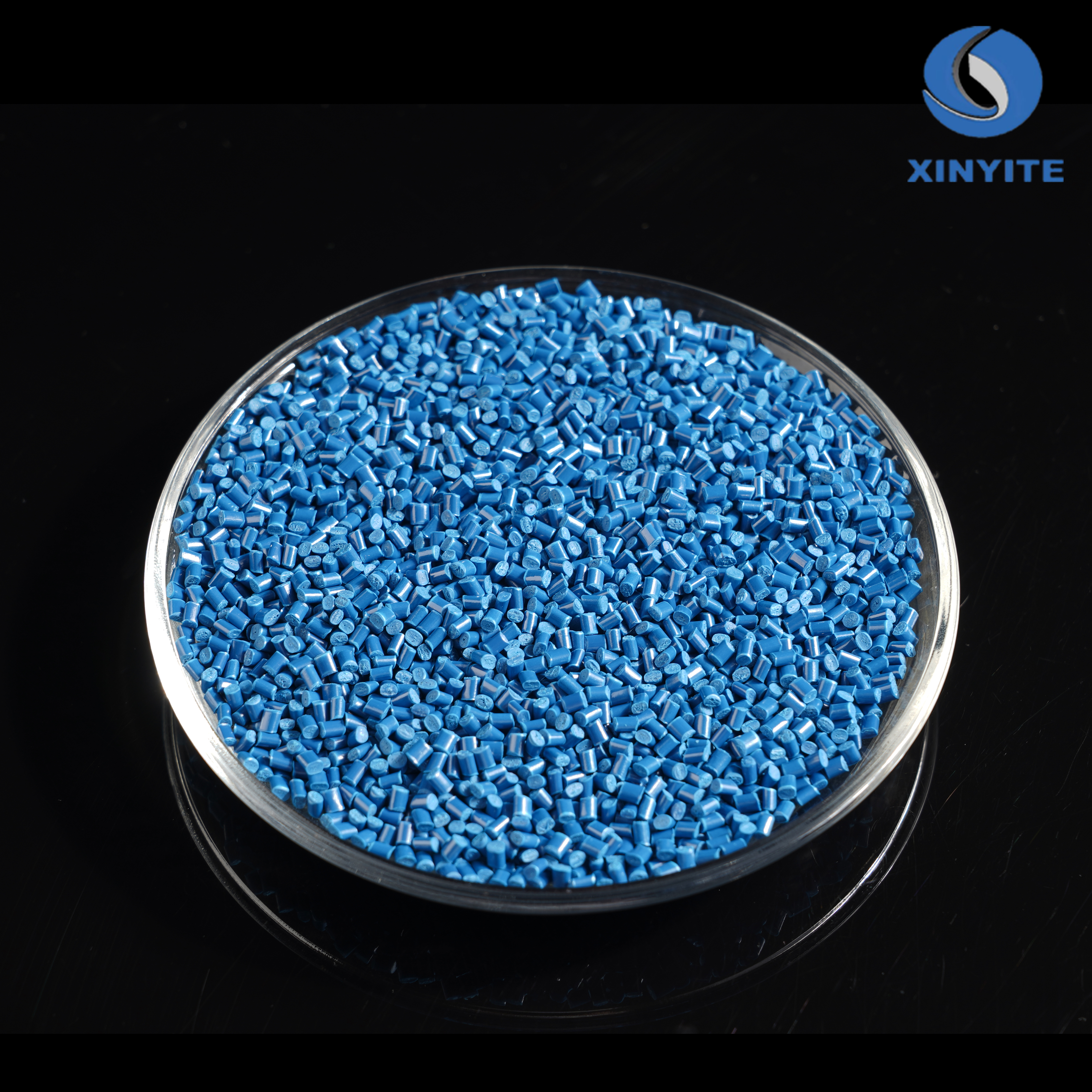
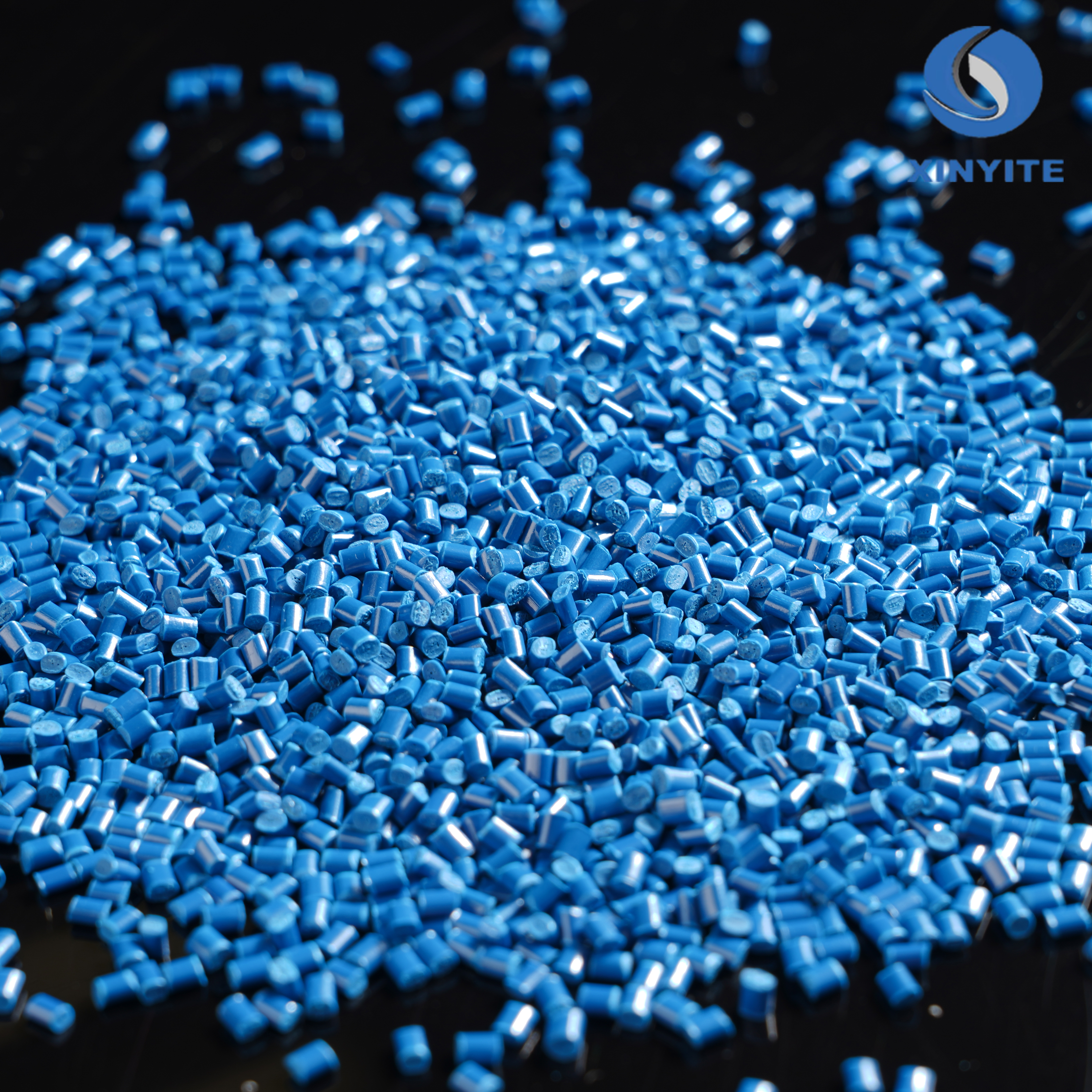
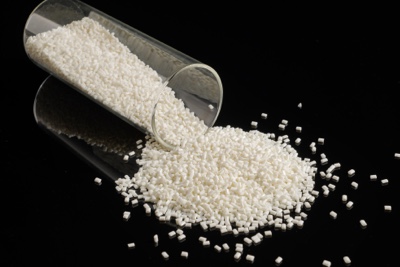
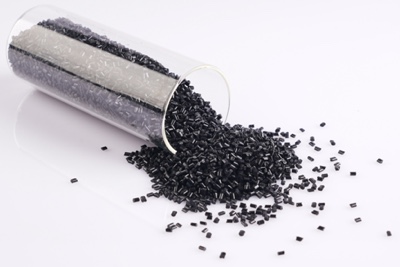
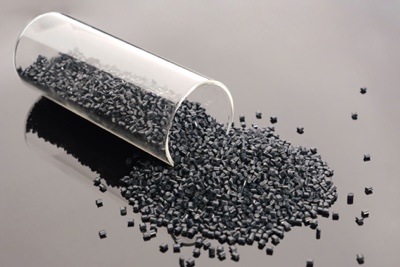
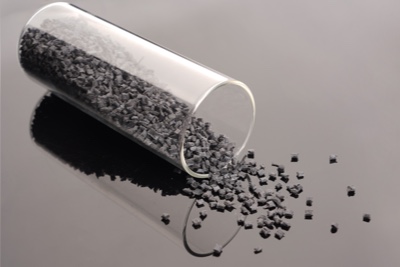
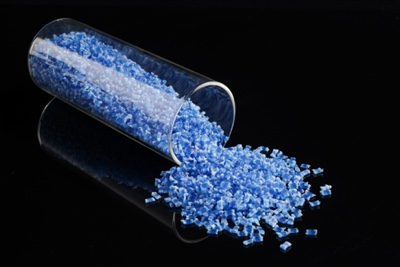
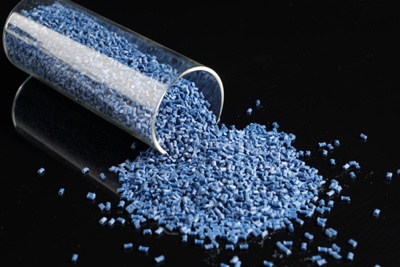
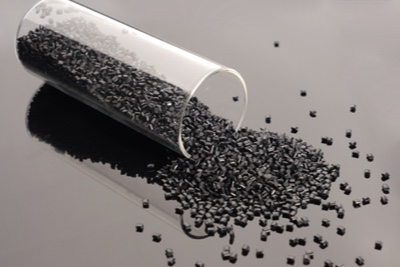
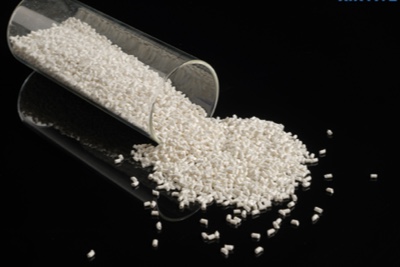
Our PC ABS alloy plastic granules represent a highly engineered thermoplastic blend, specifically formulated to meet the rigorous demands of modern manufacturing and surface finishing. Recognizing the critical need for materials that can smoothly undergo secondary processing, this specific electroplating grade PC/ABS is designed to withstand complex surface treatments while maintaining its structural integrity. By offering an optimal balance of physical properties, these granules serve as a reliable foundation for producing durable, visually appealing, and functionally superior molded components.
When selecting raw materials for components that require surface finishing, the underlying plastic must possess specific characteristics to ensure a reliable final product. Our PC ABS alloy plastic granules deliver several core advantages that directly support manufacturing efficiency:
One of the defining performance metrics of our PC/ABS compound is its extraordinary mechanical energy dissipation under dynamic shock conditions. The optimized elastomeric butadiene phase uniformly absorbs external structural stress, delivering an elite Izod impact baseline even at sub-zero temperatures (down to -30°C) where standard plastics undergo brittle failure. This structural fortification upgrades the component's resistance to catastrophic mechanical cracking, ensuring high passenger safety margins and structural integrity during continuous high-impact loading.
In severe operational environments such as automotive interiors exposed to intense solar radiation or high-load electronic enclosures, maintaining material rigidity is paramount. This alloy shifts the baseline thermal defense barrier of unblended styrenic polymers, boosting the Heat Deflection Temperature (HDT) up to 110°C – 125°C under a high 1.80 MPa load. This high thermal retention effectively prevents component warpage, polymer softening, or thermal-oxidative degradation during short-term heat spikes and continuous continuous exposure to ambient elevated temperatures.
Controlling post-molding surface defects and phase separation is a critical bottleneck in the production of polymer alloys. By utilizing an advanced nano-compatibilization technology, XYT Plastic achieves a completely homogeneous molecular-level integration of PC and ABS phases, eliminating the "delamination" peeling defect. This grade provides an ultra-low anisotropic mold shrinkage range (0.4% – 0.6%), guaranteeing exceptionally tight geometric manufacturing tolerances while yielding an excellent surface gloss finish perfectly optimized for subsequent electroplating, painting, or high-end cosmetic secondary processing.
The true value of PC ABS alloy plastic granules lies in the synergistic combination of Polycarbonate (PC) and Acrylonitrile Butadiene Styrene (ABS). By blending these two distinct polymers, we create a composite material that overcomes the limitations of each individual resin, providing a comprehensive solution for demanding engineering projects.From the ABS component, the alloy inherits exceptional mechanical strength, ease of processing, and steady flowability during injection molding. This ensures that even intricate mold designs can be filled efficiently, optimizing production cycles. Conversely, the Polycarbonate (PC) component contributes crucial heat resistance, enhanced structural rigidity, and optical clarity. This strategic integration results in a versatile engineering plastic that offers both the processing efficiency required by manufacturers and the robust physical properties demanded by end-users.
Choosing the right electroplating grade PC ABS alloy plastic granules is a strategic decision that directly impacts production efficiency and product yield. Our material is formulated to ensure steady adhesion during the plating process, reducing the risk of blistering, peeling, or surface defects. This reliable performance helps manufacturers minimize scrap rates, lower overall production costs, and maintain a consistent output of premium finished goods. By providing a stable and predictable raw material, we help you streamline your manufacturing operations and confidently meet your project specifications.
A:Successful electroplating relies on a precise chemical etching phase (typically using a chromic/sulfuric acid bath) to dissolve the butadiene (rubber) phase near the surface, leaving uniform sub-micron cavities for metal anchoring. If a resin contains Post-Industrial Recycled (PIR) waste or contaminated regrinds, the distribution of butadiene becomes highly unpredictable, leading to over-etching or under-etching. XYT Plastic utilizing a 100% virgin matrix guarantees an even distribution of the rubber phase, resulting in steady, uniform micropores that ensure peak metal-to-polymer adhesion strength and eliminate plating defects.
A: Blistering and peeling are primarily caused by mismatched Coefficients of Linear Thermal Expansion (CLTE) between the deposited metal layer and the underlying polymer matrix, aggravated by poor phase compatibility. Our grade utilizes an advanced nano-compatibilization system that establishes robust molecular-level blending of the PC and ABS phases. This prevents local stress concentration at the interface during temperature fluctuations. Under standard environmental thermal cycles, this enhanced phase continuity allows the composite matrix to expand and contract uniformly, maintaining an unyielding interfacial bond that effectively suppresses peeling or blistering.
A: To achieve an ideal resin-rich surface layer and maximize plateability, precision control over processing orientation is mandatory. We recommend maintaining melt temperatures within 250°C–270°C and keeping the mold temperature strictly between 70°C–90°C. Low mold temperatures will freeze internal stresses on the surface, which disrupts uniform acid etching. Additionally, injection speed should be moderate to high to prevent phase separation near the gate, while avoiding excessive shear that could degrade the rubber phase. Prior to molding, the granules must be pre-dried in a desiccant dryer at 90°C–100°C for 3–4 hours to secure a residual moisture level below 0.02%.