Views: 0 Author: Site Editor Publish Time: 2026-11-18 Origin: Site
Choosing the right automotive fuse box plastic material is essential for maintaining flame resistance, electrical insulation, mechanical strength, and long-term reliability in automotive fuse boxes. As vehicle electrical systems become more compact and EV platforms introduce higher voltage levels, fuse box materials must withstand heat, electrical stress, vibration, and exposure to automotive fluids. Common material choices such as glass-filled PBT, PA66, PP, and ABS offer different levels of thermal resistance, dimensional stability, chemical resistance, and manufacturability. For engineering and procurement teams, the right material selection requires balancing flame-retardant performance with the actual operating environment, enclosure design, and production requirements.
Regulatory Baseline: UL94 V-0 is a common flame-retardant requirement for automotive fuse box materials, but the final specification should be confirmed against the component design and applicable OEM requirements.
The Industry Standard: Glass-filled Polybutylene Terephthalate (PBT GF) remains the dominant choice due to its optimal balance of dimensional stability, chemical resistance, and electrical insulation.
The Halogen Shift: Regulatory pressures (RoHS, REACH) are forcing a rapid transition from traditional halogenated flame retardants to halogen-free systems (e.g., phosphorus or mineral-based), requiring careful evaluation of material trade-offs.
Manufacturing Realities: High-performance FR additives and glass fiber reinforcements increase tooling wear and alter mold shrinkage, necessitating upfront collaboration between material engineers and injection molders.
Table of Contents
Automotive electrical enclosures must survive extreme thermal events without propagating flames. The UL94 V-0 flammability rating serves as the primary benchmark for these components. During this standardized test, technicians expose a vertical plastic specimen to a calibrated flame for ten seconds. The material must self-extinguish within ten seconds after flame removal. It cannot produce flaming drips that ignite a cotton indicator placed below the sample. Passing this test ensures the material will not act as fuel during a localized electrical fire. Engineers also evaluate the Glow Wire Flammability Index (GWFI) according to IEC 60695-2-12. This test simulates a glowing electrical element pressing directly against the plastic. Engineers may also evaluate the Glow Wire Flammability Index (GWFI) according to IEC 60695-2-12, with the required rating depending on the material, wall thickness, and applicable component specifications.
You must distinguish between short-term heat spikes and long-term degradation. A blown fuse or a momentary short circuit generates a sudden, intense thermal spike. The surrounding plastic must resist immediate melting, ignition, or deformation. Conversely, Continuous Use Temperature (CUT) measures long-term endurance under normal operating conditions. Under-hood temperatures often exceed 125°C, and high-performance applications push 150°C. The plastic must maintain its structural integrity over the expected service life while resisting thermal aging, oxidation, and embrittlement. Material suppliers provide Relative Thermal Index (RTI) data to help predict this long-term performance.
Understand the difference between containment and prevention. The fuse box enclosure acts as a physical firewall. Its primary role involves containing internal sparks, molten metal from blown fuses, and thermal events. It prevents these internal failures from igniting surrounding combustible components. Wiring insulation, cabin upholstery, and adjacent electronic modules remain safe if the fuse box maintains its structural boundary. If the plastic melts away or shatters during a thermal event, the containment fails, and a localized short circuit escalates into a full vehicle fire.
Dielectric strength dictates how well a plastic insulates electrical currents and prevents leakage. High-density fuse boxes pack metal terminals closely together to save space. This proximity increases the risk of electrical arcing, especially in 400V and 800V EV architectures. The Comparative Tracking Index (CTI) measures a material's resistance to surface tracking. Technicians drop a conductive ammonium chloride solution onto the plastic between two electrodes. They increase the voltage until a conductive carbon track forms across the surface. CTI is an important material property for fuse box applications, particularly where terminals are closely spaced and the component may be exposed to moisture or contamination. The required CTI level should be determined by the electrical design, creepage distance, operating environment, and applicable component specifications.
Moisture absorption directly impacts dielectric performance. Water conducts electricity. If a plastic resin absorbs ambient humidity, its internal insulating properties degrade rapidly. This degradation lowers the CTI and increases the risk of terminal-to-terminal arcing. Material selection must account for the vehicle's operating environment. Tropical climates and coastal regions expose vehicles to constant high humidity. The chosen polymer must resist water ingress to maintain electrical safety over the vehicle's lifespan. Polymers with high hygroscopy require heavy design compensations, such as increased terminal spacing or conformal coatings, which add weight and complexity.
Fuse boxes endure severe mechanical stress from multiple sources. Engine vibrations transfer directly through the chassis to the mounting points. The plastic must possess high tensile strength and fatigue resistance to avoid cracking under constant oscillation. Impact resistance proves equally necessary. Assembly line technicians handle these components rapidly, and pneumatic tools occasionally strike the enclosures during installation. Maintenance technicians pry covers off during routine service, often in freezing temperatures where plastics become brittle. The material must survive these impacts without shattering or fracturing the mounting tabs and hinge points.
Dimensional stability ensures the enclosure remains sealed against the elements. Low thermal expansion prevents the plastic from warping as engine temperatures fluctuate between freezing and boiling. Minimal warpage keeps the fuse box cover tightly seated against the base and the silicone perimeter gasket. A compromised seal allows water, dirt, and corrosive fluids to enter the terminal area, leading to rapid oxidation and electrical failure. You must select resins that hold tight dimensional tolerances during the injection molding process and maintain those dimensions throughout their operational life.
The under-hood environment exposes plastics to highly aggressive chemicals. Fuse box enclosures must withstand incidental contact and prolonged exposure to these fluids. Common automotive chemicals include DOT 4 brake fluid, synthetic engine oil, transmission fluid, and ethylene glycol antifreeze. Battery acid presents a severe corrosive threat, especially for fuse boxes mounted near the 12V lead-acid battery. Road salts and chemical de-icers splash up into the engine bay during winter driving. Maintenance technicians spray harsh degreasers and brake cleaners directly onto engine components during servicing.
The plastic material must resist Environmental Stress Cracking (ESC) when exposed to these substances. Chemical attack breaks down the polymer chains, especially in areas of high molded-in stress. This breakdown causes embrittlement and sudden mechanical failure under load. You must verify the chemical resistance profile of the specific resin grade against all standard automotive fluids. Testing involves submerging plastic tensile bars in various chemicals at elevated temperatures for hundreds of hours and measuring the subsequent loss of tensile strength and impact resistance.
Selecting the right base polymer dictates the baseline performance of the fuse box. Engineers primarily choose between engineered thermoplastics and commodity resins based on the application's severity, location, and voltage requirements.
Material Family | Thermal Resistance (CUT) | Moisture Absorption (24h) | Chemical Resistance | Typical Application |
|---|---|---|---|---|
PBT GF | Up to 140°C | Very Low (<0.1%) | Excellent | Under-hood, High-voltage EV |
PA66 (Nylon) | Up to 150°C+ | High (Up to 2.5%) | Good | High-heat engine zones |
PP (Polypropylene) | Up to 100°C | Very Low (<0.05%) | Moderate | Interior cabin, Low-voltage |
ABS | Up to 85°C | Moderate (0.2 - 0.4%) | Poor | Interior cabin covers |
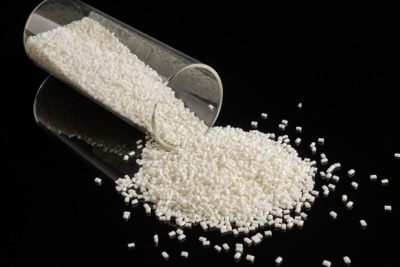
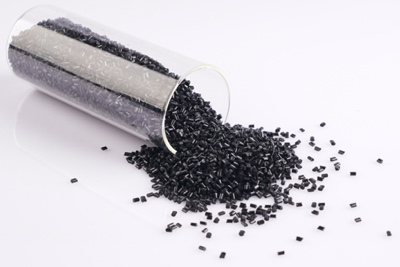
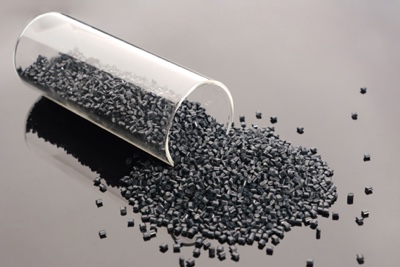
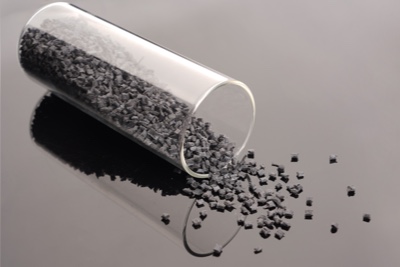
Engineers consider PBT GF the default choice for critical electrical enclosures. Polybutylene Terephthalate offers an exceptional balance of mechanical and electrical properties. Suppliers typically reinforce the base resin with 20% to 30% glass fiber (GF20 or GF30). This reinforcement dramatically increases tensile strength, flexural modulus, and heat deflection temperature (HDT). The glass fibers restrict the movement of the polymer chains, significantly improving dimensional stability under heavy thermal loads.
PBT excels in harsh environments due to its near-zero moisture absorption. Unlike other engineering resins, it maintains its dielectric strength and CTI ratings in high-humidity conditions. It resists carbon tracking effectively, making it ideal for high-density terminal layouts. PBT also demonstrates outstanding resistance to motor oils, brake fluids, and battery acids. It crystallizes rapidly during injection molding, allowing for fast cycle times and efficient high-volume production. This combination of electrical insulation, chemical resistance, and structural rigidity makes it the premier choice for under-hood fuse boxes.
Polyamide 66 offers superior short-term heat resistance compared to PBT. Engineers specify PA66 for components mounted directly adjacent to exhaust manifolds, turbochargers, or high-output alternators. It withstands extreme temperature spikes without melting or deforming. Glass-filled PA66 provides immense structural strength, excellent fatigue resistance, and superior impact resistance. It flows easily during injection molding, allowing for complex, thin-walled designs and intricate terminal retention features.
However, PA66 possesses a known flaw: hygroscopy. Nylon absorbs significant amounts of moisture from the atmosphere. Water acts as a plasticizer within the polymer matrix. As PA66 absorbs water, its dimensional stability decreases. The parts swell slightly, which can compromise tight seals and alter the fit of mating connectors. More importantly, moisture absorption lowers the material's dielectric strength and CTI. Engineers must account for this performance drop when designing high-voltage fuse boxes for humid climates. Parts are often tested in their "conditioned" state rather than "dry as molded" to ensure they meet safety standards in real-world environments.
Commodity resins like PP and ABS offer significant weight and material cost reductions. Manufacturers often use flame-retardant PP for interior cabin fuse boxes located under the dashboard or in the trunk. These locations experience lower ambient temperatures and face fewer chemical threats. PP provides good electrical insulation, low density, and resists moisture effectively. ABS offers excellent surface finish, good dimensional stability, and high impact resistance for cosmetic covers visible to the end user.
Their suitability becomes more limited in demanding under-hood applications where higher thermal, mechanical, and chemical resistance is required. Flame-retardant PP often suffers from a noticeable waxy feel and lacks the structural rigidity required to support heavy wiring harnesses. PP and ABS deform quickly under high thermal loads, losing their shape and compromising the enclosure seal. Their chemical resistance proves inadequate against harsh degreasers and brake fluids, leading to stress cracking. Engineering teams must recognize the tipping point for upgrades. Transitioning to high-voltage EV architectures demands superior thermal and electrical thresholds. Legacy PP and ABS materials cannot meet these new safety standards, forcing a necessary shift to advanced engineered resins.
Historically, the plastics industry relied heavily on halogenated flame retardants. Brominated and chlorinated compounds provided exceptional fire resistance at relatively low concentrations. They functioned by releasing halogen radicals into the gas phase during combustion. These radicals scavenged the high-energy hydrogen and hydroxide radicals propagating the flame, effectively starving the fire. These systems proved highly effective, inexpensive, and maintained the base polymer's mechanical properties well.
Environmental and regulatory considerations have increased interest in halogen-free flame-retardant systems for automotive plastics. Certain substances used in flame-retardant formulations are subject to restrictions or reporting requirements under regulations such as RoHS and REACH, depending on their chemical composition and application. As a result, engineers increasingly evaluate phosphorus-based, nitrogen-based, and mineral-based systems as alternatives where the required flame-retardant and environmental performance can be achieved. These systems may require different formulation and processing conditions compared with traditional halogenated formulations.
Phosphorus-based flame retardants operate primarily in the solid phase. When exposed to heat, they promote the formation of a protective carbonaceous char layer. This char acts as a physical barrier. It insulates the underlying plastic from the heat source and prevents oxygen from reaching the combustible material. Intumescent systems take this a step further. They swell upon heating, creating a thick, porous foam layer that provides superior thermal insulation and prevents flaming drips.
Melamine Cyanurate (MCA) powder serves as a highly effective halogen-free additive. Compounders frequently use MCA in unfilled PA and TPU applications. MCA functions through sublimation. It absorbs massive amounts of heat as it vaporizes, cooling the plastic below its ignition temperature. The released inert gases also dilute the oxygen concentration around the flame. Mineral fillers, such as aluminum trihydrate (ATH) and magnesium hydroxide (MDH), release water vapor when heated. This endothermic reaction cools the polymer and suppresses smoke generation, though they require very high loading levels to achieve V-0 ratings.
FR Additive Type | Mechanism of Action | Environmental Impact | Effect on Mechanicals |
|---|---|---|---|
Brominated (Legacy) | Gas phase radical scavenging | High (Toxic gases, restricted) | Low impact on strength |
Red Phosphorus | Solid phase char formation | Low (Halogen-free) | Moderate impact, color limits |
Melamine (MCA) | Endothermic sublimation | Low (Halogen-free) | Moderate impact |
Mineral (ATH/MDH) | Water release, cooling | Very Low (Halogen-free) | High impact (requires heavy loading) |
Adding high loadings of flame-retardant chemicals alters the base polymer's physical properties. Engineering teams face significant trade-offs. Halogen-free systems often require higher concentration levels to achieve a UL94 V-0 rating compared to legacy brominated systems. These high filler loadings act as stress concentrators within the plastic matrix, disrupting the polymer chain entanglement.
Increased FR content generally degrades impact strength. The material becomes more brittle and prone to shattering under sudden force. Flowability during injection molding also decreases. The viscous melt struggles to fill thin-walled sections of the mold, leading to short shots or high molded-in stress. Surface finish suffers, often appearing dull or streaky. Compounders mitigate these issues by adding impact modifiers (elastomers) and flow enhancers. They balance the FR package with glass fiber reinforcements to restore lost structural integrity, creating a highly engineered, multi-component resin system.
Engineers frequently over-specify flame retardancy at the expense of mechanical integrity. Demanding a UL94 5VA rating when a V-0 rating suffices forces compounders to overload the resin with FR additives. This overloading ruins the material's impact resistance. The resulting fuse box may survive a fire but shatter when dropped on the assembly line or hit by a mechanic's wrench. You must align the flammability specification strictly with the application's actual risk profile and wall thickness.
Ignoring long-term environmental degradation during the prototyping phase leads to field failures. Short-term tests do not reveal how UV exposure, thermal cycling, and chemical contact degrade the polymer over years. User handling factors also require attention. Technicians pry fuse box covers off with screwdrivers. If the material becomes brittle after thermal aging, the snap-fit tabs will snap off during routine maintenance. You must conduct accelerated aging tests on physical prototypes to validate the hinge and latch designs.
High-performance fuse box materials destroy standard injection molds. The combination of glass fibers and abrasive mineral FR fillers accelerates wear on tooling and machinery. Glass fibers act like microscopic sandpaper as the molten plastic shoots into the cavity under high pressure. Mineral fillers compound this abrasive action. Standard P20 tool steel degrades rapidly under these conditions, leading to flash and dimensional variations.
Worn gates and runners lead to pressure drops and short shots. Worn screw flights and check rings in the injection molding machine prevent consistent melt pressure, causing shot-to-shot variation. You must specify hardened steel tooling for high-volume production. H13, S7, or CPM 9V tool steels provide the necessary abrasion resistance. Specialized mold coatings, such as titanium nitride (TiN) or diamond-like carbon (DLC), further extend tool life. Upfront collaboration between material engineers and injection molders prevents costly tooling failures and production delays.
Flame-retardant additives alter the cooling dynamics of the plastic melt. Different areas of the fuse box cool at different rates depending on wall thickness. Glass fibers align in the direction of the melt flow, causing anisotropic shrinkage. The plastic shrinks less along the fiber direction and more across it. This differential shrinkage generates internal stresses during the cooling phase.
These stresses release as the part ejects from the mold, causing warpage. Thin-walled fuse box designs prove especially vulnerable. A warped base prevents the cover from sealing correctly. Water and debris easily bypass a compromised seal. Engineers must use mold flow simulation software to optimize gate locations, wall thicknesses, and cooling channel designs. Conformal cooling channels and proper tool design minimize internal stresses and keep the final part within tight dimensional tolerances.
Material substitution during supply chain shortages introduces severe risks. A molder might substitute an approved FR resin with a cheaper, non-compliant alternative to meet production deadlines. This unauthorized substitution invalidates the component's safety certifications. If a vehicle fire occurs, the liability falls heavily on the manufacturer.
You must establish a rigorous framework for verifying material lots. Require certificates of analysis (CoA) for every resin shipment. Conduct periodic independent testing using Fourier Transform Infrared Spectroscopy (FTIR) to verify the material fingerprint matches the approved resin. Verify UL94 V-0 compliance and CTI ratings on molded parts. Ensure the material meets all global environmental directives, including RoHS and REACH. Verify compliance against specific OEM material standards, such as those published by Ford, GM, or VW. Strict supply chain oversight prevents catastrophic field failures.
The ideal automotive fuse box plastic material depends heavily on the specific mounting location and voltage requirements. Interior cabin applications tolerate lower thermal thresholds, but under-hood environments demand extreme durability. Glass-filled Polybutylene Terephthalate equipped with a halogen-free flame-retardant system offers the most reliable performance profile. It balances dimensional stability, chemical resistance, and electrical insulation perfectly for high-voltage and high-temperature zones.
Engineering teams must apply a strict shortlisting logic. Prioritize UL94 V-0 compliance and high CTI ratings first to ensure baseline electrical safety. Next, evaluate dimensional stability requirements based on the enclosure's sealing design. Finally, cross-reference the material's chemical resistance against the specific fluids present in the mounting zone.
Initiate material flow analysis (Moldflow) simulations to identify potential warpage, optimize gate locations, and predict tooling wear before cutting steel.
Request comprehensive material data sheets (MDS) from resin suppliers, focusing specifically on long-term thermal aging data and conditioned state properties.
Conduct rigorous physical prototype testing under aggressive thermal cycling, vibration profiles, and chemical exposure to guarantee field reliability.
Establish a strict supply chain audit protocol, requiring FTIR material fingerprinting and Certificates of Analysis for every production lot to prevent unauthorized resin substitution.
A: PBT GF (Polybutylene Terephthalate Glass Fiber) stands as the best overall choice for under-hood applications due to its dimensional stability and chemical resistance. PA66 serves well in specific high-heat scenarios but absorbs moisture. Regardless of the base polymer, the material must carry a UL94 V-0 flammability rating.
A: Glass-filled PBT offers an ideal mix of high dielectric strength, low moisture absorption, and excellent dimensional stability. It resists carbon tracking and prevents electrical shorts. Its low moisture uptake ensures it maintains tight tolerances and insulating properties even in highly humid environments.
A: A UL94 V-0 rating guarantees strict fire safety. The plastic material must self-extinguish within 10 seconds after technicians remove an ignition flame. Furthermore, the material cannot produce flaming drips that could ignite a cotton indicator or surrounding combustible vehicle components.
A: While not universally mandated by law for every single component, strict OEM requirements and global environmental regulations like RoHS and REACH drive the market. Halogen-free systems, primarily phosphorus or mineral-based, are now the de facto industry standard to avoid toxic gas emissions during fires.
A: High concentrations of FR additives act as stress concentrators within the polymer matrix. They often reduce the base polymer's impact resistance, tensile strength, and flowability. Compounders offset these mechanical losses by incorporating reinforcements like glass fibers and impact modifiers.
A: Flame-retardant ABS and PP offer cost savings but lack the thermal stability and chemical resistance required for harsh under-hood environments. Their use remains restricted primarily to low-voltage interior cabin applications where lower structural rigidity and a waxy surface finish remain acceptable.