Views: 0 Author: Site Editor Publish Time: 2026-11-18 Origin: Site
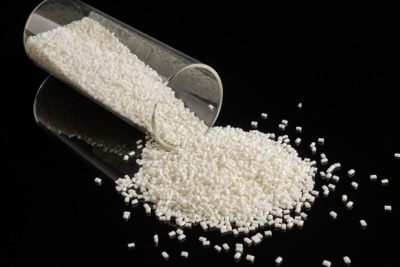
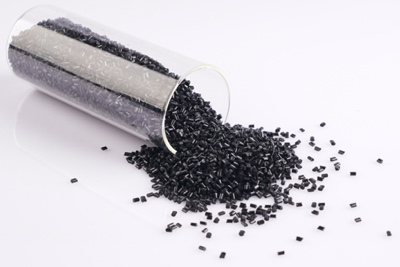
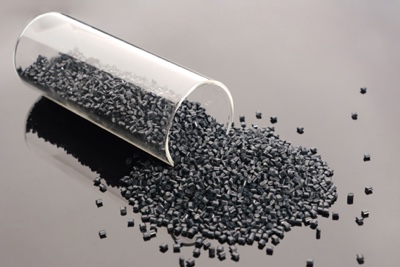
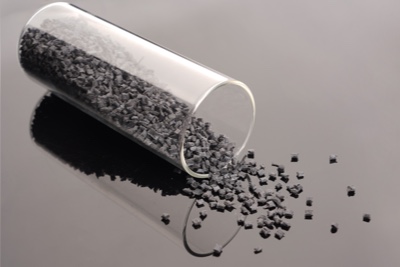
Choosing the right automotive ECU housing plastic is essential for protecting electronic control units from heat, vibration, moisture, and exposure to automotive fluids. Common engineering plastics include glass-filled PA66, PBT, PPS, PC/ABS, and polypropylene (PP), each offering different advantages in heat resistance, mechanical strength, dimensional stability, and manufacturing cost.
For automotive component manufacturers, material selection depends on where the ECU is installed and the conditions it must withstand. Engine-mounted, chassis-mounted, and cabin-mounted modules have different requirements for temperature resistance, chemical exposure, vibration, and environmental sealing.
This guide compares common engineering plastics for automotive ECU housings and explains how their material properties, injection molding performance, and production costs affect material selection and long-term product reliability.
Material Baseline: PA66 GF (Glass-Filled Polyamide 66) remains the industry workhorse for under-hood ECU housings due to its balance of thermal resistance and mechanical strength, though moisture absorption requires design mitigation.
Environmental Matching: Material selection must be dictated by the ECU’s mounting location (e.g., engine-mounted, chassis-mounted, or cabin/door modules), which defines the continuous operating temperature, UV/weathering exposure, and chemical risks.
Manufacturing & Cost Benefits: High-performance plastics offer up to 35% weight reduction and can cut production costs by up to 40% over metal, but require precise injection molding controls to manage part geometry, warpage, and sealing tolerances.
EMI/RFI Shielding: Because plastics are naturally radiolucent, transitioning from metal to plastic requires secondary shielding strategies (e.g., conductive coatings, overmolded metal shields, or specialized conductive compounds).
Table of Contents
Thermal loads dictate your baseline material requirements. You must evaluate both the Continuous Use Temperature (CUT) and the Heat Deflection Temperature (HDT). Engine-compartment ECUs face brutal thermal environments. Ambient temperatures near the exhaust manifold or cylinder head easily exceed 125°C to 150°C. Cabin-mounted modules experience much milder conditions, typically maxing out around 85°C.
Replacing aluminum introduces a significant thermal conductivity challenge. Aluminum naturally acts as a heat sink, pulling heat away from internal components. Plastics act as insulators, trapping heat inside the enclosure. You must design the housing to dissipate internal heat generated by the PCB components. Engineers often integrate specific design features to bridge this thermal gap:
Thermally conductive potting compounds that encapsulate the PCB.
Stamped aluminum heat sinks overmolded directly into the plastic shell.
Thermally conductive polymer grades loaded with ceramic or mineral fillers.
Strategic ventilation channels for modules mounted in protected cabin areas.
Failure to manage internal heat leads to premature electronic degradation. Solder joints weaken, capacitors vent, and microprocessors throttle performance when ambient internal temperatures exceed their rated limits.
Automotive environments expose plastics to highly aggressive fluids. The housing must withstand prolonged contact with motor oil, brake fluid, transmission fluid, and glycol-based coolants. Chassis-mounted units also face constant bombardment from road salts, tar removers, and alkaline degreasers. Over a 10-to-15-year vehicle lifespan, chemical attack causes polymer crazing, swelling, or severe embrittlement.
Automotive environmental testing standards such as ISO 16750-5 address the effects of chemical exposure on electrical and electronic equipment. Material evaluation should consider the specific fluids, exposure temperatures, and test conditions relevant to the ECU's installation environment. Room-temperature chemical resistance data alone may not reflect material performance under elevated temperatures, so manufacturers should review grade-specific test results before finalizing material selection.
Outdoor exposure adds another layer of complexity. ECUs mounted on the chassis or near wheel wells require robust UV stability. Weathering resistance prevents the plastic from degrading under constant sunlight and moisture cycling. You must specify UV-stabilized resin grades containing carbon black or hindered amine light stabilizers (HALS) to prevent surface chalking and mechanical breakdown over time.
ECU mounting points endure continuous mechanical loads. Engine harmonics, road shock, and assembly line handling place immense stress on the enclosure. Complex part geometries heavily influence stress distribution across the housing. Sharp internal corners or uneven wall thicknesses create stress concentrations that lead to cracking under vibration.
High tensile strength and impact resistance are non-negotiable. The plastic must absorb and dampen vibrations to protect the fragile solder joints on the PCB. Glass fiber reinforcement significantly increases stiffness, but you must balance this against the material's ability to flex slightly under severe impact without shattering. Engineers typically evaluate materials against strict vibration profiles:
Sine sweep vibration testing to identify resonant frequencies.
Random vibration testing to simulate rough road conditions.
Mechanical shock testing to replicate pothole impacts or minor collisions.
Drop testing from 1 to 1.5 meters to ensure survivability during assembly line handling.
Modern ECUs often require suitable Ingress Protection (IP) ratings to protect internal electronics from dust and water. IP67-rated enclosures are designed to provide dust protection and withstand specified temporary immersion conditions, while IP69K addresses protection against high-pressure, high-temperature water jets. Achieving these ratings requires accurate molding, reliable gasket compression, and well-designed enclosure joints. The final protection level must be verified through testing of the complete assembled housing.
The material's dimensional stability directly impacts sealing reliability. If the plastic warps or swells, silicone gaskets fail to compress evenly. Potting compounds may delaminate from the housing walls, creating microscopic channels for water ingress. Welded seams can crack under stress. You must select a polymer that maintains its shape across extreme temperature swings and moisture exposure. Draft angles, nominal wall thickness, and rib-to-wall ratios must be optimized to prevent sink marks that compromise the sealing groove.
Engineers default to 30-35% glass-filled PA66 GF for most under-hood applications. This material provides an exceptional balance of stiffness, high HDT, and robust chemical resistance. It survives the harsh conditions near the engine block while remaining highly moldable for complex geometries. The glass fibers interlock during molding, creating a rigid structure capable of withstanding severe vibration.
However, you must manage a critical trade-off. Polyamides exhibit hygroscopic behavior. They absorb moisture from the surrounding environment. This moisture uptake causes dimensional swelling and a temporary drop in tensile strength. A dry-as-molded PA66 part behaves very differently than a part conditioned at 50% relative humidity. You must account for this expansion in your CAD models to prevent gasket failure or mounting point misalignment. Many molders utilize moisture conditioning chambers to add 2-3% water by weight immediately after molding, restoring the material's toughness before assembly.
PBT serves as the primary alternative when dimensional stability is paramount. Unlike PA66, PBT features near-zero moisture absorption. It maintains its exact molded dimensions regardless of ambient humidity. This makes it ideal for applications where tight sealing tolerances are absolutely non-negotiable.
While PBT offers superior stability, it has a slightly lower thermal peak than PA66. It performs exceptionally well in standard under-hood zones but may struggle in the absolute hottest areas directly attached to the exhaust system. Engineers frequently specify PBT for sensor housings, radar modules, and control units requiring intricate, laser-welded seams. PBT also boasts excellent electrical properties, including a high Comparative Tracking Index (CTI), making it highly suitable for high-voltage EV control modules.
PPS stands as the premium, high-temperature solution. You need PPS when mounting ECUs directly on the engine block or transmission housing. It withstands continuous operating temperatures exceeding 200°C. Furthermore, PPS offers exceptional chemical resistance against all automotive fluids and features inherent flame retardancy without added halogens. It easily achieves a UL 94 V-0 rating down to very thin wall sections.
This extreme performance comes with drawbacks. PPS is inherently brittle compared to nylon. You must design mounting tabs and snap-fits carefully, using generous radii to avoid fracture during assembly. Tooling for PPS requires hot oil heating systems to maintain mold temperatures between 130°C and 150°C, ensuring proper material crystallinity. The highly abrasive nature of the required glass and mineral fillers also demands premium hardened tool steel.
Interior ECUs face different challenges. Body control modules, infotainment controllers, and instrument panel retainers do not need extreme heat resistance. PC/ABS blends dominate these applications. This blend combines the specific contributions of two base polymers. ABS provides flexibility, low specific gravity, and excellent moldability. Polycarbonate (PC) adds strength and moderate heat resistance.
PC/ABS delivers outstanding impact resistance. It protects internal electronics from physical shocks during vehicle assembly and daily use. The material flows easily during injection molding, allowing for thin walls and complex internal ribbing. However, its lower HDT makes it completely unsuitable for high-heat under-hood zones. Exposure to aggressive engine fluids will cause rapid stress cracking in PC/ABS components.
Polypropylene offers a sturdy, stable, and highly chemical-resistant option for less demanding applications. Engineers frequently use PP for door modules, basic sensor housings, and interior trim electronics. It is incredibly lightweight, reducing overall vehicle mass.
PP provides excellent flexibility, making it perfect for living hinges or snap-fit assemblies. To increase stiffness, engineers often specify talc-filled or glass-filled PP grades. However, it has severe thermal limitations compared to engineering-grade resins. You cannot use standard PP in areas exposed to high engine heat or direct mechanical stress. It remains a baseline material strictly for low-temperature zones.
Material Grade | Typical Mounting Location | Moisture Absorption | Continuous Use Temp (CUT) | Primary Advantage | Primary Limitation |
|---|---|---|---|---|---|
PA66 GF30 | Under-hood, Engine Bay | High (up to 8%) | 140°C - 150°C | Excellent balance of strength and heat resistance | Hygroscopic swelling affects tight tolerances |
PBT GF30 | Under-hood, Chassis, EV Battery | Very Low (<0.1%) | 130°C - 140°C | Superior dimensional stability for sealing | Slightly lower peak temperature resistance |
PPS GF40 | Direct Engine/Transmission | Extremely Low | 200°C - 220°C | Survives extreme heat and aggressive chemicals | High material brittleness requires careful design |
PC/ABS | Cabin, Interior Panels | Low | 85°C - 100°C | High impact resistance and easy moldability | Unsuitable for high-temperature environments |
PP (Talc Filled) | Doors, Protected Sensors | Very Low | 80°C - 90°C | Highly lightweight and chemical resistant | Low thermal and mechanical load capacity |
Achieving flat mating surfaces is critical for ECU housings. Glass fiber orientation during the injection molding process causes anisotropic shrinkage. The plastic shrinks differently along the flow path compared to across it. This uneven shrinkage leads directly to part warpage. A warped housing will not compress a gasket evenly, leading to immediate IP rating failures.
You must utilize mold flow analysis (CAE) early in the design phase. Simulating the injection process helps you optimize gate locations and cooling channel layouts. By factoring in the specific geometry of the enclosure, you can control fiber alignment and minimize internal stress. Flat mating surfaces ensure reliable PCB mounting and watertight sealing. Engineers must adhere to strict design rules:
Maintain uniform wall thickness to promote even cooling rates.
Keep rib thickness to 60% of the nominal wall thickness to prevent sink marks.
Use generous radii on all internal corners to improve material flow and reduce stress concentrations.
Place injection gates in thick sections, allowing material to flow from thick to thin areas.
Your material choice dictates your assembly methods. Laser welding provides a clean, particulate-free seal ideal for sensitive electronics. However, it requires specific laser-transparent and laser-absorbing polymer grades. You must pair the upper and lower housing materials perfectly to achieve a strong weld. PBT is highly favored for laser welding due to its stable transmission rates.
Ultrasonic welding offers a faster, highly reliable alternative for rigid plastics. It uses high-frequency vibrations to melt the mating surfaces together. The joint design must include a precise energy director to focus the ultrasonic waves. Adhesive bonding remains an option for dissimilar materials, but it requires extensive surface preparation, such as plasma or corona treatment, and longer curing times. Each method impacts lifecycle durability and production line speed.
Replacing aluminum requires a complete design paradigm shift. You cannot simply copy the metal geometry using plastic. Aluminum is inherently rigid. To achieve equivalent stiffness in plastic without negating the weight-saving benefits, you must add strategic structural ribs.
Wall thickness optimization is crucial. Thick plastic sections increase cooling time, induce sink marks, and cause severe warpage. You must core out thick areas and use uniform wall thicknesses throughout the design. Proper ribbing provides the necessary mechanical strength to survive vibration testing while keeping the overall part weight low. Bosses designed for threaded inserts must have sufficient outer wall thickness to prevent hoop stress cracking during screw installation.
Evaluating material costs requires looking beyond the price per kilogram. High-performance resins like PPS cost significantly more upfront than raw aluminum. However, injection molding eliminates expensive secondary operations. You remove the need for CNC machining, deburring, and anti-corrosion surface treatments.
This processing efficiency changes the financial equation. Consolidating multiple metal components into a single injection-molded plastic housing can cut overall production costs by up to 40%. The speed of injection molding vastly outpaces die-casting, allowing for higher volume output and reduced labor expenses on the assembly line. Cycle times for plastic parts often range from 30 to 60 seconds, whereas die-cast aluminum requires longer cooling and extensive post-processing.
Highly glass-filled polymers are incredibly abrasive. Materials loaded with 35% to 50% glass fiber act like liquid sandpaper as they flow through the injection mold under high pressure. This rapid wear degrades gate areas and parting lines, leading to flash and dimensional drift.
You must invest in hardened tool steel, such as H13 or S7, for multi-cavity production molds. Surface treatments like titanium nitride coating extend the life of critical mold components. While this increases upfront capital expenditure, it prevents costly mid-production tool rebuilds. Regular maintenance schedules are mandatory to ensure the mold continues producing parts within tight sealing tolerances. Toolmakers must inspect venting channels frequently, as off-gassing from flame retardants can clog vents and cause diesel burns on the plastic parts.
Material selection must align with strict global regulations and specific automaker standards. You must ensure the chosen polymer complies with RoHS and REACH directives, eliminating hazardous substances from the supply chain. Environmental compliance is non-negotiable for global vehicle platforms. All materials must be properly logged in the International Material Data System (IMDS).
Automotive OEMs maintain proprietary material specifications. You must verify that your selected grade meets specific UL 94 flammability ratings. Additionally, the material must pass OEM-specific weathering standards, thermal shock protocols, and chemical resistance testing before it receives production approval. Substituting a generic resin for an approved automotive grade will result in immediate part rejection during the Production Part Approval Process (PPAP).
Standard insulating plastics generally provide limited electromagnetic shielding compared with metal enclosures. When replacing metal ECU housings with plastic, manufacturers may need additional EMI/RFI shielding solutions to protect sensitive electronic components.
Common approaches include vacuum metallization, conductive coatings, overmolded metal shields, and conductive polymer compounds containing stainless steel fibers or carbon-based fillers. The final shielding performance depends on coating continuity, material conductivity, grounding design, and enclosure geometry, and should be verified through appropriate electromagnetic compatibility (EMC) testing.
Continuous exposure to heat cycles causes polymer oxidation. Over thousands of hours of operation, the plastic becomes brittle and loses its impact resistance. Thermal aging degrades the mechanical properties, increasing the risk of mounting tabs snapping off during vehicle maintenance.
Mitigate this risk by specifying heat-stabilized grades of plastics. These specialized formulations contain copper halides or organic antioxidants that resist oxidative degradation. You must require rigorous accelerated life testing during validation. Thermal shock testing per automotive standards ensures the material will survive rapid transitions from freezing temperatures to peak engine heat. Engineers use Arrhenius equations to predict the long-term lifespan of the polymer based on short-term high-heat exposure data.
Standard 3D printed prototypes do not match the mechanical properties of final glass-filled injection-molded parts. Testing a 3D printed housing for vibration or impact resistance yields inaccurate data. The layer adhesion in 3D printing creates weak points that do not exist in a molded part. This discrepancy creates a massive validation bottleneck for engineering teams.
We recommend using prototype bridge tooling. Cutting a single-cavity soft steel or aluminum mold allows you to shoot the actual production-intent material. This validates the true mechanical strength, warpage characteristics, and sealing capabilities before you commit capital to expensive, multi-cavity hardened steel production molds. Bridge tooling provides accurate physical parts for physical validation testing, ensuring the design meets all IP67 and vibration requirements.
There is no universal polymer for electronic control modules. Your selection remains a strict function of thermal load, chemical exposure, part geometry, and precise sealing requirements. You must map the material properties directly to the specific environmental hazards of the mounting location.
PA66 GF serves as the reliable starting point for under-hood applications. PBT is preferred when dimensional stability is critical. PPS handles extreme engine heat, while PC/ABS dominates interior modules. PP provides the baseline for cost-sensitive, low-heat flexible enclosures.
Follow these next steps to secure your project timeline:
Engage material scientists and injection molding partners during the initial CAD layout phase.
Execute comprehensive mold flow analysis to predict fiber orientation and eliminate warpage.
Validate secondary EMI shielding strategies using production-intent materials to ensure zero signal disruption.
Cut single-cavity prototype bridge tooling to test physical parts before committing to multi-cavity hardened steel molds.
A: PA66 GF provides an optimal balance of high heat deflection, mechanical strength, and cost-effectiveness. The glass fiber reinforcement ensures rigidity under constant engine vibration. It withstands aggressive under-hood chemicals and temperatures up to 150°C, making it the standard choice for most engine compartment electronics.
A: Plastic offers a weight reduction of approximately 35% and cuts production costs by up to 40% by eliminating secondary machining. However, plastic lacks the inherent thermal conductivity and electromagnetic (EMI) shielding of aluminum, requiring engineers to design specific heat dissipation and shielding solutions.
A: Standard plastics are radiolucent and cannot block EMI. To protect sensitive ECU components, manufacturers must apply secondary processes. Common solutions include spraying conductive coatings, applying vacuum metallization, integrating stamped metal shields, or using specialized conductive polymer blends.
A: Maximum temperatures depend entirely on the polymer. Polypropylene (PP) handles up to ~100°C. PC/ABS blends survive ~85°C to 110°C. PA66 GF operates reliably up to ~150°C. For extreme environments, Polyphenylene Sulfide (PPS) can withstand continuous temperatures exceeding 200°C.
A: Engineers seal plastic housings using several methods depending on the material and geometry. Common techniques include dispensing liquid silicone gaskets, applying potting compounds, or utilizing permanent joining methods like laser welding and ultrasonic welding to achieve strict IP67 or IP69K ratings.
A: Yes, polyamides like PA66 are highly hygroscopic. They absorb moisture from the air, which causes the plastic to swell dimensionally and temporarily lose tensile strength. Engineers often substitute PBT in applications where this moisture uptake would compromise tight sealing tolerances.
A: PC/ABS blends are ideal for cabin-mounted ECUs. They offer excellent impact resistance, easy moldability, and lower costs compared to under-hood plastics. Their thermal properties easily handle climate-controlled interior environments. Polypropylene (PP) is also frequently used for basic interior door modules.