Views: 0 Author: Site Editor Publish Time: 2026-03-27 Origin: Site
In today’s industrial world, materials that combine superior properties with cost-efficiency are in high demand. One such material is Talc Filled PP Plastic Granules, a specialized form of polypropylene (PP) reinforced with talc, a naturally occurring mineral. This combination significantly enhances the performance of polypropylene, making it an ideal choice for various industries, such as automotive, electronics, and consumer goods.
This article delves into the importance of adding talc to polypropylene, highlighting the benefits, improvements in material properties, and the widespread applications of Talc Filled PP Plastic Granules.
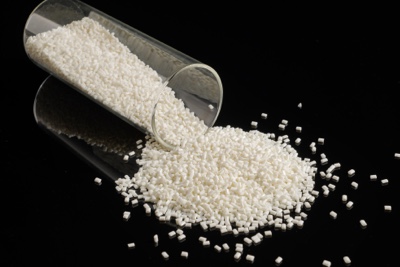
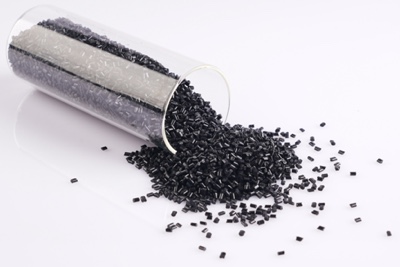
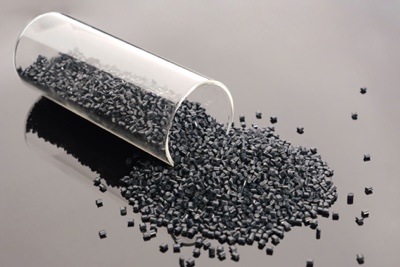
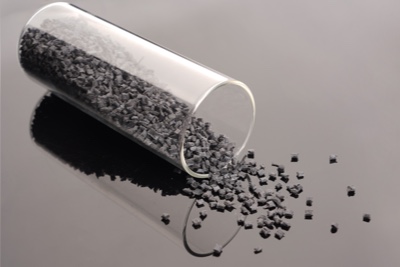
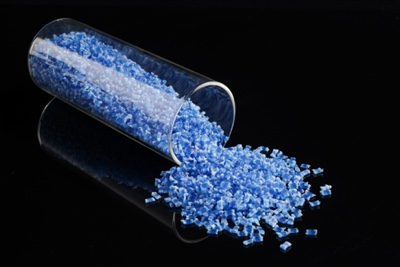
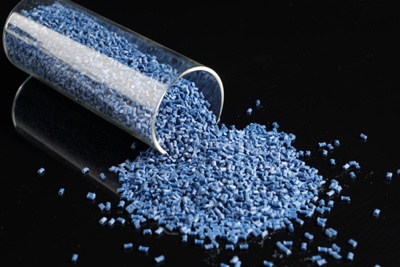
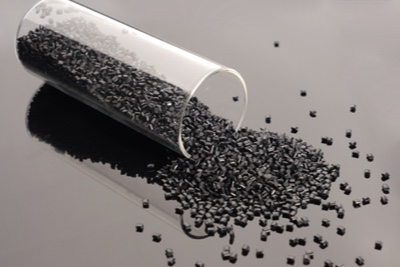
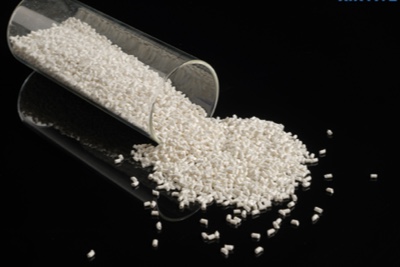
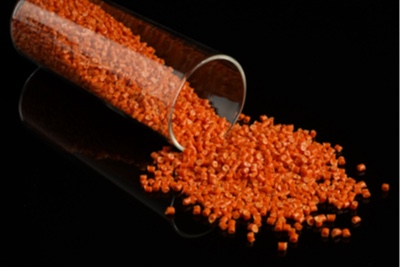
Talc Filled PP Plastic Granules are polypropylene (PP) granules mixed with talc powder (a mineral filler), typically in varying concentrations. The talc powder, which can range from 10% to 40% by weight, is used to modify the properties of polypropylene, improving its performance in certain applications.
Polypropylene, a versatile thermoplastic polymer, already possesses several desirable qualities such as low cost, ease of processing, and good chemical resistance. However, by adding talc, polypropylene’s mechanical properties and processing capabilities are significantly enhanced.
Polypropylene (PP): The base polymer, known for its low density, high chemical resistance, and relatively high melting point.
Talc (Mg₃Si₄O₁₀(OH)₂): A soft, hydrated magnesium silicate mineral that acts as a filler in the plastic. Talc improves rigidity, heat resistance, and dimensional stability.
The blending process typically involves mixing talc powder with PP at a specific ratio to achieve the desired material properties.
One of the primary reasons for adding talc to polypropylene is to enhance its mechanical properties, including stiffness, strength, and dimensional stability. Talc, being a naturally rigid and stable mineral, significantly improves the performance of PP-based materials.
Talc’s crystalline structure helps in increasing the rigidity of the polymer. When talc is added to polypropylene, it reinforces the polymer chains, making the material stiffer and reducing its flexibility. This is particularly useful in applications requiring high structural integrity and rigidity, such as automotive parts.
Talc-filled PP materials exhibit enhanced dimensional stability due to the presence of talc. This means that, when exposed to temperature fluctuations or mechanical stress, the material is less likely to deform or lose its shape. This makes talc-filled polypropylene ideal for products that need to maintain their dimensions under varying environmental conditions.
Talc increases the overall strength of polypropylene by reinforcing the polymer matrix. This leads to improved mechanical properties such as tensile strength and impact resistance. Talc-filled PP is stronger and more durable than unfilled polypropylene, making it suitable for high-demand applications like automotive structural components and durable consumer goods.
The addition of talc to polypropylene also greatly enhances its processability during manufacturing. Talc improves the ability of polypropylene to flow during molding, making the material easier to process and form into complex shapes. This is particularly beneficial during injection molding and extrusion processes.
Talc particles act as lubricants in the polymer matrix, improving the flowability of polypropylene during molding. The presence of talc reduces the friction between polymer chains, making the material easier to mold and process. This is especially important for producing intricate designs and thin-walled parts.
In the cooling phase of the molding process, shrinkage can occur as the material contracts. Talc-filled polypropylene exhibits less shrinkage compared to unfilled PP, leading to more precise molding and fewer defects in the final product. This property is highly valuable when producing high-precision parts that require dimensional accuracy.
Talc’s fine particles improve the surface finish of polypropylene. The smooth surface of talc-filled PP materials reduces the need for additional finishing processes, such as sanding or painting, thus saving time and cost in manufacturing. Additionally, the improved surface finish is aesthetically appealing, which is essential for visible parts such as appliance casings.
Another key benefit of adding talc to polypropylene is the improvement in heat resistance and thermal stability. Talc acts as a thermal stabilizer, allowing the material to withstand higher temperatures without degrading or losing its properties.
The heat deflection temperature (HDT) of a material is the temperature at which it deforms under a specified load. Talc-filled polypropylene has a higher HDT than regular PP, meaning it can withstand higher temperatures without warping or losing its form. This makes talc-filled PP suitable for applications that require exposure to elevated temperatures.
Talc helps to stabilize the polypropylene polymer chains, reducing the tendency to degrade under heat. This results in better thermal stability over extended periods, making talc-filled PP ideal for use in automotive parts, electrical components, and other heat-sensitive applications.
The addition of talc to polypropylene not only enhances its properties but also contributes to cost-efficiency in manufacturing. Talc is an affordable filler, and by incorporating it into polypropylene, manufacturers can achieve enhanced material properties at a lower cost compared to other high-performance polymers.
Talc is a low-cost filler, and by using it in polypropylene, manufacturers can reduce the overall cost of production. Talc’s ability to increase the strength, stiffness, and thermal stability of polypropylene while being inexpensive makes it a cost-effective option for a wide range of applications.
Since talc-filled PP materials can be molded with higher precision and better surface finishes, manufacturers can save on post-processing costs such as sanding, trimming, or painting. Additionally, the improved processability reduces the energy and time required for molding, further lowering production costs.
Talc Filled PP Plastic Granules are widely used across various industries due to their enhanced mechanical properties and cost-efficiency. Some of the most common applications include:
Industry | Application | Key Benefits |
Automotive | Dashboard components, exterior panels, under-hood parts | Improved strength, heat resistance, and dimensional stability |
Electronics | Casing for home appliances, electrical components | Better surface finish and thermal stability |
Consumer Goods | Kitchen appliances, storage containers | Cost-effective, durable, and easy to process |
Building & Construction | Pipes, fittings, and structural components | Enhanced stiffness and impact resistance |
These industries benefit from the high mechanical properties, cost-efficiency, and easy moldability of talc-filled polypropylene.
Using Talc Filled PP Plastic Granules also offers environmental advantages. Polypropylene is already known for its recyclability, and by incorporating talc, manufacturers can reduce the need for virgin materials in production, contributing to sustainable manufacturing practices.
The recyclability of talc-filled PP makes it an excellent choice for companies aiming to reduce their environmental footprint. When properly processed, talc-filled PP products can be recycled and repurposed for new applications, minimizing waste and conserving resources.
The enhanced processability of talc-filled PP reduces the energy required for molding and manufacturing. With improved flowability and reduced shrinkage, manufacturers can use less energy to produce high-quality products, contributing to energy savings and a reduced carbon footprint.
In conclusion, the addition of talc to polypropylene significantly enhances its properties, making it an ideal choice for a wide range of industrial applications. From increased stiffness and strength to improved thermal stability and cost efficiency, Talc Filled PP Plastic Granules provide a comprehensive solution for manufacturers aiming to produce durable, high performance products more affordably.
The versatility of talc filled polypropylene is demonstrated by its extensive use in industries such as automotive, electronics, and consumer goods. By combining the natural advantages of talc with the inherent qualities of polypropylene, we at Xinyite Plastic help manufacturers develop superior products that meet the evolving demands of today’s markets.
To learn more about how our Talc Filled PP Plastic Granules can support your specific needs or to discuss custom solutions, we encourage you to connect with Xinyite Plastic for detailed information and professional assistance.
Q1: What are the benefits of using Talc Filled PP Plastic Granules?
A1: Talc-filled PP granules provide enhanced stiffness, strength, dimensional stability, and heat resistance, making them ideal for a wide range of industrial applications.
Q2: Can Talc Filled PP Plastic Granules be recycled?
A2: Yes, talc-filled PP is recyclable and can be reused in various applications, contributing to more sustainable manufacturing practices.
Q3: How does talc affect the molding process of polypropylene?
A3: Talc improves the flowability of polypropylene, reduces shrinkage, and enhances the surface finish during the molding process, leading to more accurate and high-quality parts.
Q4: Is Talc Filled PP Plastic Granules more expensive than regular PP?
A4: While talc is an affordable filler, it can lower the overall material cost compared to other high-performance alternatives, offering cost-effective solutions for manufacturers.
Q5: In what industries are Talc Filled PP Plastic Granules most commonly used?
A5: Talc-filled PP granules are commonly used in the automotive, electronics, and consumer goods industries, especially in parts requiring increased stiffness, strength, and thermal stability.