Views: 0 Author: Site Editor Publish Time: 2026-05-15 Origin: Site
Automotive engineers face compounding pressures to reduce vehicle weight across modern fleets. This imperative is especially urgent for electric vehicles (EVs). Design teams must carefully control material budgets while maintaining strict cabin safety and aesthetic appeal. Finding the right balance demands advanced polymer solutions.
Closed-cabin environments experience extreme thermal fluctuations during peak summer months. Standard commodity plastics are highly prone to warping under this localized heat stress. Conversely, high-end engineering resins drastically inflate production budgets. Finding a reliable middle ground challenges procurement and engineering departments daily.
We will evaluate heat-resistant Acrylonitrile Butadiene Styrene as a structural and cosmetic solution for automotive interiors. You will learn about its core physical properties and manufacturing scalability. We also analyze its distinct limitations compared to alternative polymers. This analysis clarifies why modified resins now dominate dashboard and console manufacturing.
Thermal Stability: Specially formulated heat-resistant ABS maintains structural integrity in continuous operating temperatures up to 93°C (200°F), accommodating the harsh microclimate of dashboard and windshield areas.
Cost-to-Performance Ratio: Offers superior tensile strength and surface finish flexibility compared to Polypropylene (PP) and PVC, without the premium price tag of Polycarbonate (PC).
Manufacturing Versatility: Highly compatible with injection molding, surface texturing (low-gloss for glare reduction), and electroplating, accelerating time-to-market for complex interior geometries.
Implementation Reality: Requires targeted additives (e.g., UV stabilizers or glass fillers) to counteract inherent vulnerabilities like thermal expansion and prolonged sunlight degradation.
Modern vehicle cabins operate as extreme microclimates. We must analyze the "greenhouse effect" characterizing modern automotive design. Large, highly raked windshields trap intense solar radiation inside the cabin. Localized dashboard temperatures routinely exceed standard plastic deflection limits during summer months. Basic commodity plastics simply melt, warp, or off-gas under these harsh conditions. Engineers require specialized materials to survive this continuous thermal cycling.
Safety and ergonomic requirements introduce further complexity. OEMs enforce strict crash safety standards globally. Interior components must absorb kinetic energy during collisions. Brittle plastics splinter dangerously upon impact. Tougher modified resins crush predictably, protecting passengers. Ergonomics also dictate surface finishes. We must utilize low-gloss materials across upper dashboard sections. Reflective surfaces cause severe driver visual fatigue. Matte finishes mitigate this dangerous sun glare.
Lightweighting mandates drive modern automotive engineering. We connect the use of rigid, lightweight plastics directly to top-level industry goals. Internal combustion engine (ICE) vehicles need lighter bodies to improve overall fuel efficiency. Lighter components reduce emission outputs significantly. Electric vehicles (EVs) rely heavily on weight reduction to extend battery range. Every gram saved across the cabin translates to better vehicle performance. Heavy traditional metals no longer suit modern interior design philosophies.
Understanding the chemical architecture helps engineers make better material choices. We must explain how adjusting the ratio of three core monomers alters physical properties. Manufacturers customize these ratios to achieve specific performance benchmarks.
Increasing the acrylonitrile and styrene components directly enhances the Young's modulus. Tensile strength and heat deflection capabilities increase significantly alongside this adjustment. The material becomes much stiffer and more resistant to thermal warping. However, the butadiene component provides essential rubber-like toughness. This dispersed rubber phase prevents catastrophic cold-temperature brittleness. Cabin components remain fully functional and impact-resistant down to -40°C.
Heat-resistant grades offer verifiable thermal specifications. You will typically see melting points ranging between 200°C and 240°C. Engineers focus primarily on safe continuous use limits. These highly engineered grades easily withstand sustained temperatures around 90°C to 93°C. Standard plastics begin losing structural integrity well below these marks.
Chemical resistance plays a vital role in interior longevity. The material performs exceptionally well against common automotive fluids. Accidental exposure to engine oils and synthetic lubricants causes no structural damage. You must note its vulnerability to harsh acidic or alcohol-based solvents. Aggressive interior detailing chemicals can degrade the surface finish over time. You can source specialized grades of abs acrylonitrile butadiene styrene designed to maximize resistance against these specific environmental threats.
Engineers must weigh multiple factors during the material shortlisting phase. We use an evaluation matrix balancing cost, strength, and surface finish.
Let's compare it directly against Polypropylene (PP). PP offers excellent chemical resistance and a noticeably lower density. This makes PP slightly better for extreme lightweighting goals. However, our primary material firmly wins on structural rigidity and impact strength. It also delivers critical paint and electroplating compatibility. You cannot easily electroplate PP for premium chrome finishes.
Next, we evaluate Polyvinyl Chloride (PVC). Manufacturers heavily utilized PVC in legacy vehicle interiors. We now replace PVC where high-quality cosmetic finishes are non-negotiable. Chrome plating adheres perfectly to our selected resin. Furthermore, higher thermal stability makes it the obvious choice for sun-exposed dashboard sections.
Finally, we must compare it against Polycarbonate (PC). PC delivers incredibly high impact resistance and optical transparency. These premium traits come at a significantly higher financial cost. Production budgets rarely accommodate pure PC for standard interior trim. As a practical compromise, engineers specify PC/ABS blends if pure thermal limits are exceeded.
Material | Thermal Stability | Impact Strength | Electroplating Compatibility | Relative Cost |
|---|---|---|---|---|
Modified ABS | High (Up to 93°C continuous) | Excellent | Superior | Moderate |
Polypropylene (PP) | Moderate | Good | Poor | Low |
Polyvinyl Chloride (PVC) | Low to Moderate | Moderate | Very Poor | Low |
Polycarbonate (PC) | Very High | Outstanding | Good | High |
Material selection depends heavily on specific cabin zones. We justify these choices based on daily user interactions and environmental exposure.
Dashboards & Instrument Panels: These areas receive maximum solar radiation. We utilize low-gloss, textured finishes to prevent dangerous glare. Uncompromising heat resistance backs up this aesthetic performance.
Center Consoles & Glove Boxes: These intricate assemblies rely on uniform wall thickness. Strict tolerance adherence during injection molding ensures seamless panel gaps. Squeaks and rattles disappear when parts fit perfectly.
Airbag Housings & Seat Backs: Passenger safety compliance remains paramount. We leverage high impact resistance to ensure these parts deform safely during collisions. Brittle shattering is unacceptable here.
Electric vehicles and modern electronics demand functional adaptations. Emerging applications include complex electrical enclosures and battery cases. The material boasts innate electrical insulation properties. It protects sensitive internal circuitry from short circuits.
Process compatibility accelerates production timelines. The polymer shows remarkable adaptability across various high-volume techniques. Injection molding remains the industry standard for mass production. Thermoforming handles large, simple geometries efficiently. Furthermore, 3D printing technologies like FDM and SLA utilize this material for rapid prototyping. Design teams can test physical parts before committing to expensive steel tooling.
Manufacturing Process | Optimal Volume | Primary Automotive Use Case |
|---|---|---|
Injection Molding | High (10,000+ units) | Center consoles, instrument panels, switches |
Thermoforming | Medium | Large interior door panels, seat backs |
3D Printing (FDM/SLA) | Low (Prototyping) | Ergonomic testing, form-fit validation |
Every engineering material carries inherent production risks. Recognizing these limitations allows us to implement effective mitigation strategies early in the design phase.
Ultraviolet (UV) degradation presents a major chemical reality. Unsaturated double bonds exist within the butadiene component. Prolonged sunlight exposure causes yellowing, fading, and microscopic surface cracking. The structural integrity eventually weakens under constant UV bombardment.
Solution: We mandate UV-stabilized grades for any components exposed to direct sunlight. Chemical additives absorb or reflect harmful radiation before it degrades the polymer chains.
Dimensional stability issues challenge precision assemblies. We must acknowledge a relatively high coefficient of thermal expansion. Parts expand and contract as cabin temperatures swing rapidly between extremes. Maintaining strict tolerances becomes challenging over large continuous surfaces.
Solution: Engineers utilize glass-filled (GF) variants to combat this movement. Glass fibers restrict thermal expansion, increasing dimensional stability and overall structural rigidity. Design teams also incorporate expansion gaps and snap-fits into the initial CAD models.
Flammability concerns require strict regulatory oversight. The base polymer is highly flammable. It burns vigorously and can release toxic smoke during a vehicle fire.
Solution: You must specify flame-retardant (FR) additives. These specialized formulations meet stringent automotive electrical and fire safety standards. They self-extinguish when removed from a direct flame source.
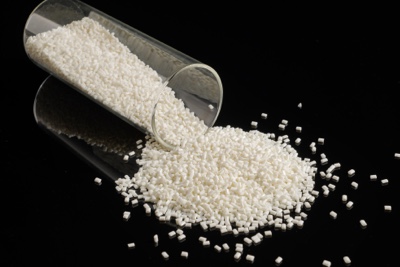
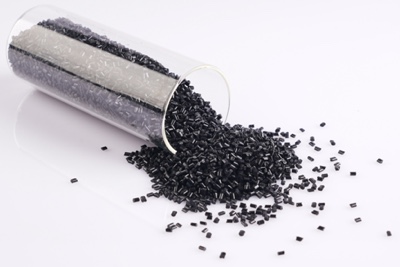
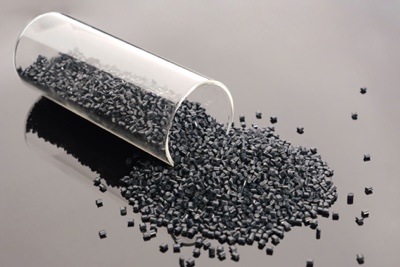
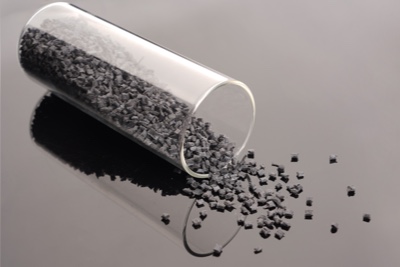
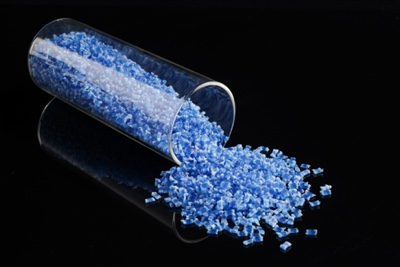
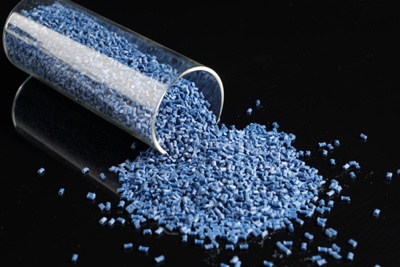
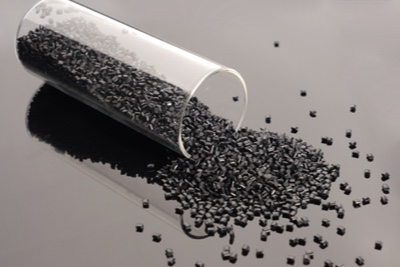
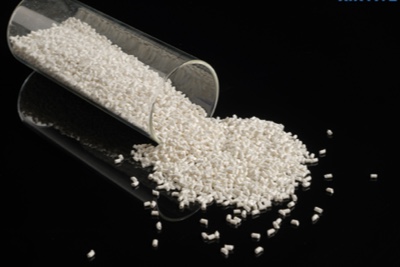
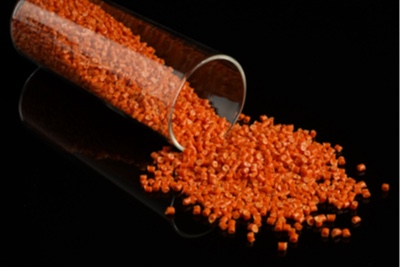
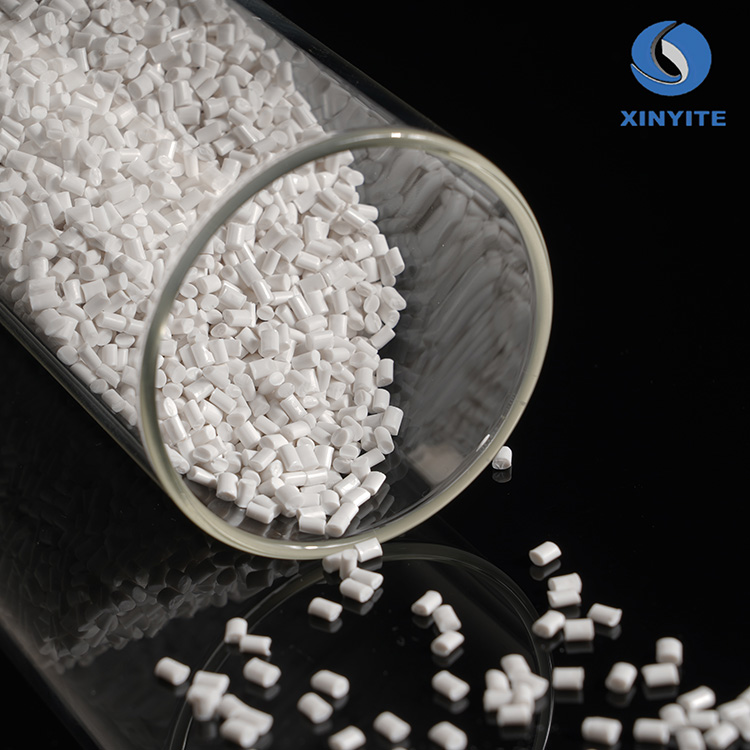
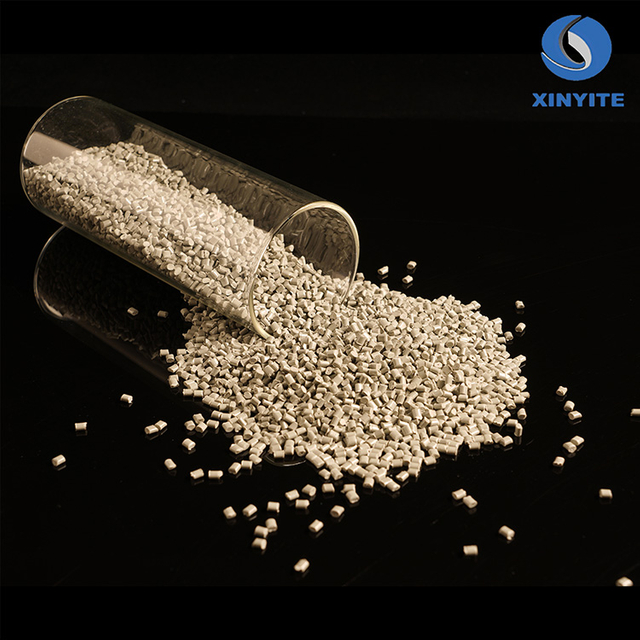
Common Mistakes: Failing to dry the raw resin pellets before injection molding. Moisture absorption causes cosmetic defects known as "splay" across the finished part surface.
Best Practices: Always verify the Heat Deflection Temperature (HDT) on the supplier's material data sheet before finalizing tooling designs.
We must issue a final verdict on material selection. It remains completely unsuitable for high-heat under-hood engine components. However, this heat-resistant formulation remains the optimal baseline for interior cabin parts. It successfully balances production costs, premium aesthetics, and reliable mechanical toughness.
Sourcing teams should take specific next steps. Advise your procurement and engineering departments to request comprehensive material data sheets (MDS). Focus heavily on the stated Heat Deflection Temperature (HDT) and baseline shrinkage rates. You must analyze these metrics before initiating expensive tooling for prototype molds. Proper initial material validation prevents costly mid-cycle production redesigns.
A: Standard automotive grades typically sustain continuous operating limits around 90°C to 93°C. Warping and deflection begin occurring shortly above this continuous use threshold. The actual melting point sits much higher, usually between 200°C and 240°C. Engineers design to the continuous limit, not the melting point, to ensure absolute cabin safety.
A: Yes, the automotive industry increasingly adopts Recycled ABS to meet pressing ESG goals. However, mechanical consistency remains a trade-off. Recycled polymers often exhibit slight variations in impact strength and color uniformity. Engineers typically relegate recycled grades to hidden structural components or blend them directly with virgin resins.
A: PVC severely lacks the surface finishing versatility required for modern interiors. It cannot support high-quality painting or premium electroplating processes. Conversely, our preferred polymer offers perfect chemical adhesion for chrome plating and complex paint systems. It also boasts superior thermal stability under direct sunlight.
A: High thermal expansion means parts grow and shrink significantly alongside temperature changes. If rigidly fixed, these dimensional shifts cause buckling or stress fractures. Engineers must implement design allowances. Using flexible snap-fits and calculating precise expansion gaps prevents structural failure during severe thermal cycling.