Views: 0 Author: Site Editor Publish Time: 2026-05-15 Origin: Site
Electronic appliance manufacturing demands a strict balance. You need thermal stability, electrical safety, and solid unit economics. Enclosures for devices like coffee makers, hair dryers, and smart kitchen tools operate under continuous thermal stress. They endure frequent heating cycles, vibration, and consumer handling.
Standard commodity plastics often warp under this intense heat. Conversely, high-performance engineering plastics like pure Polycarbonate introduce steep material costs and processing hurdles. Manufacturers frequently find themselves trapped between cheap materials that fail and premium materials that ruin profit margins.
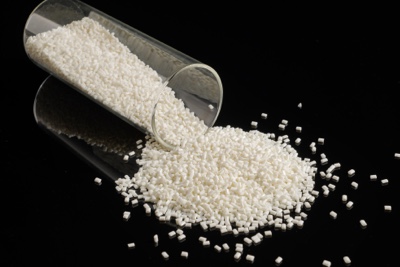
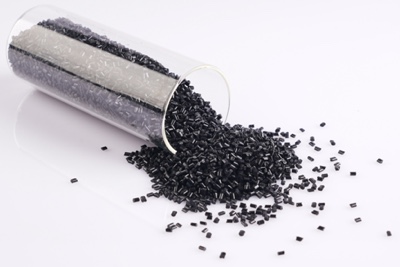
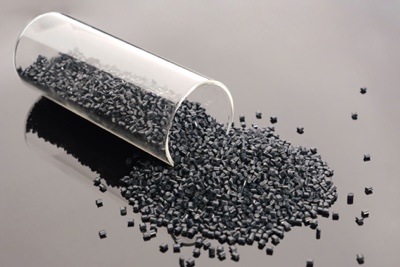
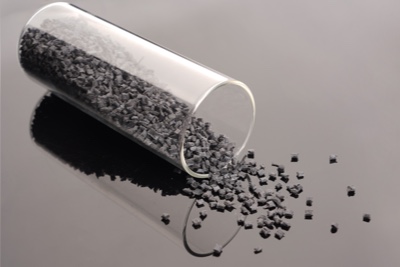
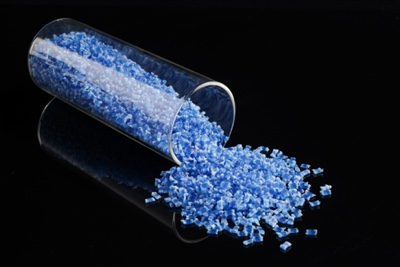
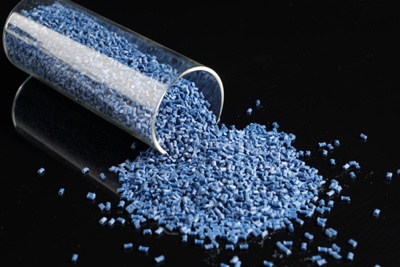
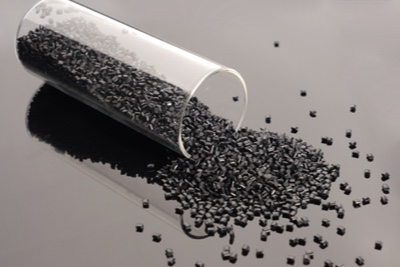
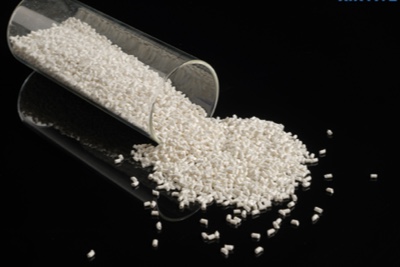
Heat-resistant grades of Acrylonitrile Butadiene Styrene granules bridge this exact gap. These specialized granules offer modified formulations built specifically for high-temperature appliance housings. They provide the necessary strength and heat deflection without the premium price tag.
This article evaluates whether this modified material suits your next production run. We will explore its proven benefits, manufacturing realities, and viable alternatives to help you make a data-driven engineering decision.
Heat-resistant ABS pushes standard thermal limits through specialized additives or blending, maintaining structural integrity near its glass transition temperature (Tg ~105°C+).
It provides crucial dielectric safety (>1,000V) and reliable signal transparency for smart/IoT appliances without the premium cost of Polycarbonate.
Successful implementation requires factoring in dimensional stability during injection molding and mitigating inherent risks like UV degradation or flammability.
To understand why this material performs so well under thermal stress, we must look at its basic chemistry. The polymer relies on three distinct monomers. Each one contributes specific mechanical properties to the final molded part.
Deconstructing the three monomers in abs acrylonitrile butadiene styrene reveals a highly adaptable framework:
Acrylonitrile: This monomer delivers excellent chemical resistance. It also provides the baseline thermal stability necessary for higher-temperature environments.
Butadiene: This rubbery component provides crucial impact resistance. It ensures the plastic absorbs sudden shocks instead of shattering upon impact.
Styrene: This element ensures structural rigidity. It also creates the high surface gloss essential for consumer-facing aesthetic appliances.
Standard grades typically feature a Heat Deflection Temperature (HDT) between 80°C and 100°C. However, the "heat-resistant" distinction means the material undergoes targeted modifications to achieve much higher thermal thresholds. Material scientists achieve these elevated limits through several proven methods.
First, they introduce inorganic fillers. Adding glass fibers significantly increases the structural rigidity and pushes the HDT higher. Second, manufacturers blend in proprietary heat-stabilizing additives during compounding. Finally, they use co-polymerization techniques. Blending the base polymer with Polycarbonate (creating ABS-PC blends) yields a hybrid material that dramatically outshines standard plastics in heat resistance.
Electronic appliances generate internal heat. Devices housing high-friction motors or active heating elements require enclosures that will not soften, warp, or melt during operation. Utilizing heat-resistant grades directly prevents these catastrophic enclosure failures.
You can clearly see the evidence in demanding household environments. High-temperature granules maintain their rigidity much closer to their melting points. This allows for safe, continuous use in high-stress applications like microwave external housings, hair dryer barrels, and heavy-duty vacuum cleaners. The material stays structurally sound even when internal temperatures spike.
Electrical safety remains non-negotiable for consumer appliances. Manufacturers must pass rigorous safety certifications before bringing products to market. High dielectric strength simplifies these safety certification processes, such as acquiring UL or CE marks, while preventing dangerous user hazards.
This polymer exhibits exceptional electrical insulation properties. Its dielectric strength frequently exceeds 1,000 volts. This robust insulating barrier effectively prevents current leakage. As a result, users remain safe from electrical shocks, even if internal wires fray or short-circuit against the inner plastic housing.
Modern kitchens and homes rely on interconnected devices. Smart appliances need seamless connectivity to function correctly. If an appliance enclosure blocks radio frequencies, the smart functionality becomes useless. Ensuring unrestricted signal transmission yields a highly reliable product.
Unlike metallic housings or highly dense composite materials, this polymer does not interfere with wireless communication. Wi-Fi, Bluetooth, and RFID signals pass through the material effortlessly. This signal transparency makes it the ideal enclosure choice for smart home hubs, connected coffee makers, and IoT-enabled refrigerators.
Engineering teams constantly battle Bill of Materials (BOM) limits. You need a material that meets strict safety criteria without destroying product margins. This modified plastic delivers a highly attractive cost-to-performance ratio.
It offers a strategic middle-ground pricing model. The material is far more capable and rigid than cheaper alternatives like Polypropylene (PP). At the same time, it remains significantly more cost-effective than pure Polycarbonate (PC) or Nylon. You get the necessary heat deflection and impact resistance while keeping manufacturing costs thoroughly optimized.
Mass-producing consumer appliances requires predictable, fast manufacturing cycles. Material behavior inside the mold dictates production speed. This modified polymer ensures reliable scalability via standard injection molding processes, reducing overall cycle times and post-processing requirements.
The granules offer exceptionally low shrinkage rates and high flowability. This means complex molds fill evenly and accurately. Parts emerge from the machine with a superior surface finish. They are immediately ready for aesthetic treatments like painting, vacuum metallizing, or clear coating without requiring excessive secondary machining.
Choosing the right enclosure material requires an objective evaluation framework. Engineers often debate between heat-resistant grades and pure Polycarbonate (PC). You must determine when PC represents unnecessary over-engineering and when standard formulations prove insufficient.
Where ABS Wins: It provides superior impact absorption because it favors flexibility over brittleness. It boasts a significantly lower raw material cost. Furthermore, its lower melting point saves considerable energy during the injection molding process. It also offers better chemical resistance to common household cleaners, preventing surface crazing over time.
Where PC Wins: Polycarbonate remains the champion for optical clarity, making it mandatory for transparent parts like blender pitchers. It easily withstands extreme heat applications exceeding 130°C. It also provides absolute tensile strength for parts facing immense mechanical loads.
The Compromise: When neither pure material fits the bill perfectly, engineers turn to ABS/PC blends. These blends offer a hybrid solution. They deliver the smooth processability and cost-efficiency of one, matched with the extreme heat resistance and superior strength of the other.
Below is a quick reference chart summarizing the key differences:
Material Property | Heat-Resistant ABS | Pure Polycarbonate (PC) | ABS/PC Blend |
|---|---|---|---|
Thermal Limit (Approx.) | 100°C - 110°C | 130°C - 140°C | 115°C - 125°C |
Optical Clarity | Opaque | Highly Transparent | Opaque to Translucent |
Impact Behavior | High absorption (flexibility) | High strength (can be brittle) | Balanced toughness |
Processing Difficulty | Low (Energy efficient) | High (Requires high heat) | Moderate |
Relative Cost | Low to Moderate | High | Moderate to High |
Transitioning to high-temperature granules requires a clear understanding of the manufacturing environment. You must account for real-world implementation risks to prevent costly production errors.
Flammability & Compliance: Heat resistance does not inherently mean fire resistance. This is a critical distinction. If the appliance poses any internal ignition risk, your procurement team must specify grades that include both heat-stabilizing and Flame Retardant (FR) additives. Look for materials specifically rated UL94 V-0 to ensure self-extinguishing properties.
Dimensional Stability Under Thermal Load: While modified for high temperatures, the material still possesses a higher coefficient of thermal expansion compared to metals or thermoset plastics. It will expand and contract slightly under extreme temperature fluctuations. Engineering teams must design precise tolerances to accommodate this movement, especially where plastic parts mate with metal components.
Machining Caveats (Prototyping Stage): Prototyping requires special care. If you are CNC machining prototypes before committing to mass injection molding, strictly avoid laser cutting. High-temperature lasers cause rapid material degradation. More importantly, laser cutting induces toxic styrene off-gassing at the cut edge, creating safety hazards for the machine operator. Always stick to traditional CNC routing.
Environmental Degradation: You must consider the end-use environment. This polymer has poor natural UV resistance. Prolonged exposure to direct sunlight leads to rapid embrittlement and severe yellowing. If the appliance lives outdoors—like a smart electric meter or exterior security camera—you must apply UV-stabilized coatings or choose a heavily modified alternative material.
Heat-resistant ABS granules represent the optimal intersection of thermal durability, electrical safety, and manufacturing efficiency for indoor electronic appliances. They prevent warping near motors, protect consumers from electrical shocks, and keep production costs manageable.
To successfully integrate this material into your next product run, follow these actionable steps:
Define the exact Heat Deflection Temperature (HDT) your appliance requires during peak operation.
Assess whether Flame Retardant (FR) additives are mandatory to meet your regional safety compliance standards.
Request detailed Technical Data Sheets (TDS) from your granule suppliers to confirm mechanical property claims.
Conduct thermal cycle testing on initial CNC prototypes before finalizing your injection molds.
A: Yes, but it requires specific FDA-approved or food-grade certified variants. You cannot use standard industrial grades for parts touching food or potable water. Always verify food-grade compliance with your material supplier.
A: It typically requires slightly higher extrusion and mold temperatures than standard formulations. Additionally, you must follow strict moisture-drying protocols prior to molding. Failing to dry the granules adequately will cause severe surface defects and structural weaknesses in the final part.
A: Under normal appliance operating temperatures, no. However, if pushed far beyond its melting threshold or burned during improper manufacturing processes (like laser cutting), it releases toxic styrene gas. This necessitates proper factory ventilation and strict adherence to recommended processing temperatures.