Views: 0 Author: Site Editor Publish Time: 2026-05-15 Origin: Site
Electrical product manufacturers face increasing pressure to meet stricter fire safety requirements while maintaining production efficiency and cost competitiveness.
Electrical housings and internal components are exposed to continuous thermal cycles, occasional overload conditions, and long-term electrical stress. Material selection directly influences compliance, reliability, and manufacturing economics.
Traditional engineering plastics often require trade-offs between performance and cost.
Flame Retardant Polypropylene (PP V0) has become an increasingly practical solution for many electrical applications because it combines UL94 V0 flame performance, lightweight characteristics, electrical insulation capability, and cost efficiency.
This guide explains how Flame Retardant PP V0 works, where it fits, and what manufacturers should evaluate before selecting a material.
UL94 performance must always be verified at actual wall thickness.
Flame Retardant PP offers a balance between electrical performance and production economics.
Halogen-free systems continue to become more common in global markets.
Injection molding conditions directly affect final part quality.
Material documentation is essential during supplier qualification.
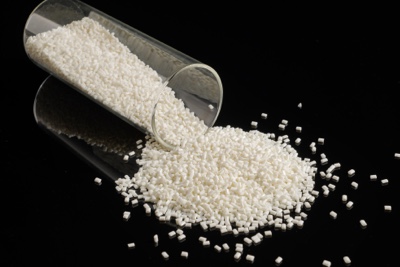
Flame Retardant PP V0 Plastic Resin is a modified polypropylene compound developed to achieve UL94 V0 flame classification.
Standard polypropylene is not inherently flame retardant. Through compounding technologies, flame-retardant systems are introduced into the polymer matrix to improve self-extinguishing performance.
Common technologies include:
Intumescent flame retardant systems (IFR)
Phosphorus-based flame retardants
Mineral flame retardants
Synergistic stabilization technologies
When exposed to heat, these systems reduce flame spread and help improve material fire behavior.
When you engineer electrical components, raw material selection heavily influences your ultimate profit margins. Polypropylene (PP) historically served as a commodity plastic. However, advanced compounding transforms it into a highly capable engineering resin. In selected electrical applications, Flame Retardant PP may provide a cost-efficient alternative to certain traditional engineering plastics.
First, consider the cost-to-performance ratio. Engineering plastics like Polycarbonate (PC) or Polybutylene Terephthalate (PBT) offer excellent thermal stability. Unfortunately, they carry high raw material costs. Lower-tier options like Acrylonitrile Butadiene Styrene (ABS) process easily but often lack the necessary chemical resistance. PP provides a balanced combination of cost, weight, and processability. More importantly, PP has a significantly lower density than PC or PBT. Even heavily loaded with flame retardants, its specific gravity remains low. Lower density may contribute to material efficiency in selected applications. You effectively reduce your per-unit material cost without sacrificing volume.
Second, PP delivers exceptional chemical and electrical resilience. It inherently resists harsh chemicals, oils, and industrial solvents. This matters immensely for factory equipment housings. Furthermore, Flame Retardant PP generally provides stable electrical insulation performance and can achieve suitable CTI levels depending on formulation. You measure this using the Comparative Tracking Index (CTI). Suitable CTI performance can help reduce surface tracking risks in electrical applications. Typical applications include appliance components, junction boxes, and selected electrical housings.
Finally, investing in a verified V-0 resin dramatically mitigates downstream liabilities. When you use materials lacking robust UL 94 compliance, you court disaster. Thermal degradation can lead to field fires. This triggers warranty claims, massive product liability risks, and spiking insurance premiums. A certified V-0 material sharply reduces these lifecycle failure rates. It extinguishes flames quickly and prevents catastrophic spread.
Material | Density (g/cm³) | Chemical Resistance | Cost Tier | Typical Electrical Application |
|---|---|---|---|---|
FR Polypropylene (PP) | 0.95 - 1.10 | Excellent | Low-to-Medium | Kettle bases, junction boxes |
FR Polycarbonate (PC) | 1.20 - 1.30 | Moderate | High | Clear displays, high-impact covers |
FR ABS | 1.05 - 1.15 | Moderate | Low | Consumer electronics shells |
FR PBT | 1.30 - 1.50 | Good | High | High-heat internal connectors |
Before selecting a material, evaluate:
Required UL94 classification
Minimum wall thickness
Processing method
Mechanical requirements
Color requirements
Environmental compliance
Target production volume
Selecting material based on final application conditions helps reduce redesign risk.
Flame Retardant PP V0 is commonly used in:
Electrical enclosures
Junction boxes
Terminal blocks
Appliance internal components
Industrial electrical housings
Consumer electrical devices
Electrical support structures
Application suitability should always be validated through final product testing.
Many hardware engineers fall into a dangerous trap during the design phase. They assume a material rated "V-0" applies to any part they mold. In reality, material flammability depends heavily on part thickness. This represents the most common engineering oversight in electrical manufacturing.
UL94 performance must always be verified at the target wall thickness because flame classification may change as thickness decreases. A V-2 rating allows flaming drips. These drips can ignite cotton beneath the test specimen, which mimics real-world fire spreading to carpets or furniture.
Because of this, you must demand the UL Yellow Card from your supplier. Never accept generic claims like "meets V-0 standards." The UL Yellow Card acts as a verified birth certificate for the resin. It explicitly lists the exact minimum thickness tested. It also confirms the specific formulation and color constraints. If your design features 1.5mm walls, your Yellow Card must show a V-0 rating at 1.5mm.
You also need to understand the difference between component compliance and final product compliance. Using a UL 94 V-0 material is merely a prerequisite. It assesses the plastic in isolation. The final assembled product must still undergo system-level testing. Agencies evaluate the entire device under end-use thermal dynamics using standards like UL 758 or IEC 60695. However, starting with a validated V-0 resin guarantees your plastic housing will not act as the point of failure.
Polypropylene burns easily in its natural state. To achieve a V-0 rating, chemical engineers must heavily modify the polymer matrix. This process involves complex formulation realities and inevitable physical compromises.
Currently, the industry is undergoing a massive halogen-free shift. Historically, compounders used brominated flame retardants. They were cheap and highly effective. However, global environmental regulations restrict them due to toxicity and persistence in the environment. Today, compounders use Intumescent Flame Retardants (IFR), phosphorus-based compounds, and mineral additives like Magnesium Hydroxide (Mg(OH)2). When exposed to heat, intumescent systems swell. They form a thick, protective carbon char layer. This char insulates the underlying plastic and cuts off oxygen.
However, you must be transparent about the physical compromises. Halogen-free systems require massive additive loads. You often need 20 to 30 parts per hundred resin (phr) to hit a strict V-0 rating. High flame-retardant loading may influence stiffness, impact performance, and processing behavior.
Increased Brittleness: High mineral content lowers the elasticity of the plastic. It makes snaps and living hinges more likely to break.
Reduced Impact Strength: The material absorbs less shock during a drop test. You might need to thicken critical structural ribs.
Altered Surface Finish: High additive loading generally makes the material opaque. It reduces surface gloss and makes vibrant color-matching difficult.
Modern compounding solutions attempt to bridge this gap. Experts use surface-modified additives that bond better with the base polymer. They also incorporate anti-dripping agents like Polytetrafluoroethylene (PTFE) at very low doses (0.5 to 1 phr). Additional formulation technologies may be introduced to improve dripping resistance and maintain processing stability depending on grade design. These approaches help improve dripping control and formulation stability depending on application requirements. Through these innovations, formulators optimize the Flame Retardancy Index (FRI) while preserving acceptable mechanical limits.
Processing heavily filled resins requires adjustments on the factory floor. You cannot treat them like standard commodity plastics. If you ignore specific injection molding protocols, you will compromise the structural and chemical integrity of your parts.
First, you must enforce strict drying and moisture control. Standard PP does not absorb much moisture. However, the flame-retardant additives—especially mineral and intumescent types—are highly hygroscopic. If you do not dry the resin, trapped moisture boils during injection. This creates surface defects like splay (silver streaks). It also causes hydrolysis, which degrades the mechanical strength of the final part. Processing conditions, including drying recommendations, should follow the material supplier's guidance.
Second, you must manage thermal processing windows carefully. Polypropylene normally melts easily. But excessive heat can prematurely trigger the flame-retardant chemistry inside the barrel. If the melt temperature climbs too high, the additives will decompose. This causes severe outgassing, poor part density, and material degradation. You must maintain strict temperature control zones.
Finally, anticipate rapid tooling and equipment wear. Mineral-based additives act like sandpaper inside your molding machine.
Some flame-retardant systems may benefit from moisture control before molding.
Typical recommendation:
Drying temperature: 80–100°C
Drying time: 2–4 hours
(Material requirements vary by formulation.)
Use Hardened Steel: Standard aluminum or soft steel molds will wear down quickly. You must use hardened tool steel for cavities and cores.
Improve Mold Venting: Outgassing is common with FR additives. Robust venting prevents gas traps, which cause diesel burns (black spots) on your parts.
Monitor Screw Wear: The abrasive nature of the resin will erode the injection screw and barrel over time. Schedule regular maintenance checks.
Control Injection Speed: Injecting too fast creates high shear stress. This can separate the additives from the polymer matrix.
Parameter | Typical Range |
|---|---|
Melt Temperature | 190–240°C |
Mold Temperature | 40–70°C |
Injection Speed | Moderate |
Selecting the right Flame Retardant PP V0 supplier goes beyond comparing price. Material consistency, compliance support, and application experience directly affect product qualification and production stability.
Before finalizing a supplier, evaluate the following areas.
Request complete technical documents before sample approval.
Key documents may include:
Technical Data Sheet (TDS)
UL Yellow Card
RoHS compliance
REACH compliance
Material Safety Data documentation (if applicable)
Always confirm that the UL94 classification matches your intended wall thickness and application conditions.
Stable production requires consistent material performance.
Ask suppliers whether they maintain:
lot-to-lot quality control procedures;
controlled raw material sourcing;
regular production validation;
traceability for supplied batches.
Material variation may influence molding behavior and final product qualification.
Material performance depends not only on formulation but also on processing conditions.
A qualified supplier should be able to provide guidance on:
recommended molding parameters;
drying recommendations;
flow characteristics;
application limitations.
This support can help reduce trial cycles during production.
If products are intended for international markets, confirm whether the material supports:
Halogen-Free requirements
RoHS requirements
REACH requirements
customer-specific compliance requests
Compliance preparation early in development helps reduce certification delays.
Different electrical applications may require different performance priorities.
Discuss whether the supplier can support:
customized flow performance (MFI);
color matching;
mechanical balance optimization;
application-oriented grade selection.
Request samples for validation before mass production whenever possible.
✓ UL Yellow Card available
✓ TDS available
✓ RoHS / REACH support
✓ Stable batch control
✓ Technical support available
✓ Sample validation supported
Choosing a supplier with both material expertise and application support can help improve development efficiency and reduce long-term project risk.
Flame Retardant PP V0 has become an increasingly valuable option for electrical manufacturers seeking both safety performance and manufacturing efficiency.
By understanding thickness requirements, formulation characteristics, and processing conditions, manufacturers can improve product reliability and reduce development risk.
Selecting the right grade—and validating it under actual application conditions—remains essential.