Views: 0 Author: Site Editor Publish Time: 2026-02-13 Origin: Site
Engineers and procurement officers face a constant, high-pressure dilemma: how to reduce Bill of Materials (BOM) costs significantly without compromising the structural integrity of the final product. It is a delicate balancing act where a single material failure can ruin a brand's reputation, yet maintaining the status quo erodes profit margins. Often, design teams fall into the "over-spec" trap, specifying expensive engineering plastics like PA6, PA66, or PBT for parts where the material's full thermal or mechanical capabilities are never utilized. You might be paying for 200°C heat resistance in an application that never exceeds 100°C.
This is where the industry is pivoting toward PP TD40 (40% Talc Filled Polypropylene). Serving as a strategic "bridge material," it offers the high stiffness and dimensional stability typically associated with engineering resins but at the price point of a commodity plastic. This guide evaluates the technical properties, cost-benefit analysis, and implementation realities for switching to PP TD40 plastic resin, helping you determine if it is the right fit for your next project.
Cost Reduction: PP TD40 typically offers 20–40% raw material cost savings compared to Glass Filled Nylon (PA6 GF) or ABS.
Performance Sweet Spot: 40% talc loading maximizes flexural modulus (stiffness) and Heat Deflection Temperature (HDT), making it viable for structural automotive and appliance parts.
The Trade-off: Higher talc content reduces impact strength compared to PP TD20; best suited for rigid, static components rather than high-impact zones.
Processing Efficiency: Lower processing temperatures than Nylons result in faster cycle times and reduced energy consumption.
The primary driver for exploring alternative materials is almost always economic, but the savings go beyond the simple price-per-kilogram. When evaluating Modified PP Resin against Polyamide (PA) or PBT, you must look at the price-per-volume. Since plastic parts are designed by volume (filling a mold cavity), a lower-density material yields more parts per ton of resin.
While adding 40% mineral filler does increase the density of polypropylene compared to its unfilled state (raising it to roughly 1.22–1.25 g/cm³), it remains lighter than most glass-filled engineering plastics, which often exceed 1.35 g/cm³. It is also significantly lighter than metal, offering immediate lightweighting benefits for automotive applications aiming to improve fuel efficiency.
One of the hidden costs in plastic manufacturing is the scrap rate caused by warpage. Unfilled polypropylene has a high shrinkage rate, making it difficult to hold tight tolerances. However, introducing a 40% mineral load changes this behavior drastically. The talc particles physically restrain the polymer chains, significantly reducing shrinkage and bringing tolerances closer to those of engineering plastics.
More importantly, talc promotes isotropic shrinkage. Unlike glass fibers, which tend to align in the direction of flow and cause differential shrinkage (leading to warping in flat parts), talc’s platy structure helps the part shrink evenly in all directions. This characteristic simplifies mold design for large, flat components like engine covers or furniture parts, reducing the need for costly mold tuning loops.
Sustainability metrics are increasingly influencing material selection. Processing 40% Talc Filled Polypropylene requires less energy than Nylon because PP melts at a lower temperature. This reduction in processing heat translates to lower electricity consumption per cycle. Furthermore, polypropylene is generally easier to recycle than cross-linked plastics or complex engineering alloys, supporting circular economy goals.
To justify the switch, the mechanical performance must hold up. The defining characteristic of this material is its rigidity.
Data consistently shows that high-loading Talc Filled PP achieves stiffness levels comparable to unfilled Nylon or PC/ABS blends. The secret lies in the shape of the filler. Talc particles are platy (flake-like) and have a high aspect ratio. When dispersed into the polymer matrix, these microscopic plates act like stiffening ribs, reinforcing the structure against bending forces.
For applications requiring rigidity—such as brackets, housings, and structural frames—this material performs exceptionally well, often eliminating the need for expensive glass reinforcement.
Understanding the thermal operational window is critical. Unfilled PP might fail or soften around 90°C–100°C, but a 40% talc loading significantly boosts the Heat Deflection Temperature (HDT). It typically sustains structural integrity at temperatures exceeding 120°C to 130°C (at 0.45 MPa load).
This creates a clear decision criterion:
If your application involves extreme heat (>180°C), stick with Nylon or PBT.
If your application involves moderate heat (under-the-hood engine covers, appliance internals), Nylon is likely an over-spend. High Stiffness PP provides the necessary heat resistance at a fraction of the cost.
Creep refers to the tendency of a solid material to move slowly or deform permanently under the influence of mechanical stresses. While Talc Filled PP offers better creep resistance than unfilled PP, we must offer an honest assessment: it is slightly lower than Glass Filled PP. Therefore, it is best suited for static structural loads, such as housings and brackets, rather than parts under constant, high-tension spring loads.
Selecting the right resin involves trading off specific properties. The table below outlines how PP TD40 compares against its lower-filled counterpart and common engineering competitors.
Property | PP TD40 | PP TD20 | PA6 (Nylon) Unfilled | ABS |
|---|---|---|---|---|
Stiffness | High | Medium | High | Medium-High |
Impact Strength | Low | Medium-High | High (Conditioned) | High |
Moisture Absorption | Negligible | Negligible | High (Hygroscopic) | Low |
Dimensional Stability | Excellent | Good | Variable (Humidity dependent) | Good |
Cost Efficiency | Excellent | Very Good | Moderate | Moderate |
The relationship between talc content and performance is linear but inverse regarding impact. As talc content rises to 40%, stiffness peaks, but impact strength (measured by Charpy or Izod tests) drops. The decision rule is simple: choose PP TD20 / PP TD30 for impact-prone parts like bumpers. Choose the 40% variant for rigid brackets, heater casings, and parts that must not flex under load.
A major advantage of Mineral Filled PP over Nylon is moisture resistance. Nylon is hygroscopic; it absorbs water from the air, which changes its dimensions and mechanical properties. PP does not absorb moisture, guaranteeing consistent dimensions regardless of humidity. If the application temperature stays below 130°C, PA6 is often an unnecessary expense, making talc-filled PP the smart value engineering choice.
Polypropylene offers superior chemical resistance compared to ABS, which can suffer from environmental stress cracking when exposed to certain oils or solvents. Additionally, high-talc PP provides rigidity improvements without the high cost associated with PC/ABS blends.
Manufacturers across various industries are leveraging this material to optimize their BOM.
The automotive sector is the largest consumer of these compounds. Automotive Grade PP is frequently found in:
Under-the-Hood: HVAC housings, fan shrouds, and air cleaner bodies. In these areas, the material replaces PA6 effectively.
Interior: Dashboard carriers, center consoles, and pillar trims. Here, it replaces ABS or PC/ABS.
A critical factor here is NVH (Noise, Vibration, Harshness). High Stiffness PP has become the standard for reducing NVH because the mineral filler provides natural damping properties, absorbing sound and vibration better than metals or pure glass-filled plastics.
For white goods, Injection Grade PP with 40% talc is ideal for washing machine tubs and structural frames that bear weight. In electrical applications, enclosures often require UL94 compliance. With added flame retardants, this material provides the necessary safety ratings alongside high rigidity.
Beyond heavy industry, rigid furniture components and garden equipment chassis utilize this resin to endure outdoor conditions where moisture resistance is key.
Switching materials is never as simple as just emptying the hopper and refilling it. You must consider processing nuances.
While PP TD40 shrinkage is low (typically in the 0.8% - 1.2% range), it differs from Nylon. If you are switching resins directly, existing molds may need modification to ensure the final part dimensions are correct. However, for new tools, the isotropic nature of the shrinkage simplifies the design process compared to fiber-filled alternatives.
A potential downside to high mineral loading is the "whitening" risk. High talc content can cause stress whitening, where scratches or ejector pin marks appear white against a dark part. To mitigate this, engineers should specify scratch-resistant additives or masterbatches for visible Mineral Reinforced Polypropylene parts. This ensures the aesthetic quality matches the mechanical performance.
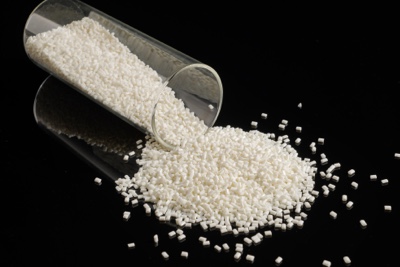
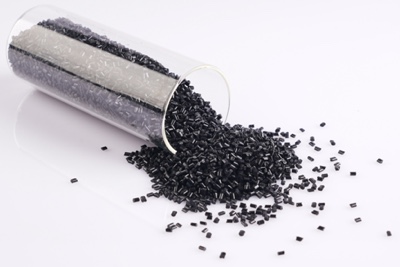
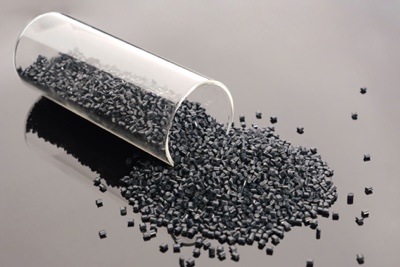
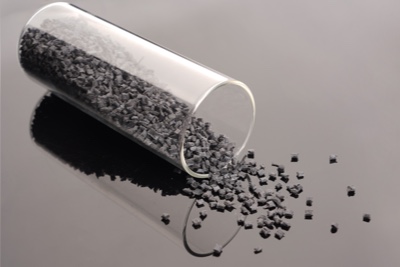
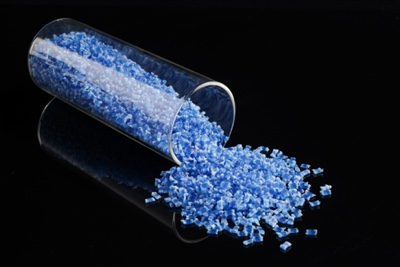
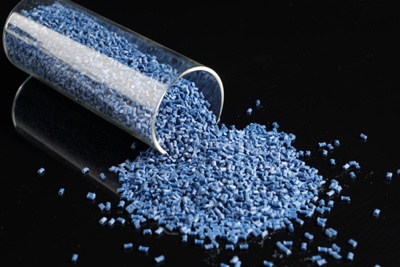
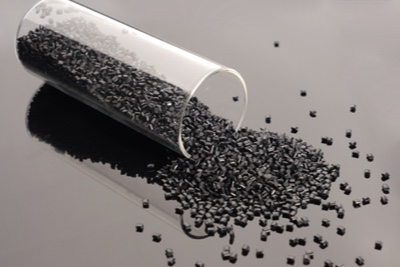
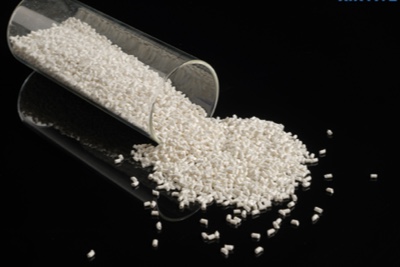
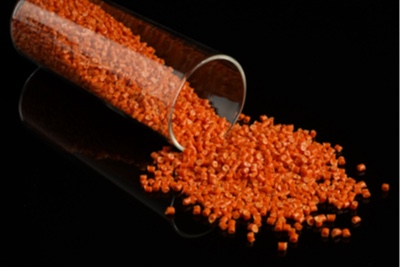
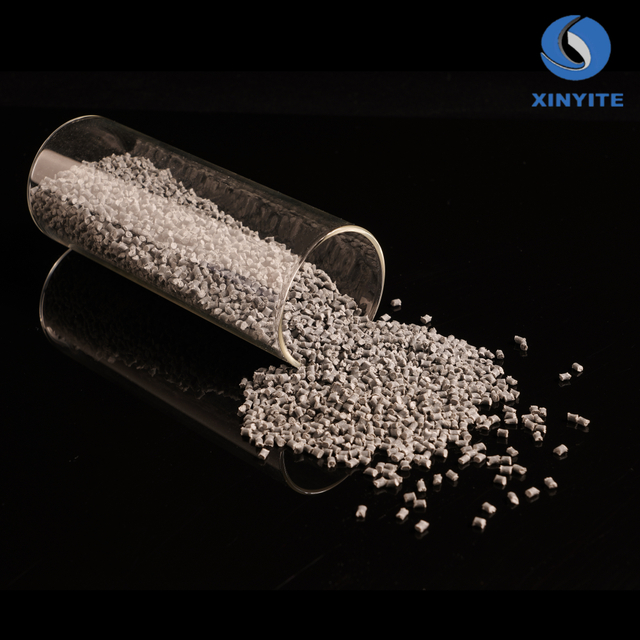
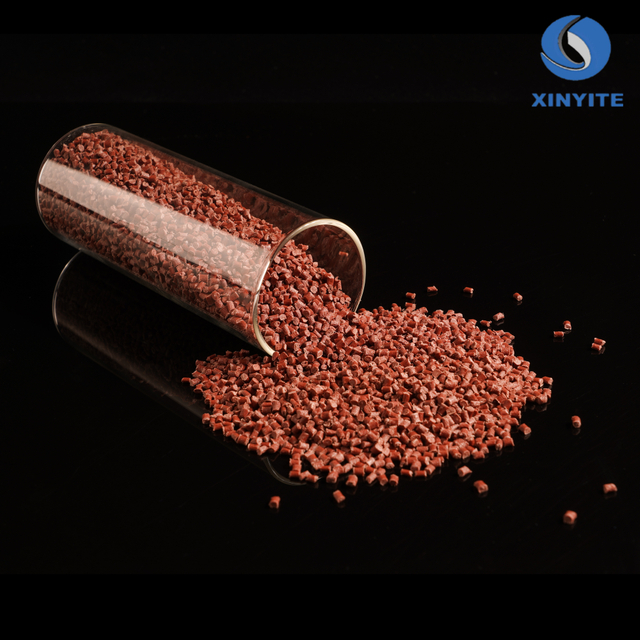
When sourcing PP TD40 Granules, consistency is king. The particle size (top-cut) and purity of the talc are crucial. Cheap fillers can lead to nozzle clogging and poor impact strength. It is vital to look for "compounded" pellets rather than simple "salt and pepper" mixes. Compounded pellets ensure a uniform dispersion of the 40% mineral load, providing consistent strength across every millimeter of the molded part.
PP TD40 is not merely a "cheap filler" plastic; it is a high-performance engineering alternative that effectively bridges the gap between commodity resins and expensive polyamides. It offers a compelling combination of stiffness, thermal stability, and cost efficiency that few other materials can match.
The final decision logic is straightforward: If your part requires high stiffness, dimensional stability, and heat resistance up to 120°C—but does not face extreme impact forces—switching to 40% Talc Filled Polypropylene delivers the best Return on Investment (ROI). We encourage you to audit your current Bill of Materials. Identify those PA6 or ABS parts that are over-engineered and consider value-engineering them with mineral-filled PP.
A: The primary difference lies in the balance between stiffness and impact resistance. PP TD40 (40% talc) offers higher stiffness and better heat deflection but has lower impact strength. PP TD20 (20% talc) retains more flexibility and impact resistance, making it better for parts that might undergo shock, while TD40 is superior for rigid, static structural parts.
A: Yes, it is an excellent replacement in applications where the continuous service temperature does not exceed approximately 120°C and where extreme impact resistance is not a critical requirement. It offers significant cost savings and better dimensional stability in humid environments compared to Nylon.
A: No. Unlike Nylon (PA6/PA66), which is hygroscopic and absorbs water, PP TD40 does not absorb moisture. This ensures that the parts maintain stable dimensions and mechanical properties regardless of the humidity levels in the operating environment.
A: "TD" typically stands for "Talc Dust" or "Talcum," followed by a number indicating the percentage of filler by weight. For example, TD40 indicates that the polypropylene resin contains 40% talc filler.
A: Not necessarily. Naming conventions can vary by region and manufacturer. "TV" often implies "Talc and Glass" (Talc + Verre) or sometimes just glass reinforcement in certain European standards. You should always verify the technical datasheet specifically against "TD" to ensure you are getting a pure talc-filled material rather than a hybrid or glass-filled one.