Views: 0 Author: Site Editor Publish Time: 2026-03-18 Origin: Site
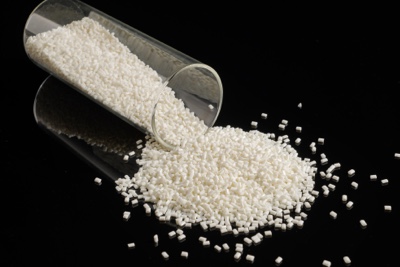
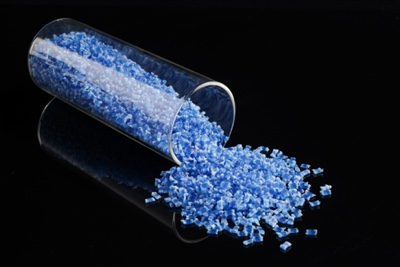
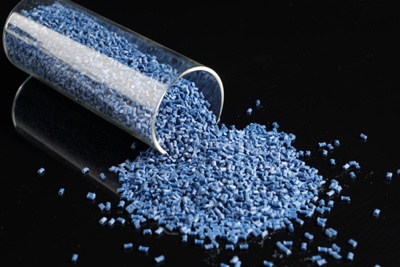
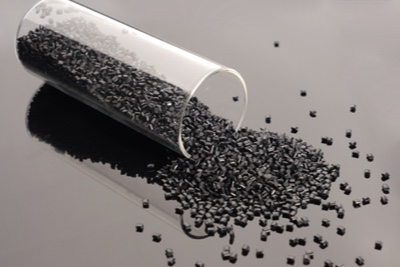
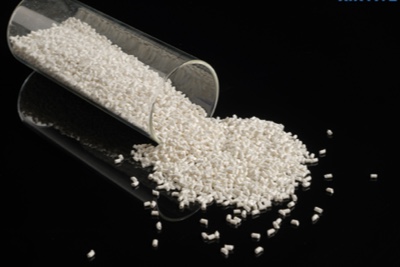
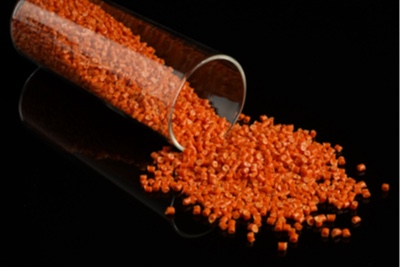
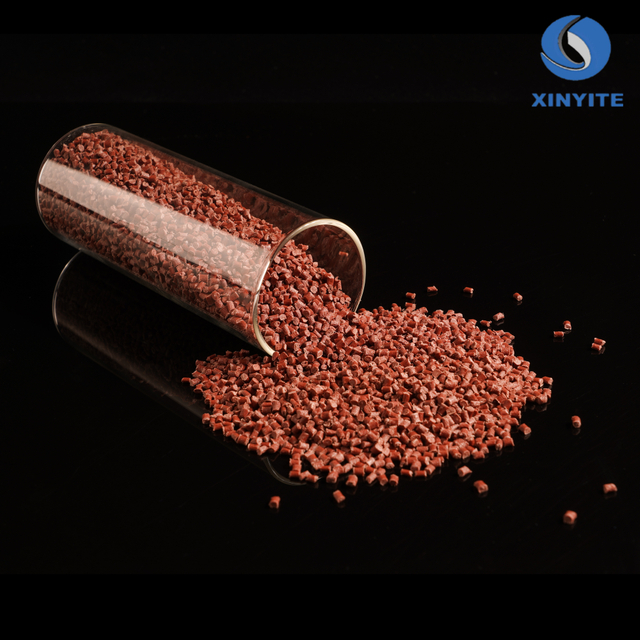
Talc Filled Polypropylene (PP) Plastic Granules are engineered polymer materials created by blending polypropylene (PP) with talc powder, a naturally occurring mineral. This combination enhances the properties of PP, particularly in areas like mechanical strength, thermal resistance, and surface finish. Talc, as a filler, modifies the intrinsic characteristics of polypropylene, making it suitable for a broader range of industrial applications, from automotive parts to consumer electronics.
Polypropylene is a thermoplastic polymer widely known for its versatility, light weight, resistance to corrosion, and ease of processing. However, when enhanced with talc, PP becomes even more efficient at handling stress, heat, and wear, which is why Talc Filled PP Plastic Granules are frequently used in demanding applications. The precise combination of PP and talc results in a highly durable material that retains the flexibility and processing ease of polypropylene while offering improved strength and rigidity.
These granules are mainly used in injection molding, extrusion, and other plastic processing techniques. The versatility of Talc Filled PP makes it an excellent choice for manufacturers seeking both performance and cost-effectiveness in their products.
Talc Filled PP Granules are composed of two main ingredients:
Polypropylene (PP): Polypropylene is a widely used thermoplastic polymer that forms the base of the granules. PP is known for its excellent chemical resistance, low density, high impact strength, and versatility. These properties make it a popular choice in numerous industries, including packaging, automotive, and consumer goods manufacturing.
Talc Filler: Talc is a naturally occurring mineral primarily composed of magnesium, silicon, and oxygen. Talc is known for its soft, powdery texture, which imparts unique benefits when used as a filler in polymers. When added to polypropylene, talc improves its stiffness, dimensional stability, and heat resistance. Talc also reduces the thermal expansion of the material, providing stability during processing and in end-use applications.
Additionally, various additives, such as stabilizers and processing aids, may be incorporated into the formulation of Talc Filled PP Granules. These additives can further enhance the material's properties, improving processing characteristics, weatherability, and UV resistance. The combination of talc and PP results in a versatile, cost-effective material suitable for high-performance applications.
The talc content can vary in Talc Filled PP Granules, with typical concentrations ranging from 10% to 40%. The specific talc concentration is often tailored to meet the specific needs of the application and the required material properties.
Composition of Talc Filled PP Plastic Granules
Component | Description |
Polypropylene (PP) | Thermoplastic polymer, provides lightweight, chemical resistance, and processing flexibility. |
Talc | A mineral filler that enhances rigidity, heat resistance, and surface smoothness. |
Additives (optional) | May include stabilizers, lubricants, and colorants to improve processing and material properties. |
Talc-filled PP plastic granules provide a number of enhanced properties compared to unfilled PP. These advantages make Talc Filled PP an attractive material choice for various industries that demand high-performance characteristics. Let’s explore these benefits in more detail.
One of the primary benefits of adding talc to polypropylene is the enhancement of the material's rigidity. Talc particles function as reinforcing agents within the PP matrix, creating a more robust and stable structure. The increased rigidity is especially important for components that need to retain their shape under mechanical stress, such as automotive parts, electrical enclosures, and household appliances. The enhanced stiffness also allows for the production of thinner, lighter parts without sacrificing structural integrity, which is beneficial in terms of material savings and reducing weight.
Talc has a unique ability to improve the thermal properties of polymers. When added to polypropylene, talc increases the material's resistance to heat, making it suitable for use in environments with higher temperatures. Talc-filled PP can withstand prolonged exposure to heat without degrading, a critical characteristic for automotive and electrical components that experience high operating temperatures. In addition, talc reduces the material's coefficient of thermal expansion, helping to maintain dimensional stability across a wide range of temperatures. This makes Talc Filled PP Granules an ideal solution for products that need to perform consistently under fluctuating temperature conditions.
Talc particles are fine and smooth, which enhances the surface finish of the final molded product. This is particularly important in industries like consumer electronics, where the aesthetic quality of the product is key to consumer appeal. The presence of talc results in a smoother, more polished surface that not only looks better but also resists scratching and other surface imperfections. The smooth surface finish is also advantageous in manufacturing components that need to fit together seamlessly, such as housings, enclosures, and other precision parts.
Another significant advantage of Talc Filled PP is its increased impact resistance, especially in low-temperature environments. Talc acts as a toughening agent, improving the material’s ability to absorb shocks and resist cracking or breaking under stress. This makes Talc Filled PP ideal for applications where the material will be exposed to mechanical forces, such as in automotive bumpers or electrical housings that need to withstand sudden impacts or drops without compromising their integrity.
Talc-filled PP plastic granules are widely used across various industries due to their enhanced mechanical and thermal properties. The primary applications of these granules include:
In the automotive sector, Talc Filled PP Granules are used in the production of parts that require high rigidity, impact resistance, and thermal stability. These include exterior parts like bumpers, dashboards, and door panels, as well as internal components like engine covers and heat shields. The combination of improved stiffness and lightweight properties makes Talc Filled PP an attractive material for manufacturers looking to meet regulatory requirements for fuel efficiency and safety while maintaining cost-effective production processes.
Talc-filled PP is commonly used in the consumer electronics industry, especially for producing housings, connectors, switches, and enclosures. The improved surface smoothness and thermal stability make Talc Filled PP Granules an ideal choice for applications where aesthetics, heat resistance, and impact resistance are important. For example, mobile phone housings, laptop covers, and television enclosures often utilize this material to meet the dual demands of performance and visual appeal.
Home appliances, such as refrigerators, washing machines, and air conditioners, require materials that offer both strength and thermal stability. Talc-filled PP granules provide these qualities, making them suitable for components exposed to high temperatures during operation. The enhanced thermal resistance and impact strength of Talc Filled PP also ensure that the appliance parts retain their shape and function over an extended lifespan, even under stress.
In the packaging industry, Talc Filled PP Granules are used in the production of containers, food packaging, and product enclosures. The material’s ability to provide strength while remaining lightweight is critical for reducing production costs and increasing efficiency. Additionally, the increased rigidity and heat resistance make Talc Filled PP ideal for packaging products that require durability and temperature stability, such as food containers and protective casings for sensitive electronic products.
Common Applications of Talc Filled PP Plastic Granules
Industry | Common Applications |
Automotive | Bumpers, dashboards, door panels, engine covers. |
Consumer Electronics | Housings, switches, connectors, enclosures. |
Home Appliances | Refrigerators, washing machines, air conditioning units. |
Packaging | Containers, food packaging, product enclosures. |
The production process of Talc Filled PP Plastic Granules involves several key stages, each of which ensures the consistent quality and performance of the final product.
The first step in manufacturing Talc Filled PP Granules is the blending of polypropylene resin with talc powder. The talc must be finely ground to ensure it is evenly distributed throughout the polymer matrix. This process is critical to achieving uniform material properties, as inconsistent filler distribution can result in weaker or less stable products. In some cases, other additives such as stabilizers, lubricants, or coloring agents may be added to further enhance the material’s properties or appearance.
Once the PP and talc are properly blended, the mixture is fed into an extruder. In the extruder, the material is heated to the appropriate temperature and forced through a mold to create continuous strands. These strands are then cooled and solidified before being cut into granules. The extrusion process ensures that the Talc Filled PP Granules have a consistent size and shape, which is crucial for uniform processing in subsequent manufacturing stages.
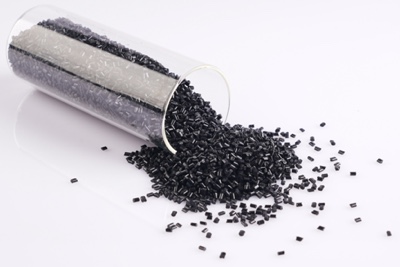
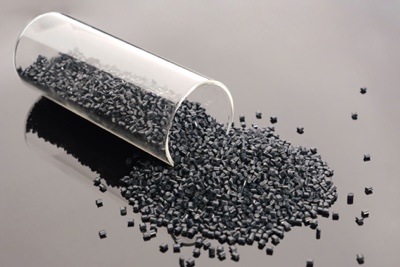
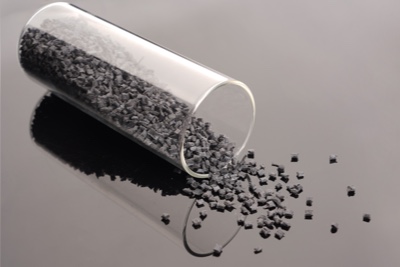
The final step is granulation, where the extruded material is cut into small, uniform pellets. These granules are the final form of the material, ready to be used in injection molding or extrusion applications. The granulation process ensures that the material is easy to handle and can be efficiently processed into finished products.
There are several key reasons manufacturers prefer Talc Filled PP Granules over other types of polypropylene or alternative filler materials:
Cost-Effectiveness: Talc is an inexpensive filler material, making Talc Filled PP a cost-effective solution for manufacturers who need to balance performance with production costs.
Enhanced Properties: The addition of talc significantly improves the rigidity, thermal stability, and impact resistance of polypropylene, making it suitable for a wider range of applications.
Ease of Processing: Talc-filled PP is easy to process using standard plastic processing methods like injection molding and extrusion, making it a versatile material choice.
Talc Filled PP Plastic Granules are an exceptionally versatile material, offering significant advantages in industries like automotive, consumer electronics, home appliances, and packaging. By incorporating talc into polypropylene, we enhance its key properties, such as rigidity, thermal stability, and impact resistance, while maintaining the inherent benefits of the base polymer. This combination makes our Talc Filled PP Granules not only cost-effective but also easy to process, providing manufacturers with durable, high-performance materials that meet diverse application needs.
At Xinyite Plastic, we specialize in providing premium Talc Filled PP Plastic Granules, tailored to your specific requirements. Our advanced production methods ensure consistent quality and performance across all products, making them an excellent choice for companies looking to improve their product efficiency. Whether you need technical support, custom solutions, or reliable supply, we are here to assist you. Contact us today to learn more about how our materials can benefit your business.
Q1: What is the main benefit of adding talc to polypropylene granules?
Adding talc to polypropylene increases the material's rigidity, thermal stability, and surface smoothness while maintaining a lightweight profile, making it ideal for demanding industrial applications.
Q2: How does talc-filled polypropylene compare to pure polypropylene?
Talc-filled polypropylene offers enhanced mechanical properties, such as increased rigidity and impact resistance, compared to pure polypropylene. It also provides better thermal stability, making it suitable for higher-temperature environments.
Q3: In which industries are Talc Filled PP Plastic Granules commonly used?
These granules are commonly used in automotive, consumer electronics, home appliances, and packaging industries due to their improved performance and cost-effectiveness.
Q4: Can Talc Filled PP Granules be used for injection molding?
Yes, Talc Filled PP Granules are well-suited for injection molding processes, offering improved flow characteristics during molding and producing strong, high-quality components.
Q5: How does the presence of talc affect the environmental impact of the plastic material?
Talc-filled PP granules can reduce material waste in production by offering enhanced strength, allowing for thinner parts to be used without compromising durability. This can lead to a more sustainable manufacturing process.