Views: 0 Author: Site Editor Publish Time: 2026-01-02 Origin: Site
In the fast-evolving small appliance market, manufacturers face a constant challenge: how to deliver reliable performance, modern aesthetics, and regulatory compliance while keeping production costs under control. From kitchen appliances and personal care devices to smart home equipment, product cycles are getting shorter and consumer expectations are rising. Material selection has therefore become a strategic decision rather than a purely technical one.
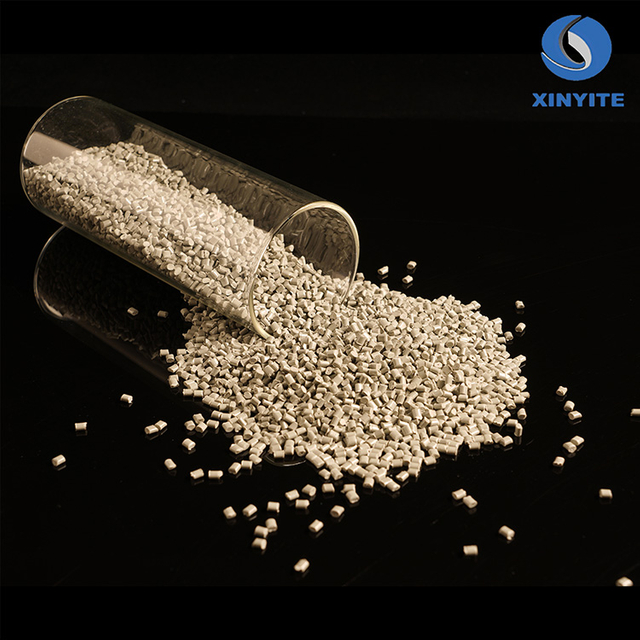
Among today’s engineering plastics, PC/ABS alloy for small appliances has proven to be one of the most effective solutions for balancing cost efficiency and high performance. By combining the strengths of polycarbonate (PC) and ABS resin, this alloy enables manufacturers to meet mechanical, thermal, and aesthetic requirements without the cost burden of more specialized materials.
This article explores why PC/ABS alloy is increasingly favored in small appliance design, how it supports current industry trends, and how manufacturers can leverage it to achieve better cost-performance optimization.
Small appliances operate in a highly competitive environment. Buyers expect products that are safe, durable, visually appealing, and affordable. At the same time, manufacturers must deal with:
Rising raw material and energy costs
Tighter safety and electrical regulations
Increasing demand for compact, lightweight designs
Pressure to shorten development and production cycles
Under these conditions, selecting a material that performs well but remains economically viable is essential. Pure polycarbonate may offer excellent heat resistance, but its higher cost can reduce margin flexibility. Standard ABS is cost-effective, yet may struggle with heat, impact, or long-term durability in certain applications.
This is where PC/ABS alloy material for small appliances creates a practical middle ground—delivering consistent performance at a controlled cost.
PC/ABS alloy is a blend that merges the toughness and heat resistance of PC with the processability and cost efficiency of ABS. Instead of relying on one material to meet all requirements, the alloy approach allows manufacturers to fine-tune properties based on real application needs.
Balanced Mechanical Strength: PC/ABS provides strong impact resistance while maintaining sufficient rigidity for structural parts.
Thermal Stability: Better heat resistance than ABS alone, suitable for components near motors, heating elements, or electronics.
Good Surface Quality: Smooth finish supports premium appearance without costly post-processing.
Stable Processing Window: Compatible with injection molding, supporting efficient mass production.
For manufacturers looking to reduce material waste and improve yield, this stability translates directly into cost savings.
While performance is critical, cost control ultimately determines competitiveness. PC/ABS alloy offers several economic benefits across the product lifecycle.
Compared with high-PC content plastics, PC/ABS alloys reduce overall resin cost while maintaining key performance attributes. This makes them ideal for:
Appliance housings
Control panels
Structural frames
Internal brackets
By selecting the right PC/ABS ratio, manufacturers can avoid over-engineering and pay only for the performance they actually need.
PC/ABS alloy flows well during molding, reducing defects such as warping, sink marks, and incomplete fills. This leads to:
Shorter cycle times
Lower scrap rates
Reduced tooling wear
Over large production volumes, these efficiencies significantly improve cost performance.
Thanks to its excellent surface finish and color consistency, PC/ABS often eliminates the need for additional coatings or decorative treatments. For small appliances where appearance influences purchasing decisions, this is a major cost advantage.
Cost savings alone are not enough. Small appliances must perform reliably throughout their service life, often under thermal, mechanical, and electrical stress.
Small appliances increasingly integrate motors, heating elements, and control boards in compact spaces. PC/ABS alloy provides better heat resistance than ABS, helping maintain dimensional stability and safety around electrical components.
This makes it suitable for applications such as:
Coffee machines and kettles
Food processors and blenders
Hair dryers and grooming devices
Smart home controllers
Consumer appliances are frequently dropped, handled roughly, or exposed to vibration. PC/ABS alloy offers improved impact strength compared to standard ABS, reducing the risk of cracking and warranty claims.
With PC/ABS alloy, designers can create thinner walls and more complex geometries without sacrificing strength. This supports the industry trend toward lighter, more compact small appliances, improving user experience and reducing shipping costs.
The small appliance industry in 2025 is shaped by several key trends, all of which influence material choice.
Safety standards for household and commercial appliances continue to tighten, particularly around heat and electrical performance. PC/ABS alloys can be formulated to meet flame-retardant requirements while maintaining processability, making them suitable for safety-critical components.
Manufacturers are under growing pressure to reduce environmental impact. PC/ABS alloys support this goal by:
Enabling longer product lifespans
Reducing material waste during processing
Supporting recyclable design strategies
Using durable materials that extend service life is increasingly seen as a practical sustainability approach in appliance manufacturing.
As more appliances incorporate sensors, displays, and connectivity modules, materials must protect sensitive electronics while maintaining aesthetic appeal. PC/ABS alloy offers the dimensional stability and surface quality required for these advanced designs.
To fully realize the benefits of PC/ABS alloy in small appliances, manufacturers should consider the following:
Not all PC/ABS alloys are the same. Selecting a grade optimized for heat resistance, impact strength, or flame retardancy ensures the best balance of cost and performance.
Uniform wall thickness, proper rib placement, and allowance for thermal expansion help reduce defects and extend tool life.
Consider the appliance’s operating environment, expected lifespan, and user behavior. PC/ABS alloy provides flexibility to tailor performance without over-specifying.
In an industry where margins are tight and expectations are high, PC/ABS alloy for small appliances offers a strategic advantage. It bridges the gap between affordability and performance, enabling manufacturers to produce safe, durable, and visually appealing products without unnecessary cost escalation.
By choosing PC/ABS alloy, appliance manufacturers can respond more effectively to market trends, reduce production risk, and improve overall product value—making it a smart, future-ready material choice.
If you’re looking to balance cost and performance in small appliance design, our team at XYT Plastic is ready to help. We offer professional guidance on PC/ABS alloy material selection, grade customization, and application support to ensure your products achieve the best possible results.
Contact us today to discuss your project requirements and discover how our materials can support your next generation of small appliances.